In honor of Halloween, here's a nod to the lovely and talented ladies who have filled my dreams and haunted my nightmares.
Can you guess them all?


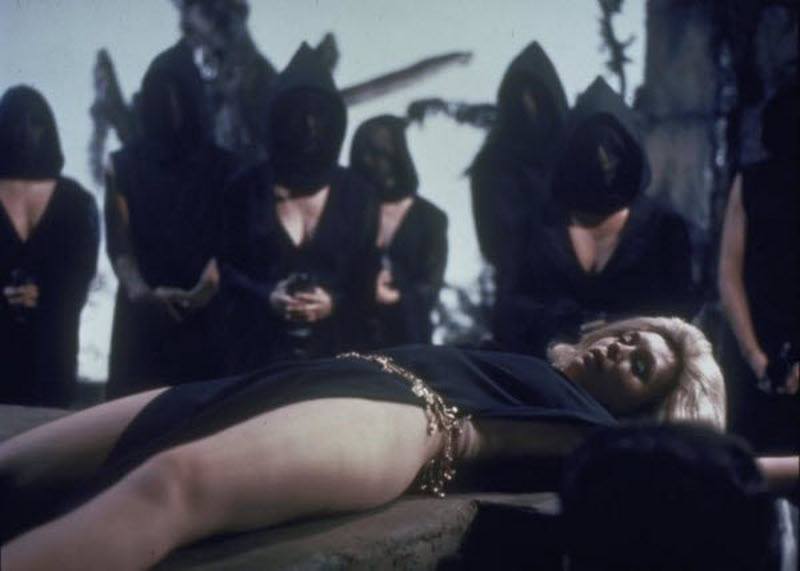


In honor of Halloween, here's a nod to the lovely and talented ladies who have filled my dreams and haunted my nightmares.
by Rebecca McClanahan
The characters in our stories, songs, poems, and essays embody our writing. They are our words made flesh. Sometimes they even speak for us, carrying much of the burden of plot, theme, mood, idea, and emotion. But they do not exist until we describe them on the page. Until we anchor them with words, they drift, bodiless and ethereal. They weigh nothing; they have no voice. Once we’ve written the first words—“Belinda Beatrice,” perhaps, or “the dark-eyed salesman in the back of the room,” or simply “the girl”—our characters begin to take form.

Soon they’ll be more than mere names. They’ll put on jeans or rubber hip boots, light thin cigarettes or thick cigars; they’ll stutter or shout, buy a townhouse on the Upper East Side or a studio in the Village; they’ll marry for life or survive a series of happy affairs; they’ll beat their children or embrace them. What they become, on the page, is up to us.
Here are 11 secrets to keep in mind as you breathe life into your characters through description.
Read the full article: https://www.writersdigest.com/write-better-fiction/11-secrets-to-writing-effective-character-description


Dime-Store Detective is a comic series for fans of hardboiled detective mysteries and supernatural stories. Detective Donald Mackinder is short on friends and time as he attempts to connect the return of a supernatural being to his family's moonshiner war of 1981.
Sign up now on Kickstarter: tinyurl.com/Dimestoredetective1-3

Oooh. There are so many good ones that I like to go back to from time to time. Let's see...
 Stories

All kidding aside, this is my second favorite King movie about a writer (behind The Shining). It's also a pretty solid movie that doesn't fall apart in the third act like a lot of films based on King's work. Mike Enslin is a writer with a pretty compelling novel behind him, but after some hinted-at family trauma/drama with his dad, he puts that world behind him and begins to write travel guides/debunking books for haunted hotels. After his daughter Katie's tragic death, he can't handle life and he disappears on the road, leaving his wife without a word.
Enter The Dolphin, a haunted hotel that may truly be haunted. (If only haunted by the presence of Samuel Jackson's overacting, but I digress.) After receiving a postcard with a photo of The Dolphin and a note that says "Don't stay in 1408," Mike's goal is set. Come hell or high water, he's going to bebunk room 1408.
But, on the way there, he has a stop for a reading and book signing, where he is met by a store employee who would rather be anywhere else but at work, and this happens:
Mike: How's it going?
Employee: Can I help you?
Mike: Yeah, I'm here for the big event.
Employee: All right.
Mike: Cool. I'm Mike Enslin.
Employee: Sorry?
Mike: Book signing.
Employee: Oh, right. Oh, that's you, yeah. I see the resemblance, yeah. That's a good picture.
Employee: Thanks, man.
Employee: All right, hold on. Um... attention, book lovers. Tonight we have noted occult writer Michael Enslin at the Author's Corner tonight. He's the writer of the best-selling ghost survival guides, um... with such titles as "10 Haunted Hotels," "10 Haunted Graveyards," "10 Haunted Lighthouses." That's tonight, 7:00 pm.
Clearly, of the three screenwriters (Matt Greenberg, Scott Alexander, and Larry Karaszewski) one of them remembers what it's like to be an author doing a signing, particularly in an out-of-the-way location. The tell-tale signs are all there: disinterested store worker, not being recognized, being treated as an afterthought, the same questions asked over and over again about your work, etc.
But the part that hits home for me here is the clearly marketing-driven titles of Mike's work: 10 Haunted Graveyards, 10 Haunted Lighthouses, 10 Haunted Hotels. They might as well say "You won't believe this place is haunted! Click here for the 10 creepiest haunts" and have an unrelated photo for the clickbait ad. It's this kind of marketing-think that (1) sells books because it understands why sheep need shepherds and (2) drives me up the wall because it dislocated the selling from the story and makes the writer barely more than a supplier of stock, no more than a sweatshop providing off-brand clothing.
After the reading, during the signing, Mike asks often, "What name?" and then signs like an automaton, further reducing the creative role to that of robot (A.I. anyway?) -- at least until one nervous female fan, Anna, puts a copy of his hardcover novel from his previous writing life on the table for him to sign.
Mike is astonished to see anyone even cares about that old thing from another life.
Mike: What rock did you find that under?
Anna: Um, eBay.
Mike: eBay, huh? How much did it go for?
Anna: Well, there weren't many bidders.
Mike: I would think not. Wow.
Anna: But it's, um... an amazing book.
Mike: Oh.
Anna: Um, so... unique and inspirational and honest.
Mike: Thanks. What's your name?
Anna: Um, Anna.
Mike: Okay, Anna.
Anna: Are you gonna write another one like this one?
Mike: Nah, it's a different guy.
I don't know about you, but I often feel that way. I feel like my writing life is a series of phases.
The literary phase right after college.
The super hero phase during Cyber Age Adventure/iHero Entertainment magazine.
The comic book years.
The New Pulp Years.
Honestly, I only feel like now, when I'm blurring the lines more and more between all those previous "lives" that I'm finally coming into my own as a writer. But there are times when I get emails. "When are you going to write another..." And, like Mike, I often want to respond, "Nah, it's a different guy."
The woman continues to ask about the old book. She's a detective, looking for clues to back up the theory she is seeking to prove.
Anna: Um... can I ask you a question?
Mike: Sure.
Anna: Um, the relationship in the book with the father and the son... it's probably too personal, but, um, it's so authentic and...
Mike: Mm-hm.
Anna: ...well-constructed, and... is it true?
There's no denying that she's found the truth, but only to a sort of cursory degree. I get asked often at conventions how much of my writing comes from real life, and I always answer, "All of it, just not how you think."
What I mean by that is that my characters have traits I've seen in people I know or encountered on a bus or at the grocery store or in traffic. But I haven't picked up a person I know, whole kit and kaboodle, and dropped them into my work. No, I've taken this bit, that bit, this motivation, this description, etc., and mixed them all up in a blender. The same goes for my plots.
So, while there may be something of my relationship with my mother in a certain work, there's also something of other people's relationships with their mothers and fathers and aunts and uncles. It's never a 1-to-1 correlation.
Eventually though, Mike arrives at the Dolphin and tries to get the key to room 1408. At that point, Mr. Olin, the hotel manager played by Samuel Jackson, appears and takes him to his office. No spoilers, but there is a wonderful bit where Olin offers Mike a cigar and Mike says, "I don't smoke." Olin motioned to a single cigarette sitting on his ear.
Mike says: "It's part habit, part superstition. It's, you know, a writer thing."
I love this bit because I know so many writers who have our habits and superstitions regarding our writing. Certain music. Certain places. Certain arrangements of the knick-knacks on our desk or the resources near us at the table. Particularly the most OCD of us. You should watch me straighten the papers and line up the pens I keep handy (and my phone too).
At this point, the ghost story really kicks in, and in the interest of avoiding spoilers, I'll skip to the end, when the horror is over (Or is it?) and Mike is putting his experience to paper for his final ghost guidebook.
Lily: I never saw him writing so fast.
Mike: It is easy, I already wrote this book before.
Isn't it the truth? I don't know about you, but before I even start to write a scene (sometimes a full story), I've already written it in my head. It's done. It's just a matter of somehow getting it out of my head through my fingers and into my laptop.
But it's not alone up there in my head. It lives with all the others that haven't been allowed to come out and hit the real world yet. Someday...

[a] inspired by the idea of renewing or continuing something (like Gaiman does with his sort of fairy tale grown-up fantasies that read like children's fantasies or the pulp revivals)
[b] a reaction against something (like the Harlem Rennaissance and feminist literature of the sixties or the Beat Poets)
[c] a little of both (the remix notion of taking something old and making it new to the point the old fans most likely won't like it)
It's a bit heavier of a topic for one of our roundtables, but I'm curious where your body of work falls.

Sean Taylor: Hands down, I love the tropes of sci-fi, horror, and superhero stories most of all. I love the way they so effortlessly settle into a sort of magical realism as people accept all the oddness that goes on around them and just move on with their lives. A guy shoots lightning from his eyes to fix a falling bridge? No problem. It's a Tuesday. A girl who holds her head at her side and talks with you about family secrets? Who cares? She seems nice enough. A friend who can slide between dimensions by tugging the strings of String Theory? Been there, done that.
HC Playa: Sticking with what I both like and write, that would be fantasy with romance. Now, I have it on good authority that I do not, in fact, write romance (per multiple romance publishers). I write fantasy/adventures that just so happen to have some kissy-face stuff in them 😂. I like the world-building of fantasy, being transported to an entirely different world, be it high fantasy or urban. I also enjoy the human aspect of romance paired with the guarantee of a happy ending. Now, there's a place in fiction for sad and tragic endings. I, personally do not wish to write that most of the time. The world is harsh enough. I prefer to offer an escape. So I like going with larger-than-life protagonists, super capable, highly intelligent heroes. After all, Sherlock Holmes, Superman, and Bilbo Baggins are memorable BECAUSE they are extraordinary. I like the white knight or occasionally they are the tarnished knight...but ultimately good and love always wins.
HC Playa: My heroes might think they are rolling in to save the heroine, but buckle up buckaroos, in my worlds, it's usually the heroines that do the real saving. There are no helpless, hapless damsels. Again, there's a place for that. Plenty of women love the damsel in distress being saved by a savvy, hot hero. One of the reasons I don't fit the romance genre is b/c my plots don't center on the absurd miscommunications and dating games that are central to a romance. If my heroine wants to know if the hero is interested she just asks...maybe it takes working up the nerve, or clever events that drop her hints (or him), but no silly games....after all, they are usually trying to save the world.

Now in newer works, I am expanding to queer relationships. That's a whole other box to unpack.
Kay Iscah: Despite the settings or fantastic magical elements people are people. So if their responses to the unreal feel realistic or natural the character tends to resonate with someone, if not everyone. Cultures and technologies change, but we still tell many of the same fairytales because they resonate with us on very fundamental levels. Escaping abuse, enduring hardships, traveling (or at least leaving home), finding or losing love, pursuing our passions, and longing for wealth (or at least financial stability) are all pretty universal.
Sean Taylor: What I hope most to move beyond in my preferred genres is the (what I call) sort of shallow storytelling that was painted in broad strokes and stereotypes, whether character or plot. I want to create worlds that smack of realism -- at least until the baby elephant grows wings and sings 12-bar blues standards. I want my stories to more accurately reflect the types of people I see on a daily basis. You can call that woke if you want to, but I call it reflecting the real.
If I'm writing in a specific time period, like my 30s private eye, Rick Ruby, then I want to go deeper than the surface mysteries and tell the kind of stories that couldn't be told back then, whether because of race, gender, or sexual orientation of the characters or the kinds of goings-on in the plots. I want to take the tease of burlesque and racial tensions that made the back cover of the book to sell it but never really showed up inside and put it inside the stories where it belongs.


by Michael de Adder

Read the full story: https://www.washingtonpost.com/opinions/2023/10/02/michael-deadder-cartoon-charles-saunders/
NOTE: Remembering Charles Saunders

If you are just starting to submit your work to literary journals, or perhaps you just want to avoid rejection, this list is for you.
All of the literary journals in this list accept between 20 and 80% of what is submitted to them, and a few have a higher acceptance rate. So the odds of your work being accepted just went up.
These are not the most prestigious journals; publication in them, in all likelihood, will not change your writing life in any way, but they are not a bad place to start if you are new to submitting your writing.
Make sure to read the guidelines before submitting to know if your work fits. Just because they are approachable, doesn’t mean that they will accept angry poetry when they only publish nature poetry. They will not.
Not all literary journals in this list are currently open to submissions, but most are. It is also important to note that this information is subject to change. Sometimes a journal that was once easy to get into no longer is, so if you are seeing this list long after it was published, please keep that in mind. This list is in no particular order.
All of the information used to ascertain if the market is approachable or not was found through research done at the websites Duotrope and The (Submission) Grinder.
Read the full article for the listing: https://authorspublish.com/24-approachable-literary-journals/

From noted author Jimmy D. Gillentine comes an action-packed paranormal urban action thriller -- A NIGHT AT DEATH’S DOOR is now available in print and digital formats from Pro Se Productions.
Janet left her simple life in Mississippi for the hustle and bustle of New York for college. At the insistence of her new roommate, Janet goes to Death’s Door, a mysterious and trendy nightclub, in reality, the hidden domain of the evil vampire Jeanova. She is planning the Rising…a ritual that will give all vampires power to resist the sun, making them the rulers of the world.
In danger of being turned into a plaything for the Vampire and her brood, Janet is saved by a small group of vampire hunters determined to stop Jeanova at all costs. Thrust into a battle for her very soul, for the planet itself, Janet and allies she barely knows must fight their way through Death’s Door to stop the Rising…or humanity will fall.
A NIGHT AT DEATH’S DOOR by Jimmy D. Gillentine. From Pro Se Productions.
With an atmospheric cover and print formatting and logo design by Antonino lo Iacono, A NIGHT AT DEATH’S DOOR is available for 7.99 via Amazon.
This exciting urban horror thriller is also available on Kindle formatted by lo Iacono and Marzia Marina for $2.99. Kindle Unlimited Members can read this exciting tale for free!
For more information on this title, interviews with the author, or digital copies for review, email editorinchief@prose-press.com.
To learn more about Pro Se Productions, go to www.prose-press.com. Like Pro Se on Facebook at Pro Se Productions.
Note: This is an update to this post. So many new movies have come out and I've caught up on a few I still had managed to miss from the "good old days" that it felt like the right time to update this list.
As a writer of horror stories and connoisseur of scary flicks, I get asked a lot what my favorite horror movies are. Well, it's not that simple with me (it never is; ask my wife and kids). There are so many and how can one possibly pick a favorite when there are favorites in so many subgenres? (It's like how my wife tells me she can have more than one best friend when "best" is a superlative, not a comparative.)
Anyway, as of this moment in time (subject to change), this is my list of favorite horror movies (and those that influenced my ideas and my writing) categorized by subgenre.
If you want to consider this your own "to watch" list, I won't stop you. It's a fantastic list (at least in my opinion) of the essential horror stories committed to film.
FYI, you will notice some crossover between subgenres, because, well, that's just the way horror works.
For me, ghost stories are my favorite genre of horror tales, and whether they're about a haunted person, house, or even plot of land, I'm all in.
1. The Orphanage
2. The Devil's Backbone
3. The Haunting (1953)
4. Thir13en Ghosts
5. The Others
6. Ju-on
7. The Ring (US version)
8. The Innocents
9. In a Dark Place
10. The Sixth Sense
11. The Shining
12. Session 9
13. The Terror
14. Kwaidan
15. The Babadook
16. Don't Be Afraid of the Dark
17. Dark Water (original)
18. Crimson Peak
19. Carved: The Slit-Mouthed Woman
20. The Changeling
I'm really burned out lately on zombies, and I'm really tired of the "zombies as the apocalypse" theme. I love, however, to see directors and screenwriters do something new and different with the living dead, which for me also includes mummies and ghouls returned from the grave.
1. Dead Girl
2. Night of the Living Dead
3. Carnival of Souls
4. The Fog (original)
5. Tombs of the Blind Dead
6. Make Out With Violence
7. 28 Days Later
8. Dawn of the Dead
9. The Re-Animator
10. Zombi 2
11. Dead Snow
12. Brain Dead
13. Dance of the Dead (2008)
14. Return of the Living Dead
15. Day of the Dead
16. Candyman
17. Hello, Mary Lou: Prom Night 2
18. The Ghost Galleon
19. Night of the Seagulls
20. Blood from the Mummy's Tomb
The scientist who wants to play god is another of my favorite genres in horror, but not just that. This type of film also includes for me those who can't accept the "wrong" parts of people and want to create a sort of perfect version, even in non-science-y ways.
1. Deadly Friend
2. Bride of Frankenstein
3. The Bride
4. Frankenstein
5. Frankenstein Created Woman
6. May
7. Lady Frankenstein
8. Splice
9. Embryo
10. Demon Seed
11. Halloween III: Season of the Witch
12. Depraved
13. The Spirit of the Beehive
14. The Curse of Frankenstein
15. Ex Machina
16. M3ghan
17. Frankenstein Meets the Wolfman
18. The Island of Dr. Moreau
19. The Golem
20. Island of Lost Souls
Vampires. The original bad boys long before they ever sparkled. Let's just get this straight. I don't mind modern romantic vamps, but I prefer even my romantic vamps to enjoy a good rip of the jugular every now and then.
1. From Dusk Till Dawn
2. Forsaken
3. Dracula (Spanish Version)
4. Let the Right One In
5. Night Watch
6. Chronos
7. Shadow of the Vampire
8. Nosferatu
9. Prey
10. Salem's Lot (original TV miniseries)
11. Near Dark
12. Dracula (Universal)
13. Lost Boys
14. Fright Night
15. 30 Days of Night
16. Strigoi
17. The Night Stalker
18. Embrace of the Vampire
19. Taste the Blood of Dracula
20. The Brides of Dracula
Lycanthropes may be the A-listers in the shapeshifter crowd, but the world of therianthrope isn't limited to just wolves. I think for writers, the shapeshifters offer one of the best shorthand for looking into what makes humanity actually human, whether, wolf or cat or snake or lizard.
1. Cat People (original)
2. Howling
3. Howling V: The Rebirth
4. An American Werewolf in London
5. The Wolfman (original)
6. The Reptile
7. The Gorgon
8. Cursed
9. Cat People (remake)
10. Dog Soldiers
11. Silver Bullet
12. Blood and Chocolate
13. Underworld
14. The Wolfman (remake)
15. The Curse of the Werewolf
16. Frankenstein Meets the Wolfman
17. Ginger Snaps
18. Werewolves Within
19. Hisss
20. Night of the Cobra Woman
There are as many cultures of demons in the world as they're are countries and cultures of people. Although movies tend to default to the Western devil and demons, I wanted to include a few other brands of the demonic here as well.
1. Wishmaster
2. Sinister
3. The Beyond
4. The Exorcist
5. Lisa and the Devil
6. Rosemary's Baby
7. Drag Me To Hell
8. Jennifer's Body
9. The Evil Dead
10. Hellraiser
11. Demons
12. Night of the Demons
13. The Garden (2006)
14. Insidious
15. The Exorcism of Emily Rose
16. The Last Exorcism
17. Nightmare on Elm Street
18. Antrum
19. Prince of Darkness
20. Hereditary
Yeah, I know there's a huge difference between horror movie witches, Wiccans, and nature worshippers, but for this list it if fits in any of those it works.
1. Suspiria
2. Black Sunday
3. City of the Dead (Horror Hotel)
4. The Dunwich Horror
5. The Wicker Man
6. The VVitch
7. The Babysitter
8. Curse of the Demon
9. Midsommar
10. House of the Devil
11. Witching and Bitching
12. Season of the Witch
13. The Virgin Witch
14. The Love Witch
15. Inferno
16. Mother of Tears
17. Rosemary's Baby
18. The Witch
19. The Woods
20. Viy
21. The Craft
22. Blood on Satan's Claw
23. Witchouse
24. The Autopsy of John Doe
25. The Lords of Salem
It's the genre that will never take a break, much less die. Knives, axes, machetes, pointy sticks, bows and arrows, you name it, these folks use any tools at their disposal to dispose of their victims for revenge or no motive at all. And we still love to watch them.
1. Twitch of the Death Nerve (Bay of Blood)
2. Peeping Tom
3. The Burning
4. Halloween
5. Sleepaway Camp
6. Friday the 13th Part II
7. Dementia 13
8. Hatchet
9. Audition
10. The Texas Chainsaw Massacre
11. Stage Fright (2014)
12. Last House on the Left (original)
13. I Spit on Your Grave (original)
14. Theatre of Blood
15. The Visit
16. All the Boys Love Mandy Lane
17. Martyrs
18. Final Girls
19. The Banana Splits Movie
20. Happy Birthday to Me
For my list, I'm separating supernatural and mutated creatures from the "Nature Gone Wild" critters. These monsters should be way about sharks and bears on the scary-meter. And they are. The thing I love about this genre is that often the critters are more sympathetic than their prey.
1. Pumpkinhead
2. Gojira
3. She Creature
4. Pan's Labyrinth
5. The Creature from the Black Lagoon
6. Silent Hill
7. Dagon
8. Feast
9. Troll Hunter
10. Humanoids from the Deep
11. Tremors
12. Nightbreed
13. The Mist
14. Digging Up the Marrow
15. The Host
16. The Bay
17. Jeepers Creepers
18. Tremors III
19. The Golem
20. Cellar Dweller
You'll never go back into the water. You'll never venture alone in the woods. You won't piss off earthworms or birds anymore either.
1. Jaws
2. Cujo
3. The Birds
4. Eight-Legged Freaks
5. Piranha (original)
6. Chaws
7. Deep Blue Sea
8. Orca
9. Squirm
10. Willard
11. Empire of the Ants
12. Marabunta
13. Alligator
14. Grizzly
15. Razorback
16. Food of the Gods
17. Anaconda
18. Snakes on a Plane
19. Cocaine Bear
20. Zoombies/Zombeavers
It all began with the two kings, Kong and Godzilla. But American sci-fi quickly picked up on the theme and gave us lots of giant monsters thanks to the dangers of atomic bombs and chemicals polluting our waters.
1. King Kong (1933)
2. Gojira
3. Destroy All Monsters
4. The Host
5. Godzilla (2014)
6. Mothra
7. King Kong (1976)
8. Kong of Skull Island
9. Rodan
10. Godzilla King of the Monsters
11. King Kong (2005)
12. Godzilla (1996)
13. Godzilla 2000
14. The Beginning of the End
15. The Beast from 20,000 Fathoms
16. Cloverfield
17. Godzilla vs. Kong
18. Q the Winged Serpent
19. Them!
20. Pacific Rim
At some point, sci-fi aliens shifted from adventure to horror, and I love it. Who says first contact should be with something we can categorize and tame? Certainly not these otherworldly killer critters?
1. Alien
2. Slither
3. A Quiet Place
4. John Carpenter's The Thing
5. Aliens
6. The Blob (remake)
7. Species
8. Virus
9. Night of the Creeps
10. Bad Taste
11. Invasion of the Body Snatchers (remake)
12. Phantasm
13. Pitch Black
14. Day of the Triffids
15. Planet of the Vampires
16. Galaxy of Terror
17. Dead Space: Downfall
18. Under the Skin
19. Killer Klowns from Outer Space
20. Ghosts of Mars
There's often a lot of crossover between psychos and slashers, but a true psycho is out of his/her/their mind. They often have little to no rationale for their killings, and if they do, it's because of a break from sanity. They take the murderous urge above and beyond the average.
1. Nightmare in the Wax Museum
2. House of 1000 Corpses
3. Psycho
4. Misery
5. The People Under the Stairs
6. Pieces
7. The Devil's Rejects
8. The Boy
9. 2000 Maniacs
10. Eaten Alive
11. Saw
12. Don't Breathe
13. The Collector
14. Dressed to Kill (and yes, there are problematic issues that don't translate well to today)
15. Stuff Stephanie in the Incinerator
16. Christine
17. 31
18. The Devil's Rejects
19. Fade to Black
20. The Pit and the Pendulum
Creepy kids have to be the absolutely creepiest movie "monsters." But it's so easy to overdo them and turn a flick into a farce. There's a very fine line that must be walked for the story to avoid the "cornfield" motif from Twilight Zone.
1. Orphan
2. The Omen
3. Children of the Corn
4. Cooties
5. The Children (1980)
6. Hard Candy
7. Village of the Damned
8. The Bad Seed (1956)
9. You'd Better Watch Out
10. Wicked Little Things
11. Who Can Kill a Child
12. Alice, Sweet Alice
13. The Brood
14. Goodnight Mommy
15. Them (2006)
16. The Children (2006)
17. Kill, Baby, Kill
18. Case 39
19. Spider Baby
20. Pet Semetary
I love just about any horror flick that is attached to a holiday. They can be so much fun, and typically they don't take themselves too seriously. Some though can be super creepy and terrifying, in spite of the holiday trappings (or often because of them).
1. Black Christmas (original)
2. Halloween
3. Rare Exports
4. Santa's Slay
5. Saint
6. Gremlins
7. April Fool's Day
8. My Bloody Valentine (original)
9. Anna and the Apocalypse
10. Trick or Treat
11. Satan's Little Helper
12. A Christmas Horror Story
13. Wind Chill
14. Dead End
15. Santa Jaws
16. Letters to Satan Claus
17. Holidays
18. Krampus
19. Terror Train
20. Violent Night
Okay. A lot of anthologies kind of suck. Maybe one good segment in a bucket filled with crap. But a few, a select few, get it right. Maybe by theming with a good theme. Maybe by lining up great writers and/or directors. Or just maybe by getting lucky.
1. Trilogy of Terror
2. Trilogy of Terror II
3. Tales from the Crypt
4. From a Whisper to a Scream
5. V/H/S
6. Creepshow
7. The House That Dripped Blood
8. Asylum
9. Southbound
10. The Field Guide to Evil
11. Trick 'r Treat
12. Creepshow 2
13. A Christmas Horror Story
14. V/H/S II
15. Dr. Terror's House of Horrors
16. Tales from the Hood
17. XX
18. The Uncanny
19. Cat's Eye
20. Ghost Stories
There's a big difference (at least to me) between a comedy movie that adds tropes from horror and a horror flick that paces and dresses like a comedy during its runtime. I tend to like them both. But the best is the kind that integrates both genres almost seamlessly.
1. Bubba Ho-Tep
2. Shaun of the Dead
3. House (with William Katt)
4. Monster Squad
5. Black Sheep
6. Fido
7. The Cottage
8. Trailer Park of Terror
9. Doghouse
10. Tucker and Dale vs. Evil
11. Elvira Mistress of the Dark
12. Buffy the Vampire Slayer (movie, not series)
13. Abbott and Costello Meet Frankenstein
14. Grabbers
15. Zombieland
16. Evil Dead II
17. Abbot and Costello Meet the Mummy
18. Psycho Goreman
19. Young Frankenstein
20. Zombie Strippers
When Noir abandoned black and white, it found the world of four-color gore and violence. This is one of my favorite genres to watch. I love the Everyman aspect, caught up in a dangerous crime spree or mystery. And I love the way this type of film skirts the edges of horror tales and mystery stories.
1. Don't Torture a Duckling
2. Deep Red
3. Blood and Black Lace
4. Hatchet for the Honeymoon
5. Bird with the Crystal Plumage
6. Tenebre
7. The Case of the Bloody Iris
8. Cat O' Nine Tails
9. Kill, Baby, Kill
10. Four Flies on Velvet
11. Night of the Glass Dolls
12. The Red Queen Kills Seven Times
13. Your Vice Is a Locked Room and Only I Have the Key
14. Black Belly of the Tarantula
15. Unsane
16. A Blade in the Dark
17. Whatever Happened to Solange?
18. Don't Look Now
19. The Strange Vice of Mrs. Wardh
20. The Perfume of the Woman in Black
21. Baba Yaga
22. The Girl Who Knew Too Much
23. Lizard in a Woman's Skin
24. The Iguana with the Tongue of Fire
25. Stage Fright
This one can be a tough genre to watch. It tends to revel in its super-gross-out ideas and images. It can be sickening down to its core concept (I'm looking at you Centipede). But when maintaining a fantastic story to accompany that imagery, they can be the most memorable stories around.
1. Videodrome
2. Blue My Mind
3. Dr. Jeckyll and Sister Hyde
4. Altered States
5. Shivers
6. The Human Centipede II
7. The Fly
8. Teeth
9. Spring
10. Thale
11. Tetsuo the Iron Man
12. Society
13. The Fly (Jeff Goldblum)
14. Sssssss
15. Splinter
16. Dead Ringers
17. American Mary
18. Eraserhead
19. The Skin I Live In
20. Tusk
Voodoo is a mixed bag in horror. Some films treat it as a bogeyman and make stuff up left and right to give it more horror gravitas while some evil cast it as the "white man's fears of others" -- some select few at least try to treat it fairly as a religion. But whatever the bag it's put in, it's still the home of the original zombies.
1. White Zombie
2. The Serpent and the Rainbow
3. Scream Blacula Scream
4. Venom
5. Eve's Bayou
6. Sugar Hill
7. The Skeleton Key
8. Ritual
9. Jessabelle
10. I Walked with a Zombie
11. The Plague of the Zombies
12. Black Mamba
13. The Curse of the Doll People
14. I Eat Your Skin
15. Ouanga
Even as a kid, I loved being scared by movies. Without these horror-themed entry-level flicks, where would kids like me have ended up? Some were designed to be horror-lite, but some just took elements of horror and wove them in to build in the creepy factor. Either way, they were my gateway drug as a kid.
1. Coraline
2. Corpse Bride
3. Monster Squad
4. Goosebumps (the movie)
5. Scary Stories to Tell in the Dark
6. The Gate
7. Willy Wonka
8. Monster House
9. The Watcher in the Woods
10. ParaNorman
11. Hocus Pocus
12. Little Monsters
13. Gremlins
14. The Lady in White
15. The Witches
As a writer of superhero fiction, I love it when horror and superpowers mix. Call me a cynic, but I think if we have powers like that in the real world, they would more often lend themselves to moments of real horror than to moments of Boy Scouts saving folks from falling buildings.
1. Phenomena
2. Carrie
3. The Fury
4. Firestarter
5. Brightburn
6. The Crow
7. New Mutants
8. Split
9. Scanners
10. Nightmare on Elm Street: The Dream Warriors
11. Akira
12. Dead Zone
13. Chronicle
14. Blade
15. Tourist Trap
On the creepy scale, does anything rate higher than creepy dolls? I mean, really? (Okay, maybe clowns, but even that would be too close to call without a photo finish.) What is it about things that are almost lifelike that scare us so? Especially things that are inanimate. It there something in them that reflects something we don't want to face back at us?
1. DollsI'll admit it. I love shark movies, both the genuinely awesome, scary ones that make me look twice at the ocean before entering the water at the beach AND the ones that are so stupid, so ridiculous that I simply laugh all the way through at the zany situations they create on celluloid. In fact, sometimes I prefer the really goofy ones, and the dumber the better.
1. Sharktopus
2. Sharknado
3. Santa Jaws
4. Sand Sharks
5. Ice Sharks
6. Ghost Shark
7. Two-Headed Shark Attack
8. Empire of the Sharks
9. Sharknado III
10. Planet of the Sharks
11. Trailer Park Shark
12. Jurassic Shark
13. Ouija Shark
14. Toxic Shark
15. Malibu Shark Attack
16. Three-Headed Shark Attack
17. Sky Sharks
18. Bad CGI Sharks
19. Shark Night
20. Shark Week
Not a fan of this subgenre, but the first Saw and the first Hostel, like the original found footage cannibal films, were groundbreaking horror flicks. Seems like the films they inspired were just insipid and uninspired derivatives.
1. Saw
2. Hostel
3. The Wizard of Gore (original)
4. Martyrs
5. Cannibal Holocaust
This last list is for my absolute favorite type of horror flicks, the kinds that don't fit neatly, or often at all, into easily definable categories. This is the place where the truly gifted or the truly insane come out to play. It's the kitchen where writers and directors operate with a blender and a spray nozzle more than with a paintbrush or a list of classic techniques and storylines. And it's where the best of the best in horror can usually be found (at least in my opinion).
1. House (Hausu)
2. Usumaki
3. Lake Mungo
4. Rubber
5. Dave Made a Maze
6. The Lift
7. In the Mouth of Madness
8. Lord of Illusions
9. From Beyond
10. Chopping Mall
11. Cabin in the Woods
12. The Woman
13. Jacob's Ladder
14. Freaks
15. Donny Darko
16. Us
17. Waxworks
18. The Deaths of Ian Stone
19. Irreversible
20. It Follows
21. Frontier(s)
22. The Broken
23. The Baby
24. Scare Me
25. Santa Sangre


The movie takes an obvious, but tongue-in-cheek poke at Stephen King and the way his followers hang on to his every new title, losing their cool like parents trying to find the last Tickle Me Elmo in a store during Christmas 1996. Sadly, we've seen this kind of thing get worse with the anonymity of Internet forums and the ease of becoming a troll and all-around asshole online.
We've also seen popular writers brought down by their own words and attitudes, even the more popular. Look no further than J.K. Rowling and her fall from grace because of her transphobic comments.
And we've seen market ploys that try to blur fiction and reality. The Blair Witch, anyone?
But, true or not, that's not what we're here for, is it? We want to see what this awesome, spooky movie has to say about writing and writers.
All writing becomes real -- at least to some degree.
Now, don't get me wrong. I doubt any of us are going to conjure up a town like Hobb's End simply by writing about it, but the people and places we create can and do become a magical kind of real in the minds of readers (and all that without needing a movie made from the book). Linda Styles, editor for the missing writer, Sutter Cane, tells John Trent, the investigator hired to find him:
For about a year before he disappeared... his work became erratic, bent, more bizarre than usual. He became convinced his writing was real, notfiction.
Most of us as writers don't have this confusion, but fiction has a way of affecting readers, particularly the most arduous of fans. Online trolls send hate messages to actors because a character they play may be evil. In the most extreme cases, the worlds of a book series can even become real in the sense that it is recreated as a theme park. (I'm looking at you, Harry Potter.)
Still, even without a real-world blending of fiction and real, at least in reader's minds, the words and the worlds they form do indeed become something a lot more substantial than mere fiction.
This is a theme portrayed in plenty of movies and books, my favorite of which remains Cool World (1992). The very notion that a writer could enter and explore the world they created is one that most writers I know would give almost anything to experience. But, in stories where this happens, it almost always goes wrong. These become nightmares even though they may begin as fantasies.
I know that personally, I would never want to live in the same world as my characters, not after the kind of shenanigans I've put them through. They'd gang up on me and leave me bleeding out in a dark alley, as the cliche goes.
While trapped in the town created by Sutter Cane, Trent and (and more so) Styles find it easy to navigate Hobb's End. Say's Styles:
Styles, how'd you know about this place? l thought you'd never been here before. l haven't. l've read about it. So have you.
That's a good lesson for me as a writer to learn. Are my settings -- at least if they're the ones that are supposed to be a character in the book as much as the people are -- so real that my readers could navigate them if they were real? Have I put that kind of care into them, or are they more a list of generic names that provide the mere outline of a town or city or apartment complex or suburb?
Sutter Cane provides a nice rationale for why we write as well, as he tells Styles:
For years, l thought l was making all this up. But they were telling me what to write... giving me the power to make it all real. And now it is.
It's the voices that guide us. No doubt we've all seen the memes and had these discussions on Twitter, Facebook, and Reddit about how writers don't write because we want to, but instead, we write because we have to. I used to think it was BS, that (like the stereotypical addict) I could stop whenever I wanted. But I know that's not the case. I may not write all the time. I may not write to a schedule. But I can't not write. No matter how often I push it away, eventually, it swallows me up again, whole, and won't spit me back out until words touch paper (or screen). "They" are telling me what to write, and "they" will continue to do so.
The last thing I want to say about this flick is the part I (hopefully, at least I try to) identify with most. It's the notion of elevating the expectations of genre writing. At the beginning of his journey, after easily dismissing Cane's horror books as "that horror crap," Trent actually buys several books and reads them to get a better understanding of the missing author he is being paid to find. His reaction?
l picked up some of these Sutter Cane books. l've been reading them. Well, it -- Pulp horror novels. They're all pretty familiar. They all seem to have the same plot. Slimy things in the dark, people go mad... they turn into monsters. The funny thing is that they're kind of better written... than you'd expect. They sort of get to you in a way. l don't know if it's his style of writing... or his use of description or whatever, but --
I love this. It's what I hope people feel when they read my work. Oh, these little pulp adventures or horror short stories or superhero romps, they're pretty similar, but they're kind of different too, not what I expected. If only... (Well, time will tell, I suppose.)
I think I picked up this idea from reading my favorite authors. C.S. Lewis, Ray Bradbury, and Kurt Vonnegut elevated sci-fi to art. Neil Gaiman took fantasy and turned it into a sort of mind's-eye Impressionism. Shirley Jackson and Algernon Blackwood wrote ghost stories that were so much more than "mere" ghost stories.
I want to be that kind of writer. I love genre work, but I also want to love genre work so much that I expect to help it keep growing and never stagnate.


Brian K Morris: As an occasional dabbler in the genre... Mary Shelley, Stephen King, Robert Bloch, Bram Stoker, Dean R. Kootnz.
John L. Taylor: Weirdly, it was nonfiction paranormal writers like Daniel Cohen and Ivan T. Sanderson that first got me writing horror. I go for a more docu-fiction approach. Other Influences were Dudley Bromley, Frank Peretti, Christopher Pike, R.L. Stine, H.P. Lovecraft, and Clark Ashton-Smith.
Sean Taylor: My horror writer influences are more classic than most, probably. I find that I'm far more inspired and affected by the work of folks like Shirley Jackson, Algernon Blackwood, M.R. James, and F. Marion Crawford. These writers really had a knack for mood and setting, and sadly, that's missing from a lot of modern horror in exchange for a more "go for the throat" sort of story. That said, I also love the work of Ray Bradbury when he turned to horror, such as his novel Something Wicked This Way Comes and the story "The Veldt." And while King is obviously an influence, I think I identify more with his son Joe Hill in terms of tone and mood for his horror stories. Now, after saying that, I'll concede that King is a master of the horror short story.
Bobby Sisemore: H. P. Lovecraft because what he did was unlike almost anything that came before him, Village of the Damned because it was so eerie, Lovecraftian obviously.
Ef Deal: Not so much an author as an anthologist: Alfred Hitchcock books in our library had such wonderfully wry tales, and I like wry. I don't care for madness or body horror, but I like a cozy ghost story and philosophical vampire and werewolf tales.
Lucy Blue: So much of my style and habits of story construction can be traced directly back to Stephen King and Anne Rice. Which feels like a contradiction. King is so much about the intrusion of supernatural evil into the mundane--his brand of scary works so well on so many different readers because he establishes such a real, recognizable, ordinary world full of such ordinary, relatable characters for the scary to happen in and to. Even his monsters are petty and ordinary in their motivations and methods--they aren't romantic; they're hungry. Meanwhile, in Rice's worlds, even the cashier at the corner market has a supernatural glow and a magical backstory; she delighted in making her monsters as romantic as possible. Growing up goth, I adored both of them, and I think ultimately my own horror writing splits the difference.
Anthony Taylor: Roald Dahl, Rod Serling, Lovecraft, Charlie Grant.
Stuart Hopen: I came to horror at an early age, reading Dracula for the first time in 2nd grade and Frankenstein a year later. The two books were powerful influences, leading in opposite directions. Dracula, at its unstaked heart is a heroic romance, a conflict of unambiguous good against absolute evil. Frankenstein is a tragedy, where the lines between good and evil blur. Frankenstein has deep roots in poetry and philosophy. Dracula has deep roots in theater, and the very model for title character was the greatest stage actor of his time. Dracula is fantasy. Frankenstein the beginning of science fiction.
Horror in comic books were a major influence on me as well. I was reading Marvel before they did superheroes. When Marvel comics set out to create a pantheon rival D.C.’s gods and legends, they mantled the universe in horrors, not absurdities. The Fantastic Four, the first Marvel demigods, had The Thing, a monster in their midst, and they fought other monsters—The Mole Man with his legions of underground behemoths, the Skulls, grotesque shapeshifters from outer space, the Submariner, the brutal psychopath from beneath the sea, who used to chuckle to himself when Nazis drowned or burned alive on their ships after being attacked. I bought Fantastic Four #1 off the stands, and it scared the crap out of me. The next Marvel entry was Ant-Man, who literally began in a horror comic patterned after the Incredible Shrinking Man, only to later don a costume and cybernetic helmet. And then came the Hulk, the cross between Mr. Hyde and Frankenstein. And the theology there was obvious—that beneath the horror and social dysfunctions of this universe, there is divinity, truth, and moral order.
John Morgan Neal: Richard Matheson. Nigel Kneale. Edgar Alan Poe. Shirley Jackson. Stephen King.
Jen Hart: I've always been drawn to the darker side of things so for authors: Stephen King, Anne Rice, Clive Barker, and way too many more since I always had a book in my hand as a teenager.
Chris Jowers: King. Shelley. Stevenson. Stoker.
Brian K Morris: Psycho, the Universal Studios classics, the Hammer films, Kolchak: the Night Stalker, selected episodes of Doctor Who (LIke "Blink"), plus all those awful 50s movies I used to watch on late night TV.
Lucy Blue: With movies, I am very much more about ghost stories and gothic stories than I am monster flicks or slasher flicks or body horror. The first horror thing I ever remember seeing was a TV movie called Something Evil about a demonically possessed kid -- the kid was played by Johnny Whitaker, Jody from one of my favorite shows, Family Affair. I was deeply, deeply traumatized. And while I loved reading scary stuff, I was the wimpy kid who hid her eyes during scary previews until I was about 12 -- I had to be talked into going to see Star Wars the first time because the preview had "monsters" in it. Then I hit puberty right around the same time the Frank Langella version of Dracula hit pay cable, and I was lost to gothic horror forever. 😉

Danielle Procter Piper: My horror novel, Spiritual Concerns, is influenced by 1980s pop culture horror films, except I wanted to add a twist. It seems like they all had a gratuitous sex and/or nudity scene, and that's where I chose to put my most controversial scene.
John Morgan Neal: The Univeral Horror films. The Hammer Films. The AIP films. Dan Curtis films. John Carpenter films.
Susan H. Roddey: I was never a particularly normal child (goes without saying since HELLO, WRITER!), and I was terrified of everything. My earliest memory of experiencing "horror" was my brother and his friend watching Poltergeist 3. The scene where they're walking down the hall and Kane is at each of the doors -- that visual and the associated terror stayed with me well into adulthood. I still don't particularly like mirrors because of it. It also started a lifelong obsession with horror. There's a place in my heart for the 80s slasher flicks, but my favorites are the more psychological movies -- the ones that don't rely so heavily on jumpscares and gore, but on the exploration of personal fear. That's why I loved Insidious so much (the final scene aside because it was dumb and didn't need to start a franchise, but that's another discussion). Blood and guts don't scare me, but watching true terror manifest before my eyes is fascinating. It's probably the same reason I love true crime and weird documentaries so much.
Sean Taylor: If I could ever capture in words the amazing set and tone that is the original movie version of The Haunting, I'd consider my life purpose achieved. I also learn a lot from when movies take left turns with their genres, like the sexual coming-of-age tale that is Dead Girl or Make Out With Violence, or the weird twists of many of Joe Landsdale's script work, my favorite being Incident On and Off a Mountain Road.
Anthony Taylor: The Sting, The Haunting, Rosemary's Baby, The Outer Limits, The Changeling, The Shining.
John L. Taylor: Films that developed my style are Alien, Jurassic Park, Seven, Cloverfield, Raiders of the Lost Ark, The Fly (1986), In the Mouth of Madness, and the Alien Autopsy video from 1995. I should add that the X-Files helped me learn pacing while the others taught me a love of surreal and body horror. The opening to Jurassic Park was still the most scared by a movie I'd ever been (I was 9 when I saw that, and it still stays with me).
Stuart Hopen: I tend to prefer horror works that cross the boundaries of other literature, that is comic in both senses of the word as well as terrifying, like the Bob Hope classic film The Ghost Breakers, or The Wizard of Oz, which is as terrifying as it is brilliant social satire.
Ef Deal: I write ghost stories, human monsters, and of course my paranormal steampunk that features a lycanthrope, but she's not the horror. My influences aren't really tangible, but I preferred The Twilight Zone to The Outer Limits. That probably tells you everything.
Stuart Hopen: My own writing includes illustrated novels: an epic World War I aviation adventure styled in the form of a depression pulp magazine, more Robert E. Howard style horror/adventure than the Lovecraft model that it draws upon; and then an imagined lost silent horror film, interspersed with comic book pages and recreated silent film stills, drawing upon horror classics of the silent film era, like Phantom of the Opera, West of Zanzibar, and Where East is East.
Anthony Taylor: Metaphysical, ironic, internal.John Morgan Neal: Monsters. Ghosts/Haunts. Psychological. Metaphysical. Sci-Fi horror.

Brian K Morris: I find I prefer ghost stories and occasional vampire stuff. I'm more into mood than gore.
Danielle Procter Piper: I love writing stories in the most realistic way I can, so I typically tone down the supernatural elements. My background in biology helps me create very believable cryptids, and my interest in medicine allows me to create plausible explanations for human-type monsters. I do like incorporating parapsychology into stories, though... so ghosts are frequent antagonists.
Chris Jowers: I honestly miss monsters. Zombies, vampires, and zombies have become so commonplace that monsters are not getting their due.
Lucy Blue: I try to make my worlds as real as possible and my human characters as recognizable as possible, but my monsters are pretty darned romantic--not in a sparkly vampires way but in a supernatural evil/dark magic way. In The Devil Makes Three, that dichotomy between the evil of plain old horrible humans versus the evil of a supernatural entity is at the very center of the book.
Jen Hart: I'm a big fan of writing supernatural, ghosts, hauntings, vampires, grim reapers, demons.
Susan H. Roddey: I do lean more toward psychological and cerebral. I like the anticipation leading up to the "Big Reveal." I like exploring the edges of sanity and questioning the parts that don't always seem to fit together. I also like blending those elements with speculative styles to create something different. Sometimes a little bit of gore is necessary, but, for me, it doesn't have to be a driving force.
John L. Taylor: Lovecraftian and body horror. I find that Lovecraftian horror, told through a first-person docu-fiction lens is a very effective lens to convey horror through. Body horror connects with me on a deep, personal level. My Mom and Grandmother both had multiple bouts with cancer in their lives, and I nearly died of an asthma attack in 1991. I spent a lot of my childhood around hospitals, so the horror of the human body being grotesquely warped was instilled in me early on. Drawing on that deep fear. I find, lends to the verisimilitude of the horror. One of my personal favorite horror works of my own was a post I did on Reddit's Two Sentence Horror: I was relieved when the Doctor said the mass in my brain wasn't cancer. Until he let me hear its heartbeat." That gut reaction to something relatable is the real key to effective horror in my book.

ORDER YOUR COPY NOW! The premiere issue of Scott McCullar's self-published independent comic book series THRILL SEEKER COMICS ANTHOLOGY #1 is available to back on KICKSTARTER. Please take a look and purchase your copy. Ships in November.
This is the first issue of a planned ongoing series to be published twice a year. THRILL SEEKER COMICS™ was created by writer/artist Scott McCullar and first released just over twenty years ago in the acclaimed indy comic series SHOOTING STAR COMICS ANTHOLOGY™ as one of the regular features in every issue. Now rebooted, THRILL SEEKER COMICS™ returns in this relaunch with all-new stories alongside reprints of the original tales that have been restored with newly remastered artwork in full color.
Featuring the Return of YELLOW JACKET: MAN OF MYSTERY™, THE GOLDEN AGE EMERALD MANTIS™, THE SACRED SCARAB™, and introducing the Dame Detective MS. TITTENHURST: FINDER OF LOST THINGS™.
CLICK HERE TO BACK THE CAMPAIGN AND ORDER.


