Saturday, June 17, 2023

[Link] AMAZON IS BEING FLOODED WITH BOOKS ENTIRELY WRITTEN BY AI

IT'S THE TIP OF THE AICEBERG.

It's a growing problem, making it more difficult to distinguish real authors from AI-generated bylines of non-existent writers.

One publisher identified by the WaPo lists dozens of books on Amazon on surprisingly niche topics, with suspicious five-star reviews propping up the operation.

And AI-generated books on Amazon are only the tip of the iceberg, with other AI content flooding the rest of the internet with dubiously sourced material as well, which could easily trigger a pandemic of misinformation.

Read the full article: https://futurism.com/the-byte/amazon-flooded-books-written-by-ai

Friday, June 16, 2023

PRO SE PRODUCTIONS 2ND BIANNUAL WRITING RETREAT AT CASTLE FARMS! SEPTEMBER 15-17, 2023!

Pro Se Productions will be hosting a writers' retreat, focused on relaxation, active writing, and a little learning along the way. The focus of this retreat's loose classes will be SHORT STORY MECHANICS, focusing on genre/pulp but applicable to short stories in general. The retreat will be hosted at Castle Farms in Kibler, AR. Cost is 75.00 per person up to 15 people for the 2 night stay/3 day event. Breakfast and lunch and either bed or camping area is included in the charge,as well as any sessions or classes held.  

Please contact editorinchief@prose-press.com! to register for the event or ask any questions! The first writing retreat was a fantastic experience! Writers from Indiana and Texas as well as Arkansas attended!

For more information, visit: https://www.facebook.com/SRCastleFarms

Saturday, June 10, 2023

[Link] The Most Instagrammable Bookshops in the West

A good bookshop stokes the imagination in more ways than one. Add these literary gems to your list of places to stalk.

Read the full article: https://www.sunset.com/travel/bookshops

Friday, June 9, 2023

Bobby Nash announces a new story in Dark Sister magazine!


I’m thrilled to have a story in the latest issue of Dark Sister magazine from Amazing Things Press. Also included in this issue are stories by David Noe, Marvin Mann, Robert J. Sodaro, Auctor Trevel, Ronald C. Thomas Jr., Jim Ludwig, Mark Holmes, and more. Art by Jeff Austin, Dan Taylor, and more. 269 pages for only $9.99. Get yours today!

Dark Sister #11 is now available in paperback at https://www.amazon.com/gp/product/B0C5P58896

About Dark Sister #11 - Little Dark Things:

From the tepid crypts of the Dark Sister's lair creeps a bevy of creators to bring you short stories and poems of the decidedly macabre and suspenseful side. From horror to adventure to humor to science fiction and fantasy and more, these tales will delight and disturb you. Some stories feature illustrations by some of the most talented (and sick) artists around. This is a Mature Readers title, so beware that you are mature enough to indulge.

My story in Dark Sister #11 is called “Driven By…”

Tuesday, June 6, 2023

I Made ChaptGPT Write This Article (Part 1)

AI (or straight-up theft, as some call it and perhaps rightly so in many cases) is a huge topic for creators of all types currently, from artists to writers to ideation generators. So, rather than just making assumptions, I figured I'd actually look at (what the programmers call) the tool and see what it can do and what it can't. This is that experiment. 

The Article


Prompt: Writer a tutorial for authors on how to use AI for creating elements to add to their fictional stories. 

Title: Harnessing the Power of AI:
A Guide for Authors to Enhance Fictional Stories

Introduction:

In recent years, artificial intelligence (AI) has become a powerful tool for various creative endeavors. Authors can leverage AI to enhance their fictional stories by generating elements such as characters, settings, plot ideas, and even dialogue. This tutorial aims to provide authors with a step-by-step guide on how to effectively use AI in their storytelling process.

Step 1: Define Your Story's Parameters

Before diving into the AI-assisted creation process, clearly define the parameters of your story. Determine the genre, setting, time period, and the general themes you want to explore. This will help guide the AI models and ensure that the generated elements align with your creative vision.

Step 2: Gather AI Tools and Platforms

Research and identify AI tools and platforms that cater to creative writing. There are various options available, such as OpenAI's GPT-3, which can generate text based on prompts, or other AI-driven platforms like ChatGPT, AI Dungeon, or even specialized writing software like Novelize. Explore different options to find the one that suits your needs best.

Step 3: Generating Characters and Settings

To create unique and compelling characters, provide the AI model with basic information about their background, appearance, personality traits, and goals. Experiment with different prompts, variations, and details until you find a character that resonates with your story. AI can also assist in generating imaginative settings by providing vivid descriptions or even suggesting unusual combinations.

Step 4: Developing Plot Ideas

AI can be a valuable resource for brainstorming plot ideas. Utilize the AI model by providing it with a summary of your story concept or specific plot points you want to explore. The AI can then generate alternative plotlines, twists, or even help you overcome writer's block by suggesting new directions.

Step 5: Enhancing Dialogue

Dialogue is a crucial element of any story. Use AI to generate realistic and engaging conversations between characters. Prompt the AI with the character names and their respective roles in the scene. Experiment with different dialogue options and refine them to fit the character's unique voice and personality.

Step 6: Editing and Integration

Once you have generated AI-generated elements, it's important to edit and refine them to align with your vision. AI-generated content might not always be perfect, so review and polish the generated text as needed. Ensure that the generated elements seamlessly integrate with your overall story and writing style.

Step 7: Maintaining Originality

While AI can provide valuable inspiration and assistance, it's crucial to maintain your originality as an author. Use AI as a tool to enhance your creativity, but remember that your unique voice and storytelling abilities are what make your work special. Use AI-generated content as a springboard for your imagination rather than relying solely on it.

Conclusion:

Integrating AI into the creative writing process can be a powerful tool for authors seeking inspiration, new ideas, and unique story elements. By following this guide, authors can effectively utilize AI to generate characters, settings, plot ideas, and dialogue that align with their creative vision. Remember to experiment, refine, and maintain your unique voice throughout the process. Embrace the possibilities that AI offers while staying true to your own storytelling abilities. Happy writing!

-----------------------------

The Story


Using these guidelines given by ChatGPT, I provided the following prompt:

Write a short story based on two characters confronting each other about one poisoning the other one's husband. The character who lost her husband to poison is a woman who used to be a spy for the CIA. The other character is her former boss, a power-hungry man with ties to foreign governments. He poisoned her husband to make her single again so she would be free to get back into the spy business. But she doesn't want to be a spy because he had a religious experience and is now a pacifist. The former spy speaks with an eloquent, well-studied vocabulary of a former literature major. The poisoner speaks with a Southern accent. 

Here's the story it wrote. 

The sun began its descent, casting long shadows across the secluded cabin where the confrontation was about to unfold. In a room dimly lit by a flickering oil lamp, two figures faced each other. Eleanor Sinclair, once a brilliant spy for the CIA, stood tall and resolute. Her piercing blue eyes glimmered with a mix of pain and determination. Across from her, stood her former boss, Richard McClusky, a man with a cunning smile and a southern drawl that dripped with insincerity.

"Richard," Eleanor began, her voice measured and commanding. "You've gone too far this time. Poisoning my husband, all to manipulate me back into the spy business. Is that the extent of your ambition?"

Richard chuckled, his eyes glinting with a mixture of amusement and arrogance. "Now, Ellie, darlin', don't go actin' all high and mighty on me. You know we were the best team the CIA ever had. We can't let a little thing like love get in the way of duty."

Eleanor's eyes narrowed. "Love? Is that what you think this is about? You have no understanding of what love truly means. You've always been driven by power and control."

Richard leaned against the cabin's rustic wooden table, a smirk playing on his lips. "Well, maybe I just know you better than you know yourself, Ellie. I thought you might miss the thrill of the chase, the adrenaline coursing through your veins. Besides, you were always a damn good spy."

Eleanor's voice remained firm, her gaze unyielding. "I was a good spy because I believed in something greater than power and control. I believed in protecting innocent lives and fighting for justice. But things have changed, Richard. I've changed."

Richard's smirk faded, replaced by a scowl. "Changed? You? Don't tell me you've gone all soft and religious on me now, Ellie."

A glimmer of defiance danced in Eleanor's eyes. "I may have found faith, Richard, but it's not about being soft. It's about finding a higher purpose, a way to make the world a better place without resorting to violence and manipulation. I've seen enough bloodshed."

Richard scoffed, his southern accent becoming more pronounced. "Faith? Higher purpose? That's all hogwash, Ellie. You think you can just walk away from who you were? You're throwing away your skills, your talents, and for what? Some airy-fairy notion of peace?"

Eleanor straightened her back, a fire burning in her words. "You were never one for understanding the depths of the human soul, Richard. My skills can be used for good without sacrificing my newfound convictions. I will find a way to make a difference without resorting to the darkness you embrace."

Richard's face contorted with anger, his voice venomous. "You can try, Ellie, but you'll never escape the shadows. You'll always be a spy at heart."

Eleanor's voice softened, carrying a steely resolve. "Perhaps, Richard, but I choose to define my own path now. And it won't be one stained with the poison of betrayal and manipulation."

With those words, Eleanor turned and walked away, leaving Richard seething in the dimly lit cabin. As the cabin door closed behind her, Eleanor felt a newfound strength within her. The path ahead was uncertain, but she was determined to forge a new destiny—one that embraced her faith, her convictions, and the power of love. And as she stepped into the fading sunlight, she knew that the shadows of her past would never define her again.

-----------------------------

Not happy with it, I regenerated to get the following response.

Amelia Harrington, a woman who once moved in the shadows of espionage as a cunning CIA spy, now found herself face-to-face with her former boss, Harold McAllister. A man driven by power and manipulation, he had crossed a line that would forever alter their relationship.

Amelia, clad in a black suit that concealed her emotions, stood tall with an air of refined grace. Her piercing blue eyes, once filled with intrigue and adventure, now held a deep sadness. Harold, in his tailored gray suit, wore a smug expression as he leaned against the mahogany desk in his lavish office.

"Harold," Amelia began, her voice composed and measured, "you've always been a man of ambition, but this? This act of treachery, poisoning my husband to further your own twisted agenda, it's beyond comprehension."

Harold's gravelly voice laced with a southern drawl responded, "Amelia, darlin', I did what had to be done. You were meant for greatness, back in the field, where you excelled. Your skills were wasted on domestic life. I only sought to set you free."

Amelia's voice quivered with restrained anger, her cultured vocabulary clashing with Harold's Southern dialect. "Free? You dare speak of freedom when you ripped away the man I loved? I had left that life behind, Harold. A religious awakening had shown me the path of peace, and you thought you could manipulate me into becoming your pawn again."

Harold chuckled, a sound filled with smug arrogance. "Pacifism? That's all well and good, sugar, but you were made for this world. The thrill of the chase, the adrenaline of espionage—nothing can replace it. I did you a favor, breaking those chains of domesticity."

Amelia took a deep breath, regaining her composure. "You know nothing of my journey, Harold. My past, my present, and my future are mine to shape. I refuse to be dictated by your warped ideals. I have chosen a different path—one of compassion, understanding, and peace."

The room fell into a tense silence as their opposing ideologies clashed. Amelia's eyes glistened with unshed tears, and Harold's face contorted with a mix of frustration and disbelief.

"You were my prized agent, Amelia. The best I ever had," Harold whispered, his voice betraying a hint of regret.

Amelia's voice softened, carrying a hint of melancholy. "And you were my mentor, Harold. I respected you, even admired you. But you've lost your way, consumed by a hunger for power that blinds you to the lives you destroy."

Harold's gaze dropped to the floor as a heavy silence enveloped them once more. After a moment, he looked up, his eyes filled with a flicker of remorse. "I never meant to cause you such pain, Amelia. I thought I was doing what was best."

Amelia's expression softened, a flicker of forgiveness shining through her sorrow. "Sometimes, the road to redemption begins with acknowledging our mistakes, Harold. I hope you find that path one day."

With those final words, Amelia turned on her heel and walked away, leaving Harold to grapple with the consequences of his actions. As she stepped out into the world, her heart heavy with loss, she carried within her the strength of a woman who had found her true purpose—a purpose defined not by shadows and deceit, but by love, compassion, and the unwavering commitment to peace.

-----------------------------

Still not happy, I tweaked the prompt:

Write a short story based on two characters confronting each other about one poisoning the other one's husband. The character who lost her husband to poison is a woman who used to be a spy for the CIA. The other character is her former boss, a power-hungry man with ties to foreign governments. He poisoned her husband to make her single again so she would be free to get back into the spy business. But she doesn't want to be a spy because he had a religious experience and is now a pacifist. The former spy speaks with an eloquent, well-studied vocabulary of a former literature major. The poisoner speaks with a Southern accent. Here's the big reveal. The woman doesn't have proof that her former boss is the one who poisoned her husband, but she is using this confrontation to discover proof. 

The dimly lit room crackled with tension as Catherine Sinclair, a woman with a past shrouded in secrecy, confronted her former boss, Robert "Bobby" Thompson. A man known for his insatiable hunger for power, he exuded an air of confidence that belied the darkness that lay beneath.

Catherine, her emerald eyes filled with a mix of grief and determination, stood before Bobby, her voice steady and composed. Her words were imbued with the eloquence of a literature major, each syllable carefully chosen.

"Bobby, I stand here today, not just as a grieving widow, but as a woman seeking the truth. My husband's death, the poison that claimed his life—it haunts me. And I can't help but wonder if your shadow looms behind it all," Catherine uttered, her voice laced with restrained accusation.

Bobby, leaning against a weathered wooden desk, responded with a southern drawl that resonated through the room. "Now, Catherine, darlin', you can't prove nothin'. It's all just wild accusations with nothin' to back it up. You're graspin' at straws."

Catherine's gaze locked with Bobby's, a fierce determination replacing her initial grief. "You underestimate me, Bobby. I may not have concrete evidence just yet, but I am here to unravel the truth. To peel back the layers of deceit until I expose the darkness that festers within."

Bobby chuckled, his voice tinged with a hint of menace. "You always did have a flair for the dramatic, Catherine. But what good is the truth without proof? You can't touch me without evidence."

Catherine smiled, a glimmer of cunning dancing in her eyes. "Ah, Bobby, you've always been a step ahead—or so you thought. But you see, this confrontation serves a dual purpose. Not only am I here to uncover the truth, but I also aim to obtain the evidence that will condemn you."

Bobby's face contorted with surprise, his eyes narrowing in suspicion. "And how do you plan to achieve that, Catherine? You may be resourceful, but I assure you, you won't find a shred of evidence that connects me to your husband's demise."

Catherine's smile grew wider as she produced a small recording device from her pocket, revealing her hidden ace. "You see, Bobby, I have become well-versed in the art of patience. And during my mourning, I stumbled upon conversations, whispers of secrets shared within the shadows."

She pressed play, and the room filled with the voice of Bobby, unmistakably confessing his role in the poisoning. Shock painted his face, his earlier confidence crumbling.

"You underestimated me, Bobby. But I learned from the best, didn't I? Your own arrogance proved to be your downfall," Catherine spoke, her voice a velvet-laced triumph.

Bobby, no longer able to maintain his facade, slumped into a chair, defeated. "I never wanted it to end like this, Catherine. I only wanted to free you, so you could embrace the life you were meant for—the life of a spy."

Catherine's voice softened, a mix of sadness and resolve filling the air. "I have changed, Bobby. I no longer yearn for the shadows or the machinations of power. I have found solace in a different path—a path of peace, compassion, and a desire to heal the world."

With those words, Catherine turned to leave, leaving Bobby to wrestle with his own demons. She had not only confronted her former boss but had obtained the proof she needed to bring justice to her husband's memory. In that room, the strength of her resolve and the weight of her loss forged an unyielding spirit—one that would not be silenced until truth prevailed.

-----------------------------

Getting a wicked thought, I added one more tweak:

Write a short story based on two characters confronting each other over tea about one poisoning the other one's husband. The character who lost her husband to poison is a woman who used to be a spy for the CIA. The other character is her former boss, a power-hungry man with ties to foreign governments. He poisoned her husband to make her single again so she would be free to get back into the spy business. But she doesn't want to be a spy because he had a religious experience and is now a pacifist. The former spy speaks with an eloquent, well-studied vocabulary of a former literature major. The poisoner speaks with a Southern accent. Here's the big reveal. The woman doesn't have proof that her former boss is the one who poisoned her husband, but she is using this confrontation to discover proof. As she leaves her former boss, she asks him how he enjoyed the tea he has been drinking, implying that it too may be poisoned and he may just be paying for his crime sooner than expected. Then she leaves to visit her husband's grave to grieve. 

The quaint tea room exuded an air of elegance as Helen Montgomery, a woman burdened by grief, sat across from her former boss, Reginald "Reggie" Jenkins. Reggie, a man driven by ambition and hidden agendas, appeared relaxed as he sipped his tea, his Southern drawl filling the air.

Helen, her voice adorned with the refined grace of a literature major, spoke with a mix of sorrow and determination. "Reggie, we find ourselves here today, not as friends, but as adversaries. The death of my beloved husband, the poison that stole his life—I can't help but wonder if your hands bear the stain of guilt."

Reggie smirked, leaning back in his chair. "Now, Helen, darlin', you can't go 'round accusin' me without a lick of evidence. It's all just wild speculation. You're clutchin' at straws."

Helen's eyes bore into Reggie's, a flicker of intrigue illuminating her gaze. "Ah, Reggie, the art of subtlety was never your strong suit. You see, this confrontation serves a purpose beyond mere accusations. I seek not only the truth but also the opportunity to uncover the proof that will condemn you."

Reggie's confidence wavered as Helen's words lingered in the air, his eyes narrowing with suspicion. "What are you playin' at, Helen? You won't find anythin' that ties me to your husband's demise. It's a fool's errand."

Helen smiled, a hint of mystery dancing upon her lips. "You underestimate me, Reggie. I've learned to adapt and survive in a world of secrets. As we sit here, enjoying our tea, I wonder, how do you find the flavor? Refreshing? Perhaps with a hint of something more."

Reggie's facade crumbled as panic coursed through his veins. "What have you done?" he stammered, his voice betraying his fear.

Helen's eyes gleamed with a mix of vengeance and satisfaction. "Oh, Reggie, did you not realize the tables had turned? While I lack the concrete evidence to expose you fully, I found solace in planting a seed of doubt. You may be paying for your crimes sooner than expected."

As Helen rose from her seat, Reggie's trembling hands clutched the teacup before him, his once-confident demeanor now shattered. He watched in silence as she left the tea room, leaving him to grapple with his own guilt and the uncertainty of his fate.

Outside, Helen made her way to her husband's grave, her heart heavy with grief and the weight of unfinished justice. She whispered her final goodbyes, finding solace in the quiet serenity of the cemetery.

The wind carried her words as if to comfort her, as she turned away, leaving behind the ghosts of her past. Reggie's destiny remained uncertain, a consequence he would forever face in the realm of doubt and suspicion. For Helen, her path was clear—to carry her husband's memory and find her own peace in a world slowly healing from the wounds of betrayal.

In Part 2, we'll actually analyze how well this met the criteria and use Google-Fu to see what information out there in Internet-Land got ripped off.

Saturday, June 3, 2023

[Link] Are we ready for COVID-19 as a central theme in literature?

By Gabino Iglesias

Nearly two years after the start of COVID-19 social-distancing protocols and lockdowns, the pandemic is still a thing we think about — and live with — daily. Its constant presence and the way it has changed our world has had an impact on everything, including literature.

I, like I'm sure many others, had no interest in reading books about plagues generally or about how we were dealing with COVID-19 more specifically over the last two years. But as this pandemic seems like it will eventually turn into an epidemic or become endemic, I have started freeing myself up to read about these topics beyond daily news — and to start looking back, and forward, with literature that either mentions COVID-19 or features it a central element of its narrative. And from the slew of books coming out this year, it seems like other have too (or at least publishing houses think they have!).

Pandemic fiction and nonfiction began more quickly trickling into our libraries and bookstores in the second half of 2021, and has since found a growing presence. We've seen novels like Louise Erdrich's The Sentence, Catherine Ryan Howard's 56 Days, Amitava Kumar's A Time Outside This Time, and Sarah Hall's Burntcoat. There have also been anthologies like COVID Chronicles: A Comics Anthology, Lockdown: Stories of Crime, Terror, and Hope During a Pandemic, and And We Came Outside and Saw the Stars Again: Writers from Around the World on the Covid-19 Pandemic (the latter two of these actually came out in 2020). All directly address the pandemic and chronicle how it has affected our lives, relationships, plans, and productivity.

Read the full article: https://www.npr.org/2022/02/24/1079823095/are-we-ready-for-covid-19-as-a-central-theme-in-literature

Friday, June 2, 2023

AIRSHIP 27 PRODUCTION PRESENTS THE SILVER PENTACLE Vol 2

Famed fantasy adventure writer Nancy Hansen returns to the post-apocalyptic world of The Silver Pentacle in this second volume which features two new stories. In "Sunken Treasure" the starman, Jordyn Orion continues to add to his team of heroes. This includes the shy but courageous half-human silkie, Roan Finnman.

Then in "Silken Death," our crew comes across an abandoned residential community infested with giant spiders that must be eradicated completely. Once again Hansen weaves her magic spell in a world totally unique but filled with the same universal struggles of good vs evil in the most amazing ways.

Artist Guy Davis provides the beautiful cover and accompanying nine black and white interior illustrations.

AIRSHIP 27 PRODUCTION – PULP FICTION FOR A NEW GENERATION.

Available from Amazon in paperback and soon on Kindle.

Wednesday, May 31, 2023

Movie Reviews for Writers: Allegoria


Allegoria is a pretentious little arthouse horror flick about pretentiousness. It’s also directed by Rob Zombie’s little brother, Spider One from the rock group Powerman 5000. Where older brother Zombie went into carnival madness and gore, Spider seems to have something more to say about the creation process, even if wrapped in some over-the-top oddness where various songwriters, scriptwriters, actors, and painters discover the hard way that releasing their inner demons can become far too literal. 

All in all, it’s a lot more entertaining than one might think at first glance. It clearly doesn’t have the budget of Zombie’s slashers, but honestly, it doesn’t need it, not for these stories about people first and monsters and killers second. The segments work together in the same way a mosaic novel (like the first few Wildcards collections) with a shared cast who interacts in minor ways with each other as each new segment begins. 

The first story is about an actor teaching a class how to dig deep and channel the true horror inside them. But the second is where we finally hit some gold about the creative process. Marcus is a painter who is up against a deadline. Benny is his manager and is far more concerned about dollars than art. 

Benny: Marcus? Marcus, can you hear me?
Marcus: I can hear you.
Benny: Okay. Yeah, well, it's Friday, and you said that you would have it done by Friday.
Marcus: I'm sorry, I didn't realize my soul was punching a time clock.
Benny: Hey, hey, come on. Don't act like you don't know how this works.

Let’s unpack that exchange. It’s the two sides of the same coin for folks who create art as a way to make a living. Step one: Pour out your soul onto canvas or paper or a piano. Step two: Do that in such a way that commodifies the very thing your soul creates. 

If we want to even begin to make a living in art, it’s a line we have to walk. And we can’t ignore either side. To be true to ourselves we have to create something we find fulfilling. That’s true enough. But to continue paying rent and buying groceries we have to honor deadlines and often argumentative (and even clueless) customers who want to reduce your art to something less. (Just ask any comic artist about the crazy sketch requests they get from fetishistic fans.)

Moving on to the next sequence, which is perhaps the best of the bunch, which features a scriptwriter named Andy Park knocking out the final scene of his newest screenplay. It includes two potential victims and a killer with a knife called “The Whistler,” who whistles the same notes over and over before he kills. 

When he plugs in the words “The End” Andy is convinced he’s done it again. He’s created gold with his laptop. 

Eddy: Eddy Park, you are a fucking genius... Well, my friend, you did it again.

But his excitement is short-lived as someone responds. Surprise, it’s The Whistler somehow come to life from the script, and he’s not happy with the way things turned out. 

It’s not uncommon for us writers to talk about how our characters speak to us, how they tell us what should happen next, and what shape our stories should ultimately take. This just happens to be the way to make that happen in a horror story. 

Whistler: Worthless. Fucking. Trash.
Eddy: What?
Whistler: I said, "Worthless fucking trash."
Eddy: I... I don't understand.
Whistler: Clearly, there's a lot you don't understand, like how to write a decent, fuckin' violent bloodbath.
Eddy: What?
Whistler: First of all, we need to discuss this whistling bullshit. Is that really the best you can do? Whistling?
Eddy: It's... It's just like a-a-a gimmick, you know? Like... Like... Like whistle while you work. This is whistle while you kill. Th-That's gonna be the tag line on the poster. "Whistle while you kill."
Whistler: I hate it.

I love this exchange. I really, really do. Just like all of us have felt at some time, Eddy wants to hold onto something that is actually hurting his work. His character is trying to tell him how stupid it is, but Eddy doesn’t want to listen. First, the story is done, and why in the hell would he want to go back and rewrite now? Second, movies are built on gimmicks, right? And as the writer, Eddy knows better than the character. Well, that doesn’t sit well with The Whistler, who proceeds to beat the shit out of Eddy to demonstrate just how to create an effective (and rather visceral) “decent, fucking bloodbath.” 

Let’s just be glad that our interactions with our characters happen in our heads, and I’ll leave it at that to avoid any important spoilers. 

Next, we come to another stand-out segment, this one featuring Scout Taylor-Compton from Halloween. She stars as Ivy, a sculptor on a blind date. She is clearly way out of her date’s league even if he’s cute in a nerdy way. John’s a neat freak more concerned with keeping things in perfect condition, and she likes to deconstruct things to find the art beneath the surface. As such, he doesn’t remotely understand Ivy when she talks about art. 

Ivy: I believe that art is in everything and everyone. It's just that not everything and everyone is being used properly to transmit its power.
John: I... I have no idea what you're talking about.
Ivy: Okay. For instance, this table.
John: Mm-hmm.
Ivy: Give me your hand. You see it as a table because you treat it that way. And you are afraid of this wine stain, but maybe this wine stain is exactly... what this table needs to express a feeling and in turn transform this meaningless object into art.
John: So I should... I should just spill wine all over the table, because that's the thing? I mean, I just... It's expensive, so I didn't want to ruin it.
Ivy: It's not about the table. It's about how you feel.

Whether or not Ivy is a role model for us as creatives, she definitely knows where art hides and how to get to it. I love her definition that is espoused here. “Maybe this wine stain is exactly what this table needs to transform this meaningless object into art.” As she says, “It’s not about the table.” It’s about the feelings the art produces. 

Art has never been about concrete meanings and lock-it-in-a-box definitions. It has always been about the sensations, thoughts, and feelings it creates in those who see and/or hear it. 

All this brings us to the final segment of this pretentious anthology flick. With an expert framing device, we visit Brody, an aspiring actress from the first segment on the night before her acting class. She lives with a rock and roll singer for a punk band. She’s also dating Marcus, the painter from the second segment. We see a repeat of the conversation with him from that segment, only from her perspective this time. 

Brody: Whatever, Marcus. I just want to act.
Marcus: You want to be famous.

Okay. Marcus may be a pompous Artiste (capital A intentional) and a total dick, but he’s right in this case. Brody is less concerned about creating. She wants to get famous. She sees art as a means to that end. 

But, let’s be honest, a lot of folks do, and when they find out what a fat load of garbage that way of thinking is, they either reframe their expectations because they’ve fallen in love with creating or they relegate such endeavors to an “every now and then” sort of hobby or get out of that creative world entirely. 

This writing life isn’t likely to make any of us famous or rich. Sure, some people find that dream, but the odds are stacked against us from the beginning. When we stick with it, we usually do that for the addiction to seeing our art children venture out into the world, regardless of how they are received by the public.

Tuesday, May 30, 2023

The Gray Valley -- Good Villains and Bad Heroes (A Roundtable)

We all know that for the most part, our characters are supposed to be fully fleshed out and multidimensional. That means we need heroes with things we don't like and villains with traits we actually admire. But how do you do that?

What's the danger of a hero who is solely heroic or a villain who is purely villainous?

Ef Deal: I would hope that writers take the time to study human nature enough to know that -- outside of comic books and Marvel Universe -- people are people. Once they become characters in a story, they require agency as well as fully formed humanity, with aspirations, plans, goals, and foibles. Doesn't matter if they're the pro or anti, hero or villain (I dislike those terms), they've got to be people first.

John L. Taylor: The danger of a purely "Lawful Good" hero is that it doesn't leave room for internal conflict that leads to character development. It's part of why Batman seems more relatable than Superman. Also, when the character is that rigidly good, they take on an authoritarian air that doesn't sit well with the modern reader. As for the purely villainous "Chaotic Evil": compare Thanos (the MCU version) to Jason from Friday the 13th. Both exist as avatars of death in their respective stories, but Thanos is also more relatable as he has some degree of moral ambiguity in his intentions. Heath Ledger's Joker was another prime example of this. Vile intentions wrapped in a layer of social criticism and acute awareness of the corruption of those who believe they are the "good guys." That's solid story material there. 

Bobby Nash: Perfect characters are just that. Perfect. There’s a place for those types of characters, but you go in knowing exactly what you’re going to get. There are no moral gray areas so few surprises based on character. That said, having a heroic character do the occasional morally questionable act adds a new dimension to them. It doesn’t always mean the character will go that route, but we know there’s a line for them. Here are two examples from TV that stick with me:

In the Magnum, P.I. (OG version) episode, Have You Seen The Sunrise?, Magnum and friends are targeted by an old enemy from their time in Vietnam, a cold-as-ice killer named Ivan. The episode sees one of Magnum’s friends killed, another injured, another programmed to become a killer, and even Magnum gets shot and blown up along with his car. Ivan is a bad guy who does bad things, but he has diplomatic immunity so the two-part episode ends with him being asked to leave the United States and to never return. This does not sit well with Magnum or Rick so they divert the car and Magnum confronts Ivan. Ivan tortured all of them years ago as POWs and he tells Magnum that, despite all he’s done, he knows that Magnum is a good, honorable man who would never commit cold, calculated murder. Magnum shocks him, and the audience, when the episode ends with him pulling the trigger. Does this make him a murderer? Yes. He murdered the guy. Does it make him a bad guy going forward? No. Isolated incident, but one that added a new layer to the character.

The second is a Stargate: SG-1 episode titled “The Other Side” where the team meets an advanced race on another planet. They start the procedure to form an alliance when they learn that this group, who we’ve been told are under attack by a vicious force, are in fact the instigators, having tried to wipe out those on their planet they believe to be impure. The alliance isn’t happening and the team makes their escape as the other side attacks. Colonel O’Neill warns the leader not to follow. We are reminded earlier in the episode that, if the iris is closed on Earth’s gate, an incoming traveler will die when they reform against it. O’Neill enters and, knowing the bad guy is following, steps through and orders the iris closed immediately. His teammates look at him with shock as we hear the villain die as he hits the iris. As with the Magnum example above, the character did commit murder, but it did not irrevocably change the character going forward.

Of course, in both these instances, the characters were soldiers and had been trained to compartmentalize and do whatever needed to be done. I think those are great story examples of facing those shades of gray.

Lucy Blue: I write very character-driven fiction, regardless of the genre I'm working in, and I never stop to think if someone is a villain or a hero. I'm all about motivations. I start with a protagonist, someone whose personality or goals or situation particularly interests me, and I immediately dive into their motivations. What does this character want? Why do they want it? What would have to happen for them to have it? How are they going to make those things happen? What are they willing to do to make those things happen--and what are they not willing to do? What roadblocks am I going to create and drop in front of them, and how are they going to pivot to get around them? Coming up with the answers to these questions for my protagonist inevitably creates the other characters, some of whom will help them, some of whom will seek to stop or harm them, and I ask the exact same questions about those characters, too. (Incidentally, that's one strategy for avoiding racial and gender stereotypes in your characterization--focus on the individual characters' own motivations rather than what they're doing for or against your protagonist. 

John Morgan Neal: I don't see why we can't have both. It seems there is too much either or in our culture sometimes nowadays. Old grumps not liking the new-fangled stuff and kids dismissing all the old stuff as has been. My mantra has always been 'variety is the spice of life' If everything is the same, that can get very dull very fast.

Richard Knaak: In my Rogues Gallery, the hero is missing, so the villains are falling all over each other. Not great for 1930 Chicago -- well, an alternate one -- but not every villain has the same motivation. Some just want to steal nice things, for instance, not try to take over. It's the backgrounds of the various villains and the choices that they make based on both that background and their overall desires, that brings them into conflict with one another... and makes some even a bit heroic. I think that rounds them out better overall.

Brian K Morris: The problem with a solely heroic hero is the problem usually given to characters like Superman and most comic book protagonists, that they're "Boy Scouts" and thus, "dull." Heroes need a quirk to help make them interesting (Batman hates guns, Doc Savage is emotionally reserved, Frank Castle and Mack Bolan are motivated by revenge, Indiana Jones hates snakes, etc.). They can be interesting for a while but mostly become tedious after a time because there's nothing to get to like the character on a personal basis.

The same with villains, except you don't have to empathize with them as you would a protagonist. But you should understand why they do what they do, simply beyond the mere accumulation of power/wealth/influence.

Nancy Hansen: I prefer reading stories that have complex characters, no matter whether we're supposed to root for them as they bumble, blunder, and batter their way through the situation or wish someone would flatten their faces with a sledgehammer because they are so incredibly detestable.

Emily LaFlame Jahnke: Funny you mention that because I’m working on a character who did horrible things but is on a journey of redemption.

There are really good examples of good heroes and bad villains, (i.e. Doc Savage, Superman, the Joker, Lex Luthor, etc) but really good writers focus on what makes them heroes or villains.

Pól Rua: For mine, one of the dangers of an 'infallible' hero is absolute conviction. And what's worse than that is when that absolute conviction always pays off.

A character who is 'solely heroic' is not a problem. That characters like Superman, James T. Kirk, and Doc Savage, for instance, act in a way that is 'always good' is entirely plausible. Where it becomes problematic in terms of storytelling is when those characters act in a way that suggests they are supernaturally aware of the best course of action.

In a standard narrative involving this sort of character, the crucial dilemma for the hero should be discerning what that course of action IS.

Most Doc Savage adventures, for instance, begin with some sort of impossible situation or cryptic warning. The goal then, is to use the character's considerable talents, resources and intellect to investigate and gather information. His greatest virtue is intellectual curiosity.

In the case of James T. Kirk, he is often placed in a situation where he is not in possession of all the facts. Because he is confident in himself and in his trusted allies, he will quickly act based on what information he has, knowing that inaction could lead to disaster. This confidence also means that, in a case where his initial response was incorrect, he and his allies can gain new information and perspective and change their strategies accordingly. His greatest virtue is self-confidence.

Superman, on the other hand, is often forced into dilemmas based on the scale of the situation he is forced into. Despite his abilities, Superman doesn't consider himself better or more important than others. He sees a capacity for heroism and goodness in everyone, and while he appreciates that his powers give him the ability to act on a larger scale, he rejects the idea that his actions are more virtuous or important than that of any person who chooses to help someone out in a time of need or who puts another's wellbeing ahead of their own. His greatest virtue is humility.

But if you have a character who ALWAYS seems to always make the correct decision, even when not in full possession of all the information necessary, then it begins to feel less like competence and more like author fiat. At that point, you're not playing fair by your audience, and consciously or not, audiences can sense that.

What tips do you have for creating heroes and villains who defy simple one-note portrayals and are able to appeal to readers as much than just flat, cardboard cut-out caricatures?

Bobby Nash: For me, it always starts with character. I work hard to make my characters as three-dimensional as possible, as fully formed as possible. That means the good and bad. As the writer, I know those things, even if we don’t always show it. All characters have bad days. How do they handle it? Does the character shrug off problems or do they piss them off and spoil the rest of their day? Those are important character-defining traits I like to know upfront, but I’m also open to learning new traits and tidbits about my characters as we move through the story we’re telling. Once I get to know the characters, they will tell me what they’ll do and how they’ll react.

Emily LaFlame Jahnke: My biggest tip for creating good villains or bad heroes is to show their heroic sides and to make them compelling. Scarlet O’Hara for example is no Angel. But she’s still compelling and interesting.

Brian K Morris: Give them a non-standard quirk, both heroes and villains, that make them a little more interesting and might even be an impediment to accomplishing their goals every now and then. Or give them an almost redeeming quality, such as when Dr. Doom killed his flunky for attempting to destroy the Fantastic Four but risking Doom's stolen art treasures in the process.

Alycia Lynn Davidson: Make them human, even if they aren't. Even the most heinous of individuals will have wants, needs, desires, and goals, and the most pure of heroes (the interesting ones, anyway) will have flaws, quirks, moments of doubt and growth. They all have relationships and routines, things in their childhood/creation that shaped them. I take those small things and use them to ground my characters to reality. My favorite character in each project shares my birthday. One of my novella characters is a type 1 diabetic, like myself. The big bad of my space opera gets his own prequel novel to help flesh out his powerful, decades-long arc. Find the small traits that add depth and weave them throughout the narrative in the way they speak, act, and think.

John L. Taylor: A tip I have in creating rounded heroes and villains is this: give them both a conscience, but a tendency to self-interest. Each should believe they're working for the good of someone, but their motives for that don't have to be altruistic. Put heroes in situations where they have to cross the line they swore they never would to get the job done. Give the villain someone they truly care about (Not Joker and Harley Quinn style, really cares about selflessly). I can tie this off my picks for best-written heroes and villains. Best Hero: Indiana Jones. Morally ambiguous but would never side with the true evil of his time. A self-interested adventurer who's worldly wise but never lost the sense of wonder and leaves a trail of broken hearts in his path. The best villain will be controversial: Jenny from Forrest Gump. Though the story has a very patriarchial moral, Jenny is the villain of the piece. Everything she does has contempt for Forrest, and even in the end, he doesn't "get the girl" as Jenny only marries him when she knows she's dying and won't have to live with him for long. Yet anyone in the audience would probably have done everything Jenny did if put in the same situation. The Hero and Villain have intimately connected sources of conflict in each other's lives in Forrest Gump. to the point you don't even realize that's what their relationship is. That. in my opinion is the highest level of writing such characters.

John Morgan Neal: I tend to write villains both ways. It depends on the story, character, genre, and medium. For comics, I clearly go for the classic over-the-top villains. I try to bring a new wrinkle to them and add a bit of gray and nuance. But I fully admit the fun part is being evil because it's fun. My character Aym Geronimo's main nemesis Sean " The Rooster" Riley is a perfect example of my take. He is Aym's ex. A reformed terrorist whom Aym fell in love with and tried to help him by fixing his brain and making him far worse. Now Sean is THE terrorist of the planet and loves playing the villain and loves dirigibles as all classic villains should.

However, in the Westerns there is a bit more nuance as I write Spaghetti Westerns and mean 70s paperback-style Westerns. There isn't always a lot of room between good, bad, or ugly as my favorite western I just paraphrased demonstrated.

Lucy Blue: Remember that nobody is an NPC in their own story, and every character has their own story. What makes them a background character isn't that they exist to serve the protagonist but that our story isn't focused on their journey--they're incident, not throughline.) I usually write in limited POV third person, meaning I follow my protagonist from inside their head. That usually results in the protagonist and those who help them coming across as heroic within the context of the story and those who hinder them coming across as villainous. But because even the villains have their own goals and reasoning and even the heroes are serving their own needs and desires (which may or may not serve a greater good), nobody is purely a hero or a villain.

Nancy Hansen: Because of that personal preference, I try and write them that way as well. One-dimensional heroes or villains tend to bore me. I want to know not just what they're doing, but why they're doing it, because that adds a layer of reality to a story that pulls you in. It doesn't have to take up a lot of room, I try to drop in just enough insight here and there to get a peek at those clay feet or the traumatic motivations that made them who and what they are today.

Saturday, May 27, 2023

Classic Monster Anthology Launches on Kickstarter: League of Monsters Brings Everyone’s Favorite Universal-Style Monsters Into the Pulp Era

FOR IMMEDIATE RELEASE: 5/10/23

Contact Name: James Palmer
Company Name: Mechanoid Press
Email: jamespalmerbooks@yahoo.com

GAINESVILLE, GA – Author, editor, and indie publisher James Palmer has unleashed the monsters once more. But instead of the giant kaiju variety, these beasties are a little closer to home. 

League of Monsters is the tale of some of your favorite classic monsters who join forces to fight a remnant Nazi splinter cell in post-war America, chiefly the 1950s. Wealthy industrialite Moira Harker, great-great granddaughter of Mina Harker, has brought together Count Dracula, Frankenstein’s Monster, a reluctant wolf-man, and a missing link gill creature and his beautiful telepathic handler, marine biologist Stephanie Gordon, to cross the globe battling all manner of supernatural threats. 

Bringing these pulse-pounding tales to life is a veritable hoard of award-winning writers including Bobby Nash (Snow Fall, Suicide Bomb), Teel James Glenn (A Cowboy in Carpathia: A Bob Howard Adventure), and Russell Nohelty (Katrina Hates the Dead, Cthulhu is Hard to Spell).

“Many of my author friends really fell in love with the idea and promised to send in stories, more than I had room for in one volume,” says Palmer. “I guess I’ll have to publish subsequent volumes to contain them all.”

For the cover, Palmer tapped none other than multiple Rondo Award-winning classic horror artist Mark Maddox. 

“I wouldn’t dream of doing an anthology like this without Mark,” says Palmer. “His work is classic horror, and I couldn’t be more excited that he agreed to do the cover. It looks amazing, as I knew it would.”

Kickstarter backers apparently agree, because the campaign fully funded in less than 24 hours. But there is still a way to go and a couple of stretch goals to hit. The first stretch goal is $1,500. If that one is reached, Palmer will write an original story called “Date Night of the Living Dead.” 

“I have lots of great add-ons and cool stretch goals,” says Palmer. “I really want to make this a no-brainer. This is a cool anthology that people are going to love, and I’d like as many folks as possible to be a part of it.”

This is Palmer’s fourth Kickstarter project, and the third one to successfully fund. 

“Kickstarter has been a game-changer for me. It lets you do things that might be cost-prohibitive to do otherwise.”

The Kickstarter campaign for League of Monsters runs for 28 more days [ed. note: from 5/10], and until midnight EST on Tuesday, May 16th you can get ebook add-ons for only $1. To check out the campaign head over to https://www.kickstarter.com/projects/kaijuking/league-of-monsters

Thursday, May 25, 2023

Steven Prouse: Monkey with a Hand Grenade

Steven Prouse loves stories. Writing. Reading. Watching. He believes they are our doorway to understanding what it is to be human. A self-professed social hedonist and leftist atheist writer, he lives in the Bible Belt and makes pastries (in addition to stories). 

Tell us a bit about your latest work. 

Handlebars is my first novel. The concept was born during the Clinton/Trump presidential campaign. I was listening to the Flobots song of the same name and couldn’t fathom either of those two ever riding a bicycle. I sat down to write it last year and what came out was incredibly fun.

Handlebars is the faux memoir of Quinn Constance, a man who came of age in rural American poverty and abuse and found himself at the center of global power in his adult years. His childhood friend, Louis Bryant, becomes a focal point of Quinn’s jealousy and feelings of inadequacy, and he remains that way as they both find their own success. Quinn’s pursuit of power to overcome his childhood powerlessness morphs him into something dark, and the fate of the world hangs in the balance as the human race enters a new evolutionary stage. 

What happened in your life that prompted you to become a writer? 

I was the quiet kid. I stayed in my head. In one way or another, I have always been writing. My earliest stories followed an alien being stranded on earth facing another of his kind in epic battles of superpowers and magic. I told these as comic strips. Since I couldn’t draw very well, the aliens were stars… with capes. Once I entered my pre-teen years, I focused on superhero comic books. 

What inspires you to write? 

I always have plenty to say and I believe that our strongest introspection and organization as a species are communicated through the parables we tell. Story is the strongest teacher. Sadly, it’s also where so very many of us miss the point of life. 

What are the themes and subjects you tend to revisit in your work? 

I love horror and I love social commentary, so a lot of my work will be found to have those elements. I like protagonists who find their strength through solidarity with others and intersectional action. I am most concerned with systems of social control and how they affect the individual, so religion, class organization, and tradition/taboo are my general topics while I love to incorporate heroes who don’t always look like me. 

What would be your dream project? 

I absolutely love the stories I tell. But, if I needed to choose something existing out there, it would be taking my The Matrix: Wrath of the Grigori short I released through my Substack (originally written for my children for Christmas) and expanding it into an animated or live-action film. I absolutely love the world the Wachowskis gave us with that story. 

What writers have influenced your style and technique? 

I’m sure there are other writers closer in style to me, but I tend to feed off writers with a free spirit when they tell a story. I feel like Neil Gaiman, Stephen King, Chuck Palahniuk, Nnedi Okorafor, Oscar Wilde, Chuck Tingle, etc. While none of these writers really have the same style, they are all so very free as writers and I’m eager to go along for that ride. I want my style to feel authentic. I want it to feel like I’m sitting there telling the story. 

If you have any former project to do over to make it better, which one would it be, and what would you do? 

I am actually doing that now. In 2008-2009, my short comic book story Graffiti was optioned and shopped around. Ultimately, it went where so many IPs go… to the development graveyard. The show was based on an 8-page story I published in 803 #1, my first nationally distributed, self-published anthology. Incidentally, I’ll be re-releasing my original comic work in an expanded re-release of Notes from a Monkey with a Hand Grenade. Since it was such a short story, I had to do a LOT of research and concept work to get something I felt was unique. The project made it to script and even attached an incredible rapper-actor but didn’t make it to pilot production. 

It took a few months after Christmas for my boys to read Handlebars, but, when they did, I received some of the most amazing feedback I have or will ever receive. They put it on the top of the list of books they’ve ever read – and they’ve read a lot. And they asked me for a sequel. I initially told them that Handlebars was a one-and-done story, but the request hung with me for a couple of weeks. One thought leads to another, and I strolled through my memory of the incredible world-building I did with Graffiti. The stories clicked. I realized that the world of Graffiti and a few new characters made for the perfect continuation of Handlebars. I currently have planned a 3-book Graffiti trilogy.

Where would you rank writing on the "Is it an art or it is a science continuum?" Why? 

Unlike the rest of my life, I’d put myself as a centrist. The heart of a story is interactive art. A writer has something to say and says it a certain way. All writing is like this. Articles. Ads. Histories. True crime. Fiction. They have a worldview and experience that colors their message. The choice of word and sentence structure in writing is the same as the choice of color and texture in painting. Yet the readers bring to any piece their own life choices and experiences and worldviews. No matter what the writer hoped to convey, they are at the mercy of the readers’ viewpoint, and, through those interpretations, they create a multiverse of stories. In that, writing is art.

But there are structures and the mechanics of language that make writing functional. You can creatively experiment with anything as artistic expression, but the framework has to be agreed upon between the writer and the reader. Commonly accepted message construction methods will have a broader appeal and will, ultimately, reach more eyes. In that, writing is very much a science. The most sophisticated manipulations and propagandas have the structure perfected to communicate the exact amount of outrage and fear. 

What is the most difficult part of your artistic process? 

Editing. I wish everything I wrote came out perfect the very first time. To edit is to acknowledge that it didn’t. And, often, it was awful. It’s tedious to pick over your creation because that’s where the art stops and the science begins. 

How do your writer friends help you become a better writer? Or do they not? 

I have a network of writer friends from my comic book publishing days who are as much fans of mine as I am of theirs. I hold their praise and opinions above other writers. But we’re all going our separate ways. I believe we’re remembering how amazing the collaboration from a decade ago and we’re bringing our works back together for that mutual support. 

But, with the silence and my recent return to writing, I reached out for new writing friends. Finding the right ones can take some time. Finding the wrong ones can derail your work. Writing relationships are like any other. If the feedback loop only serves to bolster the ego of one person, it can become very toxic very quickly. 

What does literary success look like to you? 

Simply financial stability. I would love to replace my daytime income with writing so that I can devote more off-work time to my family. That’s asking a lot from a writing career, but that is what I daydream about between conference calls.

Any other upcoming projects you would like to plug? 

As I mentioned, I will be re-releasing Notes from a Monkey with a Hand Grenade, a collection of short comic book stories I wrote, expanded with additional content. I am also releasing a collection of short stories as Notes from a Monkey with a Hand Grenade 2 closer to winter this year. And I will be pushing to complete book one of Graffiti later this year.

For more information, visit:

https://stevenprouse.com/

https://www.amazon.com/stores/author/B08SC9JRR3

https://sprouse.substack.com/

Tuesday, May 23, 2023

The Centre Is Not Central -- Normal Heroes Among Dragons

"This is also why the new novels die so quickly, and why the old fairy tales
endure forever. The old fairy tale makes the hero a normal human boy; it is
his adventures that are startling; they startle him because he is normal.
But in the modern psychological novel the hero is abnormal; the centre is
not central. ... You can make a story out of a hero among dragons;
but not out of a dragon among dragons."
-- G.K. Chesterton, Orthodoxy

There are several great questions from literature and writing. Among them, why is a raven like a writing desk? To that, add this one: 

Q: When is a hero not a hero?

A: When he or she or they are too heroic and extraordinary. 

Maybe this is the reason Hollywood chooses to rewrite Superman so often. As a purveyor of stories, the movie machine gets that no matter how much Supes is the perfect specimen of purity and goodness and power, that makes his stories far less interesting. Yes, I know lots and lots of people who would argue with me about that and say that "feet of clay" is the last thing Superman needs to make a story compelling, but I disagree. I really think Chesterton is one to something here. 

In this case, Superman is neither a hero among dragons nor even a dragon among dragons -- he's a dragon among normies. 

I think it's also the reason Pulp fans haven't seen a Doc Savage movie. He's just too... much... for modern audiences or even older audiences. We know we need those larger-than-life, good guys in the white hats, the strongest and the purest hero types to hold as ideals, but we also know that telling stories about them never really facing any real challenges gets old after a while. 

A Hero We Can Be

One of the first rules we learn for a classic adventure story is that of identification. In other words, give your readers a hero they can identify with and see themselves in. Give you readers they could strive to become. 

Now, I hear you rebutting. I do. Any writer worth his, her, or their salt in the craft can make any hero identifiable and someone readers can empathize with. And you're correct. The hero who may be all-powerful but doesn't know how to "people" effectively can be as ordinary as any of us who feel that same weakness. A hero who may be almost all-powerful, but can't do anything in a single situation can be as useless as any of us can feel in certain moments. 

The trouble comes when writers choose to refuse to give their heroes any kind of weakness. She's a dragon, damn it, and she's going to be a dragon all the way. I don't want readers to identify with her. She is supposed to be above us all. 

One of my early stories for Cyber Age Adventures struggled with this line. The character (Starlight) was no longer human and was virtually indestructible. But she was a mom. So, as a writer, that's where I could hurt her and make her normal and ordinary. That's where I could take a bit of the dragon out of her to make her relatable. So I gave her a kid with leukemia, a disease that even with all her powers she couldn't cure or do anything to extend his life. She grieved. And that's something we all do. Bam. Instant identification. So much so that it's the story I still (20+ years later) have people talk about with me online and at conventions and shows. 

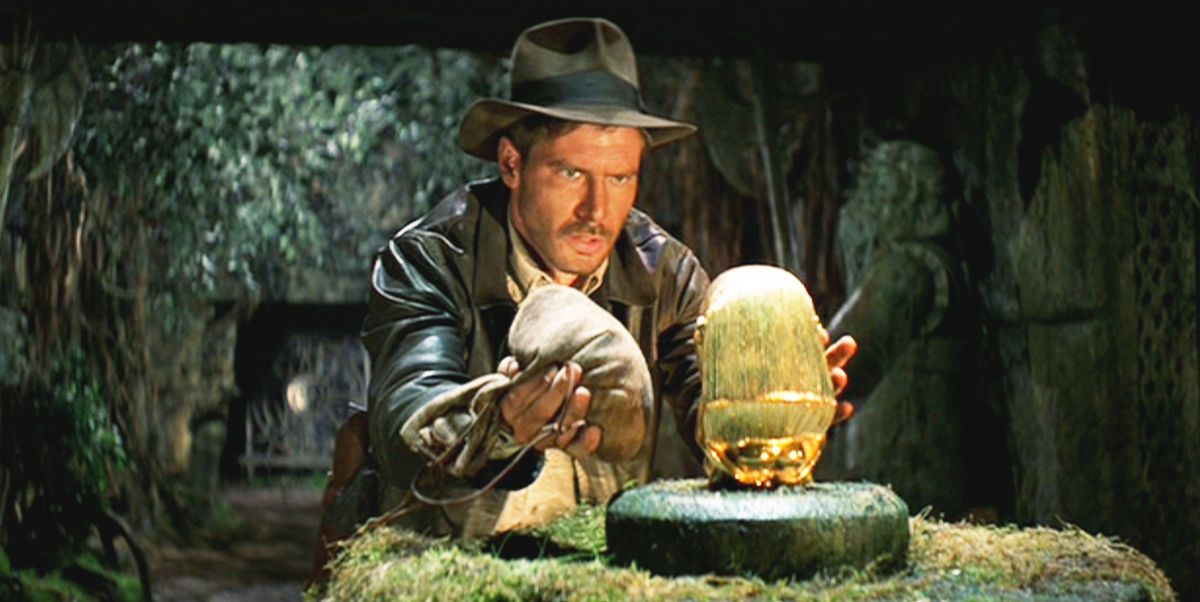
If your hero (not necessarily in the capes and tights sense, but think Indiana Jones, Jay Gatsby, Janie Crawford, Hazel Motes, or yes, even Superman and Scarlet Witch) is "too much," then you run the risk of losing the empathy and interest of your reader. 

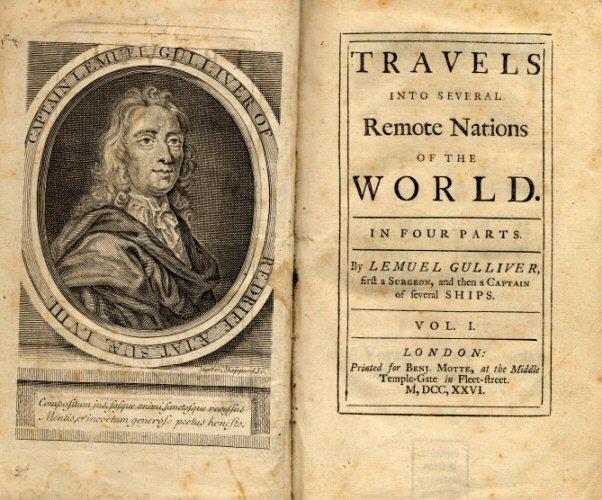
Even the gargantuan Lemuel Gulliver who couldn't be defeated in battle by the Lilliputians could fail at being able to stop a war if he couldn't get them to meet and come to terms. Sure, he could drag the boats from the sea, but he couldn't change hearts and minds. That potential inability knocked the proverbial wind out of his giant, nigh-indestructible sails. 

Can it be done? Yes, there are exceptions to every rule. That's the way rules work. But typically, it's important to remember that according to the law of averages, you're not that exception. Not only that. It's best to learn how to play within the rules in order to see how best and when best to break them. 

A Hero Who Isn't Yet a Hero

This is probably the most often used workaround for a hero who is way too powerful or unrelatable. It's also called "The Chosen One," "The Prophesied One," or "The One Who Was Called." It's when young Harry Potter or inexperienced Luke Skywalker (who are destined to be the unattainable best) are called by Fate (with a capital F) or some other oogy-boogey mystical reason to go from zero to hero within a story arc of how-ever-many (usually an epic series) books. 

This works because until the hero loses his, her, or their zero-ness, they are instantly identifiable. Not only are they weak or even totally helpless, they also typically begin at the lowest point of life they could be experienced. 

For example:

  • Orphaned or might as well be (Cinderella, Harry Potter, Luke Skywalker)
  • Living in poverty (King Arthur, Rey)
  • Sickly (Thomas Covenant)
  • No family name to speak of (In the Hall of the Dragon King)
  • Loss of title, money, or security (Robin Hood)
  • And the list goes on

These have become so overdone they have all become cliches. Of course, the reason any cliche attains such a "revered honor" is that it works. 

The reader in this case plays along and goes on the journey with Harry, to the ball with Cinderella, into alternate lands with Thomas Covenant, or against the powers that be with Robin Hood. We root for them to achieve their eventual ultimate badassdom that will in turn separate them as "the" hero from the very ordinary us. 

A Dragon Among Dragons

This is the one place I disagree with Chesterton's quote. A dragon among dragons is just another normie, especially if there's a bigger, more badass, more powerful dragon he must face and overcome. Then we're back to our ideal story of a normie among dragons. 

For example, to return to our Superman analogy, there are several fantastic stories in which the Kryptonian becomes more or less human and loses his powers -- either by visiting the bottled city of Kandor or via some shade of Kryptonite. In these stories, Kal-El, who isn't much of a fighter without depending on his strength -- I.E., when you can punch a hole in a building, what's the point of learning technique? -- goes from being a greater-than to a less-than. Now, he's at the mercy of regular Joes and Jor-Els who know some skills and have bigger muscles or are smarter than him. 

Humanize the dragon and you create a much more identifiable hero. Because we don't relate because of wings and fangs and claws, nor do they get in the way. We relate because of emotional and psychological characteristics that create human-feeling characters, not human-looking characters. 

I do however understand what Chesterton is saying. 

Let's say all those dragons are indestructible and all equally powerful and equally smart and emotionally well-balanced, blah, blah, blah. Suddenly our story takes a sudden nosedive. Who cares? ("Not I," said the Little Red Hen.)

Heroes need maybe not impossible tasks but at least one that's well beyond their ability to achieve without real effort and possible loss. The point of being a hero is to fight for something, whether to win Daisy from Tom and rewrite the past, to escape the war with the one you love, to battle all your ex's old boyfriends/girlfriends and win the heart of the girl/guy, or to literally fight off an ancient mummy to undo a curse you accidentally activated through plundering.  

The point is that there is something at stake, something the hero is capable of losing. Period. And when all things are equal, those stakes tend to disappear. 

A Normie Among Dragons

Here's where, in my admittedly less than humble opinion, the best stories live. A weakling among the giants. David among the Goliaths. The trick is to avoid the cliche of David and Goliath, and that's no small feat. 

This hero is truly the every-person. There's no destiny to become a savior, a chosen one, a prophesied king, nothing of the sort. This is just a person vs. the whatever (the classic conflicts being vs. person, vs. self, vs. nature/fate, and vs. society) with no option for godhood or boss-level boost for winning. 

In the dragon example, life and limb are on the line. But in a lot of fiction, that may not be the case. In most genre fiction, however, it may be. The normie may have to suddenly face the mob, Nazis, green-lipped aliens from planet Groomba, or even the sexy two-headed Amazon of the Himalayas. 

Most fictional dragons aren't going to actually be dragons, mind you. The before-mentioned Hazel Motes' dragons were his own faith he needed to overcome and recreate. Laura Ingell's dragon was the very land her family tried to eke out survival on. The family in As I Lay Dying must face not giant lizards but each other and rivers and other obstacles to bury their kin. Hemingway's fisherman just wants to bring his fish in. 

Just a personal aside, I think when a writer can combine an actual physical enemy like a villain or a dragon with a more psychological or emotional or spiritual enemy like personal faith or lack of confidence, well, then they're really off to the proverbial races with a truly formidable, multi-faceted antagonist.  

This brings us to the single most crucial element of the conflict. For a hero to be a hero, he, she, or they must have the very real possibility of failing. It must be an earned possibility, not some random bullet from an off-camera (or off-page) sniper we weren't previously told was there. This must be rooted in who the hero is and what the hero does or doesn't do. 

Without the possibility of failure, there are no stakes, no reason for readers to care. And that failure can't come via a trick from the writer. It must come from the character of the hero. I will repeat that. The possibility of failure can't be a gimmick from the author, but it must instead be part of the very nature of the character facing the challenge. 

The more a hero has to overcome, the greater the suspense for the reader. The greater the obstacles a hero has to survive, the more invested readers will be in the story and the more like they will tag along for the journey. 

The Adventures Are Startling

Let's revisit to the question we started with, but with a twist.

Q: When is a hero most like a hero?

A: When he, she, or they are at their least powerful, their least idealistic, maybe even their least heroic. 

And sometimes as writers that's a tough little idea for us to deal with.

Saturday, May 20, 2023

NOT YOUR TYPICAL DAMSELS IN DISTRESS! ‘PRINCESSES IN PULP’ NOW AVAILABLE FROM PRO SE PRODUCTIONS

FOR IMMEDIATE RELEASE

For centuries, princesses have been portrayed in fairy tales and beyond often as damsels in distress, waiting until the shining knight or errant prince rides in and saves them.

Those stories…weren’t Pulp.

PRINCESSES IN PULP, now available in print and digital formats from Pro Se Productions, imagines three royal daughters from legends near forgotten in stories that definitely put the emphasis on distress, but more from what these newly recast leading ladies cause those around them. Light and love are replaced by darkness, action, and adventure. Davide Mana, Emily Jahnke, and T.N. Goode tarnish the shine cast by fairy tales and reimagine Princesses pounding asphalt, running for their lives, and diving crown first into danger.

PRINCESSES IN PULP from Pro Se Productions.

Featuring a haunting cover by Antonino lo Iacono and print formatting by Carol Morris, PRINCESSES IN PULP  is available from Amazon for only $8.99 at https://tinyurl.com/mwdth3km.

Formatted by Morris, this quirky anthology is also available as an ebook for only 99 cents for a limited time from Amazon at https://tinyurl.com/yp57rxzw. Kindle Unlimited members can read for free!

For more information on this title, interviews with the author, or digital copies for review, email editorinchief@prose-press.com.

To learn more about Pro Se Productions, go to www.prose-press.com. Like Pro Se on Facebook at www.facebook.com/ProSeProductions