Showing posts with label John Neal. Show all posts

Thursday, May 28, 2026

Writing Short Stories


Okay, last week we covered series writing. This week is for the opposite end of the spectrum writers. This one's for the folks like me who love to write short.

What is your ideal length for a short story? How do you make sure that you're able to get one full story in that length?

Rosemary Claire Smith: The bulk of my published fiction consists of short stories. They were where I began my writerly journey. I still love them and just finished one yesterday. I don’t have an ideal length, but the ones that garnered the most attention are the longer ones: 8,000-14,000 words. I love the challenge of flash fiction and find the 1,000-word limit great inducement for cutting every extraneous word and sentence. Those left are expected to do double and triple duty.

Sheela Leyh: I know that it's more than 1000 words. Anything 1000 words or less gives me a major headache to write. I do write poetry from time to time. I do comb through my words for more impact when writing shorter.

John Morgan 'Bat' Neal: The most recent story I have written is 806 words. It doesn't need one word more.

Mari Hersh-Tudor: Went to Penguicon, a great one for writers. One of the panels was about How To Keep Your Short Story from Turning Into A Novel. Some of my notes from the panel were:

  • The formula is 1/4 setup, 1/2 meat, 1/4 wrap/ twist
  • Stay on task, make a plan, and stick to it
  • Give yourself a word count and stick to it
  • Make every word count
  • Short stories do not have subplots,
  • Don’t write to cut down, write light to add later,
  • No backstory, use efficient descriptions,
  • Economy like poetry

Jessica Nettles: I don't have an ideal length. Each story has a way of finding its length. I know that sounds metaphysical, but that's how it works in my world. Sometimes, I am writing to a specific word count, and I work hard to get to that word count and make the story work in that frame. That's good exercise for me. Other times, I'm writing for me, so I can go as I feel like going and let the story find its way.

Thursday, April 3, 2025

Titles and Stories (We Got Together, Like...)


This week, let's talk about stories and titles and how they go together (or don't -- I wan't presume your process!). 

What comes first for you, the story or the title? How does one drive the other through the process?

Sara Freites Scott: The title comes first but may change after I write the story! (Which actually happened with my first book.)

Bobby Nash: It could happen either way. Most of the time, it’s the story. That said, doing series work, like Snow or Tom Myers, I like to have a page at the end that states, “Tom Myers will return in…” and so I try to have at least a loose idea and a title for the next book ready to go. I have had instances where the title changed in the process.

Sean Taylor: I find it very difficult to write without a title. I'll jot down story notes and hold off actually writing the narrative until the right title falls into place. Yes, I know that (among other things) makes me an odd duck. 

Chris Riker: First - the moment. That one heart-wrenching scene. It contains the seeds of the story. It lives at the heart of the theme. Where do they come from? I live in a stressful world. Perhaps you've heard of it. Earth? Second - a few characters. Names. Quirks. Third - The ending. Not the plot; that's different. I need to know where my characters need to get to emotionally. Lastly: WRITE!

Jerry Motyka: Yes. Sometimes I get inspiration from a title, other times I get inspiration for the story and the title comes last.

Brian K Morris: Most of the time, it's the story, especially when I'm working with someone else's characters. Then again, I've come up with a title that practically writes the story for me. Also, I have to really put on my thinking cap to come up with a halfway pleasing (to me, at least) title.

Aaron Rosenberg: Oh, story 99 percent of the time, definitely. A lot of the time I'm scrambling for a halfway decent title -- I just use a placeholder to start, and hope something better comes to mind as I get into the book properly.

Gordon Dymowski: For me, the story almost always comes first. It's easier for me to come up with a killer title for a well thought-out story than it is a story for a killer title. I have several works in progress which I have named "Untitlted [INSERT GENRE OR CHARACTER" here to make them easier to track.

George Tackes: Always the story. Something in the story inspires the title. I couldn’t imagine having the title dictate the story. Because sometimes a story can go in an entirely different direction.

Iscah: Usually the story comes first, but it depends. Originally Seventh Night was called The Magician's Apprentice, and the story more heavily focused on Phillip. Then I saw a book with the same title at the store and decided I needed a new name. As the best fairytales are named after the princess, I went with *Seventh Night*, but this meant my title character was unconscious for two-thirds of the book. So, I reworked the middle to give her more to do and a bit more of a growth arch. I do think the story works a bit better that way.

When I say the story comes first, I tend to mean the general story. I usually have an idea for the title before I have finished writing. In some cases, it's a working title. I had a story called The Littlest Vampire, which is another title that I discovered was taken. That one has been sitting on my hard drive long that I may have to retitle it again if it ever comes out.

Some titles emerge while the story is still forming. I can be glacially slow from the spark of an idea and finding time to write it. So I have several backburner novels which are partially formed and still in the notes stage. Most of those have working titles.

Tuesday, May 7, 2024

Adult Writers, Child Readers?


For our next roundtable, let's look at being child readers and how, if at all, that influenced us as writers. 

Were you read to when you were a toddler/young child? Do you remember favorites that you continued to read alone once you learned how?

Ef Deal: I wasn't read to, but I learned to read very young, three years. I read in secret by the wedge of light from the bathroom after bedtime. Then I found the town library was on my street and ripped through the children's section in six months. Got a library card before I was five. My dad was a reader -- of trash. 

Elizabeth Donald: I learned to read when I was three (or so I am told), so I don’t have strong memories of being read to, but I know I was. My earliest associated memories are of reading to my parents. In fact, I recall sitting next to my mother reading her a Berenstein Bears book and she suddenly stopped me and summoned my father. I had no idea what was going on and wondered if I’d done it wrong. 

Instead, my mother asked my father to please get the box of Nancy Drew books from the attic. They were her books from her own childhood, those older 1950s blue tweed covers with the silhouette of Nancy and her magnifying glass (which I do not recall appearing in any of the books.) Mom realized at whatever age I was -- 6, perhaps? -- that I was ready for chapter books. I dove into Nancy Drew and never looked back. 

From there I discovered Judy Blume, Black Beauty and The Black Stallion, fought beside Johnny Tremain, explored the Mixed-up Files of Mrs. Basil E. Frankweiler, climbed My Side of the Mountain and attended Sweet Valley High. Then Lois Duncan introduced me to horror, which eventually led to swiping my mother’s Stephen King hardbacks which I wasn’t supposed to read but I left the dust jackets in their places so she wouldn’t realize they were missing. When Star Trek: The Next Generation premiered I was hooked into Trek, and started devouring every tie-in novel I could find. Then it was, “Hmm, I like this Peter David guy. I think I should see what else he’s written…”

Jen Mulvihill: Yes absolutely, my mother read all the horse books to me, International Velvet, Black Beauty, Little Nick, all of them. Then she read all the Laura Ingles books to me. When I got older I started reading L. Frank Baum, I still have not read them all yet.

Scott McCullar: I don’t remember my parents reading to me as a child. Perhaps my Mama did when I was a toddler, but I just do not remember it happening in my life. Instead, she would have conversations with me and would encourage me in my love for art. I know my Mama gave me the Little Golden Books before kindergarten. I think I was more infatuated with the illustrations. 

When I was a little older in kindergarten circa 1976, my Daddy started buying me comic books as an incentive to help me learn how to read. At that point, I was this little blonde-headed kid with freckles from Tennessee living in California who still retained his thick Southern accent. The school out in Fresno wanted to put me into speech therapy classes to lose the accent. The other kids in class made fun of me constantly with my Southern drawl – especially when it was time for me to read the “I See Sam” yellow children’s books. I was so infuriated at the time at the other kids that I refused to talk in class and it impeded my reading development at that time. With that, comic books solved the problem and I became a voracious reader. By second grade, I was reading biographies of historical figures like Babe Ruth, Davy Crockett, Abe Lincoln, and others. 

John Morgan Neal: I have no memory of being read to. First reads were Batman comics. And S.E. Hintons's The Outsiders.

Gordon Dymowski: My parents instilled a love of reading from an early age - according to family legend, my father purchased a copy of ONE FISH, TWO FISH, RED FISH, BLUE FISH the day I was born. Not only was I read to, but I was encouraged to head to the local library when I was a kid. Between Chicago Public Library and my Catholic school, I read several series multiple times: Alvin Fernald, Danny Dunn, Tom Swift Jr...and eventually, Sherlock Holmes.

Bobby Nash: I don’t remember being read to as a kid. I probably was, but don’t recall. My mom did like to read so that got me interested in reading. She used to get the Reader’s Digest collections. It was there I read my first novel, The Snowbound Six. I was hooked. From there I went to Han Solo’s Revenge and comic books. Plus, The Monster at the End of this Book with Grover was a favorite.

Brian K Morris: Yes, my mother read an assortment of Golden Books to me. My father tried to read some of my comics to me, but he grew bored with the task. I don't recall any of the books from back then, aside from The Night Before Christmas (which I own several editions of), but I loved them a lot.

Sean Taylor: Absolutely. Both my Mom and my MeMe (grandma) read to me. And they were both always buying my books. I was fortunate in that all my sets of parents and grandparents (as a child of divorce and remarriage I had "bonus" grands) supported me in being a reader from an early age. When I was able to read for myself, I always went back to the ones I remembered most and best -- The Pokey Little Puppy, Never Talk to Strangers, The Sailor Dog, and How to Make Flibbers, etc. : A Book of Things to Make and Do. I still own each of them, and they are still barely holding it together after all the years of love I gave them. I hope to pass them down to my own grandkids and build memories of reading them together. 

Susan Roddey: My mother read to me every day until I learned to read. It was always my favorite part of the day. My absolute favorite book was called "There are Rocks in my Socks," Said the Ox to the Fox. I bought a copy of it for my own kids... they were not impressed.

How often did you read as a child? Where were you on the spectrum that goes from "lock me in my room with my books" to "please don't make me read"?

Bobby Nash: I loved to read. Comic books became a huge favorite. Spider-Man, G.I. Joe, Space Family Robinson, Star Trek, and the big treasury editions of Captain America, Battlestar Galactica, and Star Wars were constant companions. I read novels. Those small paperbacks of the 70’s were a big influence on me.

I hated being told what to read. That’s probably because I don’t like being told what to do.

Brian K Morris: I grew up in the country, so books, comics, and TV were my real friends back then. I learned to read when I was three so throwing me into my room with my reading material proved to be no punishment for me.

John Morgan Neal: All I needed was to be in my room with my comics and my toys to reenact or create new stories from the characters I loved. School introduced me to The Outsiders, Animal Farm, Nineteen Eighty Four, and such.

Gordon Dymowski: I read voraciously as a child, and my parents encouraged this habit. I read everything from catalogs and newspapers to books and comics. If there's a statement that describes my youthful reading, it would be "Go find a book and entertain yourself." (Keep your minds out of the gutter, people)

Susan Roddey: I started reading early, and have been a voracious reader ever since. I was the kid they punished by telling me I wasn't allowed to read.

Scott McCullar: After discovering comic books in kindergarten where I learned to read and moved on to other “real” books, I became a lifelong reader. I didn’t have to be “locked in a room”, I just instead took books with me wherever I went. To the living room on the couch. Outside under a tree. On the bus with me to school. Wherever I walked.

Jen Mulvihill: I read all the time. I would sneak books in school instead of doing my school work. I didn’t have many friends so I would almost always be reading. You could usually find me in an apple tree eating green apples and reading.

Elizabeth Donald: So I was the bookworm, the kid who had a book hidden in her lap for those long stretches of math class (and got yelled at by my third-grade teacher in front of the whole class for READING when I’d finished the math assignment. “You spend your whole day with your nose in a book!” It did not occur to me for years to question her priorities.) My parents gave up grounding me, as I didn’t watch much television and ordering me to stay inside and not go out to play? Gee darn. Being a shy bookworm with unruly hair and thick glasses, naturally I was a target for bullies (mostly male, the girls just ignored me). So hiding in the storage closet during recess (with a book) or staying inside instead of going to the park (with a book) was definitely me. Instead, if my parents needed to ground me, they grounded me from my books, which got my attention. 

Sean Taylor: I read every time I could. I would spend hours in my MeMe's front bedroom (we spent a lot of time with her) reading. The books got more complex and longer and I branched out more in non-fiction too. I would read every book I could get my hands on about sharks, snakes, spiders, or dinosaurs, and I devoured my set of Childcraft Encyclopedias too. And I went from re-reading the children's books to reading the illustration and abridged versions of classics (not to be confused with the Classics Illustrated comic book though I read those too) with an illustration every other page. I particularly enjoyed the Verne and Wells abridgments. That's also when I found my favorite book that I probably read at least 200 times between the time I was 7 and 15 -- The Adventures of Monkey by Arthur Waley. I was very much into adventure stories at the time. 

Mari Hersh-Tudor: We had a big family so we got sent to the library a lot to keep us out of mom’s hair. Alone with a book was infinitely preferable to getting bullied by sibs. I was reading Asimov and Tolkien by age eight. 

Did those early experiences help to instill in you a love of stories, and how did that reading stories bug transform into a telling stories and writing stories bug?

Susan Roddey: I've always loved everything about the written word. Even before I understood how to write stories, I would pretend to be a writer. It's always been a part of me.

John Morgan Neal: Not sure instill is the most accurate word. Awoked. Revealed. Because I think it was always there.

Brian K Morris: Being in the country, the only companions I had were imaginary. That's who I read to when I was younger. And the storytelling bug is still strong in me.

Mari Hersh-Tudor: Dr. Seuss first showed me what imagination can do. My imagination always took anything I read and made whole universes out of it. And never stopped.

Scott McCullar: By fourth grade, I was writing my own stories. I won a “Young Author’s” contest at school for my first story “Mice Wars” which was loosely based on the historical story of The Alamo with a cast of characters that were all mice. I would continue to write stories here or there in my spiral notebooks, but my other interest wanting to illustrate also pushed me in the direction of wanting to be a comic book creator who handled both the writing and art chores in his own work. 

I just loved storytelling in all forms. Whether it was books, comic books, illustrations, television, film, or even audio-only sources such as radio dramas, records, or listening to someone speak in a lecture, interview, or tell a tale around a campfire, etc.

Elizabeth Donald: I have always been a storyteller, in any form. From my very early childhood I was writing, way back to early-80s Smurf fanfic. I was never going to BE a writer, mind you -- you needed Dumbo’s magic feather and to live in New York for that, or so I believed. But books were absolutely integral to my childhood, developing my imagination, and entry drug after entry drug kept me in fictional magic. I wrote my first novel in high school and it was terrible, as most first novels are. And I rewrote it a couple of times in college, and it was still terrible. I wrote plays as a theater major and they were terrible. But that’s the gig, isn’t it? The more you write, the less terrible your writing. Every word you write -- and every word you read -- makes you a better writer, in tiny increments. Those baby steps start with the Berenstein Bears and Nancy Drew and end up with your name on the cover displayed in the front window at Borders. 

Jen Mulvihill: I really think it did have an impact on me. Especially when I became a teenager and started reading Science Fiction, I could not get enough. But now I see in my writing a little bit of influence of a mix of Baum and Heinlein. As a child and teenager, I used to make up all kinds of stories in my head, sometimes I wrote them down and sometimes I didn’t. I still have an old suitcase full of old short stories, songs, and poetry.

Bobby Nash: Oh, yeah. I started thinking of ways to do my own stories. I studied the books and taught myself how to write, how to create stories and characters, etc. That urge has not diminished over the decades.

Ef Deal: I couldn't separate reading from imagining, so I began writing early, and yes, because I was an avid reader.

Gordon Dymowski: Since I grew up as an only child, I relied on my imagination and curiosity to provide entertainment. One method was drawing stories on scrap paper my mother brought home from work. I think that experience shaped my ability to tell stories since I knew I could take characters from comics and translate them into rough narratives. It wasn't until college that I started writing short stories...and developed a large collection of rejection slips.

Fortunately, the past eleven years as an author helped me realize I have a knack for this whole writing thing. It's still a learning process., but I feel more confident in my abilities now than I ever did in the past.

Sean Taylor: I don't think there's any denying how important the stories I read were to making me want to tell my own stories. I did it with everything from paper to pencil to playing with my action figures. I never played with them correctly. Luke and Leia were never Luke and Leia. Nope, Luke was a swashbuckling hero while Walrus Man wore the Jawa's cloak and became an evil wizard who captured Leia (I was a kid. I hadn't learned yet women didn't need us men to save them.) and foiled Luke's plans with his giant robot (Mazinga) while keeping hidden in my Fisher Price castle with the secret trapdoor. That play became stories that still influence me to this day, hence my love of adventurous tales of heroes and heroines in outlandish situations. 

Tuesday, October 3, 2023

Horror That Inspires


Here's a roundtable for the horror writers. Let's talk about inspirations and influences as we jump into spooky month.

Which writers influenced and inspired you to write (or how to write) horror stories? How did they influence you?

Danielle Procter Piper: While I've read many horror stories and have been favorably compared to Peter Straub, I can't pinpoint a specific influence. I just write what I'd like to read. 

Susan H. Roddey: My reading material of choice as a kid was usually Christopher Pike or RL Stine, which morphed into Poe, King, Rice, and Jackson as I got older. The Dark Half was the book that truly cemented my love of the creepy AND made me realize that writing was something I wanted to do with my life because if that guy was crazy enough to give life to a pen name, then surely I could do something equally as nuts, right? But the truly transcendent moment for me was reading Frankenstein for the first time. Not only is it both beautiful and grotesque, but it was written by a woman at a time when women were little more than property. It also taught me that there is beauty in classic literature (sometimes), which led to a years-long sprint to read as many of those books as I could get my hands on.

Brian K Morris: As an occasional dabbler in the genre... Mary Shelley, Stephen King, Robert Bloch, Bram Stoker, Dean R. Kootnz.

John L. Taylor: Weirdly, it was nonfiction paranormal writers like Daniel Cohen and Ivan T. Sanderson that first got me writing horror. I go for a more docu-fiction approach. Other Influences were Dudley Bromley, Frank Peretti, Christopher Pike, R.L. Stine, H.P. Lovecraft, and Clark Ashton-Smith. 

Sean Taylor: My horror writer influences are more classic than most, probably. I find that I'm far more inspired and affected by the work of folks like Shirley Jackson, Algernon Blackwood, M.R. James, and F. Marion Crawford. These writers really had a knack for mood and setting, and sadly, that's missing from a lot of modern horror in exchange for a more "go for the throat" sort of story. That said, I also love the work of Ray Bradbury when he turned to horror, such as his novel Something Wicked This Way Comes and the story "The Veldt." And while King is obviously an influence, I think I identify more with his son Joe Hill in terms of tone and mood for his horror stories. Now, after saying that, I'll concede that King is a master of the horror short story. 

Bobby Sisemore: H. P. Lovecraft because what he did was unlike almost anything that came before him, Village of the Damned because it was so eerie, Lovecraftian obviously.

Ef Deal: Not so much an author as an anthologist: Alfred Hitchcock books in our library had such wonderfully wry tales, and I like wry. I don't care for madness or body horror, but I like a cozy ghost story and philosophical vampire and werewolf tales.

Lucy Blue: So much of my style and habits of story construction can be traced directly back to Stephen King and Anne Rice. Which feels like a contradiction. King is so much about the intrusion of supernatural evil into the mundane--his brand of scary works so well on so many different readers because he establishes such a real, recognizable, ordinary world full of such ordinary, relatable characters for the scary to happen in and to. Even his monsters are petty and ordinary in their motivations and methods--they aren't romantic; they're hungry. Meanwhile, in Rice's worlds, even the cashier at the corner market has a supernatural glow and a magical backstory; she delighted in making her monsters as romantic as possible. Growing up goth, I adored both of them, and I think ultimately my own horror writing splits the difference.

Anthony Taylor: Roald Dahl, Rod Serling, Lovecraft, Charlie Grant. 

Stuart Hopen: I came to horror at an early age, reading Dracula for the first time in 2nd grade and Frankenstein a year later. The two books were powerful influences, leading in opposite directions. Dracula, at its unstaked heart is a heroic romance, a conflict of unambiguous good against absolute evil. Frankenstein is a tragedy, where the lines between good and evil blur. Frankenstein has deep roots in poetry and philosophy. Dracula has deep roots in theater, and the very model for title character was the greatest stage actor of his time. Dracula is fantasy. Frankenstein the beginning of science fiction.

Horror in comic books were a major influence on me as well. I was reading Marvel before they did superheroes. When Marvel comics set out to create a pantheon rival D.C.’s gods and legends, they mantled the universe in horrors, not absurdities. The Fantastic Four, the first Marvel demigods, had The Thing, a monster in their midst, and they fought other monsters—The Mole Man with his legions of underground behemoths, the Skulls, grotesque shapeshifters from outer space, the Submariner, the brutal psychopath from beneath the sea, who used to chuckle to himself when Nazis drowned or burned alive on their ships after being attacked. I bought Fantastic Four #1 off the stands, and it scared the crap out of me. The next Marvel entry was Ant-Man, who literally began in a horror comic patterned after the Incredible Shrinking Man, only to later don a costume and cybernetic helmet. And then came the Hulk, the cross between Mr. Hyde and Frankenstein. And the theology there was obvious—that beneath the horror and social dysfunctions of this universe, there is divinity, truth, and moral order.

John Morgan Neal: Richard Matheson. Nigel Kneale. Edgar Alan Poe. Shirley Jackson. Stephen King.

Jen Hart: I've always been drawn to the darker side of things so for authors: Stephen King, Anne Rice, Clive Barker, and way too many more since I always had a book in my hand as a teenager.

Chris Jowers: King. Shelley. Stevenson. Stoker.

Because we also learn storytelling from the visual delivery of movies, which movies influenced and inspired you to write (or how to write) horror stories? How did they influence you?

Brian K Morris: Psycho, the Universal Studios classics, the Hammer films, Kolchak: the Night Stalker, selected episodes of Doctor Who (LIke "Blink"), plus all those awful 50s movies I used to watch on late night TV.

Lucy Blue: With movies, I am very much more about ghost stories and gothic stories than I am monster flicks or slasher flicks or body horror. The first horror thing I ever remember seeing was a TV movie called Something Evil about a demonically possessed kid -- the kid was played by Johnny Whitaker, Jody from one of my favorite shows, Family Affair. I was deeply, deeply traumatized. And while I loved reading scary stuff, I was the wimpy kid who hid her eyes during scary previews until I was about 12 -- I had to be talked into going to see Star Wars the first time because the preview had "monsters" in it. Then I hit puberty right around the same time the Frank Langella version of Dracula hit pay cable, and I was lost to gothic horror forever. 😉

Ef Deal: Don't care for horror movies that are meant to gross you out. Give me Ash or Buffy. The most terrifying moment in The Exorcist was when Father Damien is listening to the demon voice recording and the phone rings. 

EVERYONE in the theatre screamed at that, then laughed at themselves. The same for the opening of Cabin in the Woods, two guys chatting when BAM! the movie title shocks you. Favorite horror movie? Tucker and Dale vs Evil. Or maybe Arsenic and Old Lace or You'll Find Out. Does anyone else remember Henry Aldrich Haunts a House? I'm a big fan of Black Mirror.

Jen Hart: Growing up I'd watch whatever horror movie I could. The earliest movie I saw was Poltergeist when I was 4 and that has always stuck with me, especially the ghost/demon in the hallway when the mom is trying to get to the kids. 

Danielle Procter Piper: My horror novel, Spiritual Concerns, is influenced by 1980s pop culture horror films, except I wanted to add a twist. It seems like they all had a gratuitous sex and/or nudity scene, and that's where I chose to put my most controversial scene. 

John Morgan Neal: The Univeral Horror films. The Hammer Films. The AIP films. Dan Curtis films. John Carpenter films.

Susan H. Roddey: I was never a particularly normal child (goes without saying since HELLO, WRITER!), and I was terrified of everything. My earliest memory of experiencing "horror" was my brother and his friend watching Poltergeist 3. The scene where they're walking down the hall and Kane is at each of the doors -- that visual and the associated terror stayed with me well into adulthood. I still don't particularly like mirrors because of it. It also started a lifelong obsession with horror. There's a place in my heart for the 80s slasher flicks, but my favorites are the more psychological movies -- the ones that don't rely so heavily on jumpscares and gore, but on the exploration of personal fear. That's why I loved Insidious so much (the final scene aside because it was dumb and didn't need to start a franchise, but that's another discussion). Blood and guts don't scare me, but watching true terror manifest before my eyes is fascinating. It's probably the same reason I love true crime and weird documentaries so much.

Sean Taylor: If I could ever capture in words the amazing set and tone that is the original movie version of The Haunting, I'd consider my life purpose achieved. I also learn a lot from when movies take left turns with their genres, like the sexual coming-of-age tale that is Dead Girl or Make Out With Violence, or the weird twists of many of Joe Landsdale's script work, my favorite being Incident On and Off a Mountain Road.

Anthony Taylor: The Sting, The Haunting, Rosemary's BabyThe Outer LimitsThe ChangelingThe Shining

John L. Taylor: Films that developed my style are Alien, Jurassic Park, Seven, Cloverfield, Raiders of the Lost Ark, The Fly (1986), In the Mouth of Madness, and the Alien Autopsy video from 1995. I should add that the X-Files helped me learn pacing while the others taught me a love of surreal and body horror. The opening to Jurassic Park was still the most scared by a movie I'd ever been (I was 9 when I saw that, and it still stays with me). 

Stuart Hopen: I tend to prefer horror works that cross the boundaries of other literature, that is comic in both senses of the word as well as terrifying, like the Bob Hope classic film The Ghost Breakers, or The Wizard of Oz, which is as terrifying as it is brilliant social satire.

Is there a particular subgenre of horror you prefer to write, i.e. ghost stories, slashers, Lovecraftian, vampire, werewolf, etc.? Why?

Ef Deal: I write ghost stories, human monsters, and of course my paranormal steampunk that features a lycanthrope, but she's not the horror. My influences aren't really tangible, but I preferred The Twilight Zone to The Outer Limits. That probably tells you everything.

Stuart Hopen: My own writing includes illustrated novels: an epic World War I aviation adventure styled in the form of a depression pulp magazine, more Robert E. Howard style horror/adventure than the Lovecraft model that it draws upon; and then an imagined lost silent horror film, interspersed with comic book pages and recreated silent film stills, drawing upon horror classics of the silent film era, like Phantom of the Opera, West of Zanzibar, and Where East is East.

Anthony Taylor: Metaphysical, ironic, internal.

John Morgan Neal: Monsters. Ghosts/Haunts. Psychological. Metaphysical. Sci-Fi horror.

Sean Taylor: I really like it all except for when fiction tries to substitute gore for excitement. Hear me out. I don't mind gore, and I think gore can be used to help build excitement and tension in a story, but it can never be a substitute for it. I think, like with all stories, true horror always comes back to character. That's where I like to think my horror stories camp out, whether they are zombie stories serial killer stories, monster stories, or ghost stories. 

Brian K Morris: I find I prefer ghost stories and occasional vampire stuff. I'm more into mood than gore.

Danielle Procter Piper: I love writing stories in the most realistic way I can, so I typically tone down the supernatural elements. My background in biology helps me create very believable cryptids, and my interest in medicine allows me to create plausible explanations for human-type monsters. I do like incorporating parapsychology into stories, though... so ghosts are frequent antagonists.

Chris Jowers: I honestly miss monsters. Zombies, vampires, and zombies have become so commonplace that monsters are not getting their due.

Lucy Blue: I try to make my worlds as real as possible and my human characters as recognizable as possible, but my monsters are pretty darned romantic--not in a sparkly vampires way but in a supernatural evil/dark magic way. In The Devil Makes Three, that dichotomy between the evil of plain old horrible humans versus the evil of a supernatural entity is at the very center of the book.

Jen Hart: I'm a big fan of writing supernatural, ghosts, hauntings, vampires, grim reapers, demons.

Susan H. Roddey: I do lean more toward psychological and cerebral. I like the anticipation leading up to the "Big Reveal." I like exploring the edges of sanity and questioning the parts that don't always seem to fit together. I also like blending those elements with speculative styles to create something different. Sometimes a little bit of gore is necessary, but, for me, it doesn't have to be a driving force.

John L. Taylor: Lovecraftian and body horror. I find that Lovecraftian horror, told through a first-person docu-fiction lens is a very effective lens to convey horror through. Body horror connects with me on a deep, personal level. My Mom and Grandmother both had multiple bouts with cancer in their lives, and I nearly died of an asthma attack in 1991. I spent a lot of my childhood around hospitals, so the horror of the human body being grotesquely warped was instilled in me early on. Drawing on that deep fear. I find, lends to the verisimilitude of the horror. One of my personal favorite horror works of my own was a post I did on Reddit's Two Sentence Horror: I was relieved when the Doctor said the mass in my brain wasn't cancer. Until he let me hear its heartbeat." That gut reaction to something relatable is the real key to effective horror in my book.

Tuesday, May 30, 2023

The Gray Valley -- Good Villains and Bad Heroes (A Roundtable)

We all know that for the most part, our characters are supposed to be fully fleshed out and multidimensional. That means we need heroes with things we don't like and villains with traits we actually admire. But how do you do that?

What's the danger of a hero who is solely heroic or a villain who is purely villainous?

Ef Deal: I would hope that writers take the time to study human nature enough to know that -- outside of comic books and Marvel Universe -- people are people. Once they become characters in a story, they require agency as well as fully formed humanity, with aspirations, plans, goals, and foibles. Doesn't matter if they're the pro or anti, hero or villain (I dislike those terms), they've got to be people first.

John L. Taylor: The danger of a purely "Lawful Good" hero is that it doesn't leave room for internal conflict that leads to character development. It's part of why Batman seems more relatable than Superman. Also, when the character is that rigidly good, they take on an authoritarian air that doesn't sit well with the modern reader. As for the purely villainous "Chaotic Evil": compare Thanos (the MCU version) to Jason from Friday the 13th. Both exist as avatars of death in their respective stories, but Thanos is also more relatable as he has some degree of moral ambiguity in his intentions. Heath Ledger's Joker was another prime example of this. Vile intentions wrapped in a layer of social criticism and acute awareness of the corruption of those who believe they are the "good guys." That's solid story material there. 

Bobby Nash: Perfect characters are just that. Perfect. There’s a place for those types of characters, but you go in knowing exactly what you’re going to get. There are no moral gray areas so few surprises based on character. That said, having a heroic character do the occasional morally questionable act adds a new dimension to them. It doesn’t always mean the character will go that route, but we know there’s a line for them. Here are two examples from TV that stick with me:

In the Magnum, P.I. (OG version) episode, Have You Seen The Sunrise?, Magnum and friends are targeted by an old enemy from their time in Vietnam, a cold-as-ice killer named Ivan. The episode sees one of Magnum’s friends killed, another injured, another programmed to become a killer, and even Magnum gets shot and blown up along with his car. Ivan is a bad guy who does bad things, but he has diplomatic immunity so the two-part episode ends with him being asked to leave the United States and to never return. This does not sit well with Magnum or Rick so they divert the car and Magnum confronts Ivan. Ivan tortured all of them years ago as POWs and he tells Magnum that, despite all he’s done, he knows that Magnum is a good, honorable man who would never commit cold, calculated murder. Magnum shocks him, and the audience, when the episode ends with him pulling the trigger. Does this make him a murderer? Yes. He murdered the guy. Does it make him a bad guy going forward? No. Isolated incident, but one that added a new layer to the character.

The second is a Stargate: SG-1 episode titled “The Other Side” where the team meets an advanced race on another planet. They start the procedure to form an alliance when they learn that this group, who we’ve been told are under attack by a vicious force, are in fact the instigators, having tried to wipe out those on their planet they believe to be impure. The alliance isn’t happening and the team makes their escape as the other side attacks. Colonel O’Neill warns the leader not to follow. We are reminded earlier in the episode that, if the iris is closed on Earth’s gate, an incoming traveler will die when they reform against it. O’Neill enters and, knowing the bad guy is following, steps through and orders the iris closed immediately. His teammates look at him with shock as we hear the villain die as he hits the iris. As with the Magnum example above, the character did commit murder, but it did not irrevocably change the character going forward.

Of course, in both these instances, the characters were soldiers and had been trained to compartmentalize and do whatever needed to be done. I think those are great story examples of facing those shades of gray.

Lucy Blue: I write very character-driven fiction, regardless of the genre I'm working in, and I never stop to think if someone is a villain or a hero. I'm all about motivations. I start with a protagonist, someone whose personality or goals or situation particularly interests me, and I immediately dive into their motivations. What does this character want? Why do they want it? What would have to happen for them to have it? How are they going to make those things happen? What are they willing to do to make those things happen--and what are they not willing to do? What roadblocks am I going to create and drop in front of them, and how are they going to pivot to get around them? Coming up with the answers to these questions for my protagonist inevitably creates the other characters, some of whom will help them, some of whom will seek to stop or harm them, and I ask the exact same questions about those characters, too. (Incidentally, that's one strategy for avoiding racial and gender stereotypes in your characterization--focus on the individual characters' own motivations rather than what they're doing for or against your protagonist. 

John Morgan Neal: I don't see why we can't have both. It seems there is too much either or in our culture sometimes nowadays. Old grumps not liking the new-fangled stuff and kids dismissing all the old stuff as has been. My mantra has always been 'variety is the spice of life' If everything is the same, that can get very dull very fast.

Richard Knaak: In my Rogues Gallery, the hero is missing, so the villains are falling all over each other. Not great for 1930 Chicago -- well, an alternate one -- but not every villain has the same motivation. Some just want to steal nice things, for instance, not try to take over. It's the backgrounds of the various villains and the choices that they make based on both that background and their overall desires, that brings them into conflict with one another... and makes some even a bit heroic. I think that rounds them out better overall.

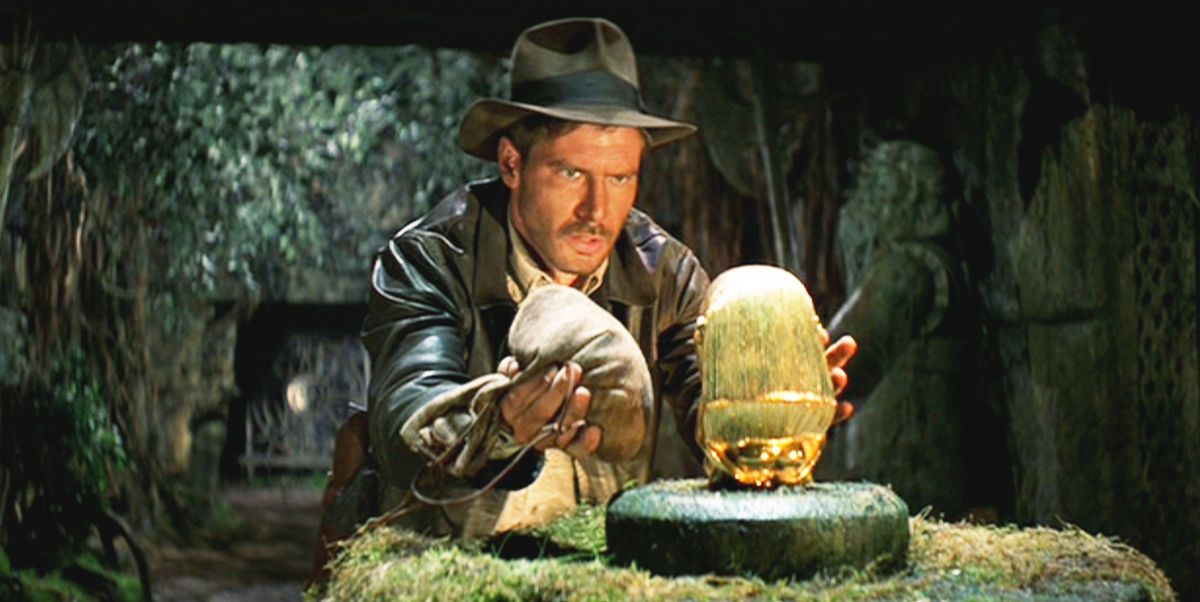
Brian K Morris: The problem with a solely heroic hero is the problem usually given to characters like Superman and most comic book protagonists, that they're "Boy Scouts" and thus, "dull." Heroes need a quirk to help make them interesting (Batman hates guns, Doc Savage is emotionally reserved, Frank Castle and Mack Bolan are motivated by revenge, Indiana Jones hates snakes, etc.). They can be interesting for a while but mostly become tedious after a time because there's nothing to get to like the character on a personal basis.

The same with villains, except you don't have to empathize with them as you would a protagonist. But you should understand why they do what they do, simply beyond the mere accumulation of power/wealth/influence.

Nancy Hansen: I prefer reading stories that have complex characters, no matter whether we're supposed to root for them as they bumble, blunder, and batter their way through the situation or wish someone would flatten their faces with a sledgehammer because they are so incredibly detestable.

Emily LaFlame Jahnke: Funny you mention that because I’m working on a character who did horrible things but is on a journey of redemption.

There are really good examples of good heroes and bad villains, (i.e. Doc Savage, Superman, the Joker, Lex Luthor, etc) but really good writers focus on what makes them heroes or villains.

Pól Rua: For mine, one of the dangers of an 'infallible' hero is absolute conviction. And what's worse than that is when that absolute conviction always pays off.

A character who is 'solely heroic' is not a problem. That characters like Superman, James T. Kirk, and Doc Savage, for instance, act in a way that is 'always good' is entirely plausible. Where it becomes problematic in terms of storytelling is when those characters act in a way that suggests they are supernaturally aware of the best course of action.

In a standard narrative involving this sort of character, the crucial dilemma for the hero should be discerning what that course of action IS.

Most Doc Savage adventures, for instance, begin with some sort of impossible situation or cryptic warning. The goal then, is to use the character's considerable talents, resources and intellect to investigate and gather information. His greatest virtue is intellectual curiosity.

In the case of James T. Kirk, he is often placed in a situation where he is not in possession of all the facts. Because he is confident in himself and in his trusted allies, he will quickly act based on what information he has, knowing that inaction could lead to disaster. This confidence also means that, in a case where his initial response was incorrect, he and his allies can gain new information and perspective and change their strategies accordingly. His greatest virtue is self-confidence.

Superman, on the other hand, is often forced into dilemmas based on the scale of the situation he is forced into. Despite his abilities, Superman doesn't consider himself better or more important than others. He sees a capacity for heroism and goodness in everyone, and while he appreciates that his powers give him the ability to act on a larger scale, he rejects the idea that his actions are more virtuous or important than that of any person who chooses to help someone out in a time of need or who puts another's wellbeing ahead of their own. His greatest virtue is humility.

But if you have a character who ALWAYS seems to always make the correct decision, even when not in full possession of all the information necessary, then it begins to feel less like competence and more like author fiat. At that point, you're not playing fair by your audience, and consciously or not, audiences can sense that.

What tips do you have for creating heroes and villains who defy simple one-note portrayals and are able to appeal to readers as much than just flat, cardboard cut-out caricatures?

Bobby Nash: For me, it always starts with character. I work hard to make my characters as three-dimensional as possible, as fully formed as possible. That means the good and bad. As the writer, I know those things, even if we don’t always show it. All characters have bad days. How do they handle it? Does the character shrug off problems or do they piss them off and spoil the rest of their day? Those are important character-defining traits I like to know upfront, but I’m also open to learning new traits and tidbits about my characters as we move through the story we’re telling. Once I get to know the characters, they will tell me what they’ll do and how they’ll react.

Emily LaFlame Jahnke: My biggest tip for creating good villains or bad heroes is to show their heroic sides and to make them compelling. Scarlet O’Hara for example is no Angel. But she’s still compelling and interesting.

Brian K Morris: Give them a non-standard quirk, both heroes and villains, that make them a little more interesting and might even be an impediment to accomplishing their goals every now and then. Or give them an almost redeeming quality, such as when Dr. Doom killed his flunky for attempting to destroy the Fantastic Four but risking Doom's stolen art treasures in the process.

Alycia Lynn Davidson: Make them human, even if they aren't. Even the most heinous of individuals will have wants, needs, desires, and goals, and the most pure of heroes (the interesting ones, anyway) will have flaws, quirks, moments of doubt and growth. They all have relationships and routines, things in their childhood/creation that shaped them. I take those small things and use them to ground my characters to reality. My favorite character in each project shares my birthday. One of my novella characters is a type 1 diabetic, like myself. The big bad of my space opera gets his own prequel novel to help flesh out his powerful, decades-long arc. Find the small traits that add depth and weave them throughout the narrative in the way they speak, act, and think.

John L. Taylor: A tip I have in creating rounded heroes and villains is this: give them both a conscience, but a tendency to self-interest. Each should believe they're working for the good of someone, but their motives for that don't have to be altruistic. Put heroes in situations where they have to cross the line they swore they never would to get the job done. Give the villain someone they truly care about (Not Joker and Harley Quinn style, really cares about selflessly). I can tie this off my picks for best-written heroes and villains. Best Hero: Indiana Jones. Morally ambiguous but would never side with the true evil of his time. A self-interested adventurer who's worldly wise but never lost the sense of wonder and leaves a trail of broken hearts in his path. The best villain will be controversial: Jenny from Forrest Gump. Though the story has a very patriarchial moral, Jenny is the villain of the piece. Everything she does has contempt for Forrest, and even in the end, he doesn't "get the girl" as Jenny only marries him when she knows she's dying and won't have to live with him for long. Yet anyone in the audience would probably have done everything Jenny did if put in the same situation. The Hero and Villain have intimately connected sources of conflict in each other's lives in Forrest Gump. to the point you don't even realize that's what their relationship is. That. in my opinion is the highest level of writing such characters.

John Morgan Neal: I tend to write villains both ways. It depends on the story, character, genre, and medium. For comics, I clearly go for the classic over-the-top villains. I try to bring a new wrinkle to them and add a bit of gray and nuance. But I fully admit the fun part is being evil because it's fun. My character Aym Geronimo's main nemesis Sean " The Rooster" Riley is a perfect example of my take. He is Aym's ex. A reformed terrorist whom Aym fell in love with and tried to help him by fixing his brain and making him far worse. Now Sean is THE terrorist of the planet and loves playing the villain and loves dirigibles as all classic villains should.

However, in the Westerns there is a bit more nuance as I write Spaghetti Westerns and mean 70s paperback-style Westerns. There isn't always a lot of room between good, bad, or ugly as my favorite western I just paraphrased demonstrated.

Lucy Blue: Remember that nobody is an NPC in their own story, and every character has their own story. What makes them a background character isn't that they exist to serve the protagonist but that our story isn't focused on their journey--they're incident, not throughline.) I usually write in limited POV third person, meaning I follow my protagonist from inside their head. That usually results in the protagonist and those who help them coming across as heroic within the context of the story and those who hinder them coming across as villainous. But because even the villains have their own goals and reasoning and even the heroes are serving their own needs and desires (which may or may not serve a greater good), nobody is purely a hero or a villain.

Nancy Hansen: Because of that personal preference, I try and write them that way as well. One-dimensional heroes or villains tend to bore me. I want to know not just what they're doing, but why they're doing it, because that adds a layer of reality to a story that pulls you in. It doesn't have to take up a lot of room, I try to drop in just enough insight here and there to get a peek at those clay feet or the traumatic motivations that made them who and what they are today.

Thursday, March 24, 2022

Copycat, Copycat: Writers on Copying Our Inspirations


It's a common story. Writers get into writing because they're inspired by certain authors who have influenced them. And, almost always, at first they emulate them in at least style, if not substance and theme.

But let's move it from the general to specific and talk about YOU, writer.

Which author or authors were your beginning models to copy when you started? When did that copying start to shift into something that would grow into your own voice and style?

Ef Deal: My earliest influences were Bradbury and the Alfred Hitchcock anthologies. Then Tolkien. The handwavium aspect of Bradbury is the basis of all steampunk, if you think about it, so yes that fantastic element is still in my works. But mostly I was influenced by my studies in French literature, where words were chosen for their greatest effect. Poe said all elements of a story should work together to create a unified effect, and that has been my guiding mantra.

Rob Cerio: Douglas Adams, Issac Azimov, and Clive Cussler. I think my style grew into its own after I stopped worrying about making jokes that sounded like "Bad Douglas Adams" Jokes, and just let them be funny on their own.

John L. Taylor: At the beginning, I was an imitator of Ray Bradbury and John Updike to a vast extent. All my work from that period was soundly rejected as it was a pale imitation of a superior author. I had tried to write a novel manuscript, but the early draft was a meandering pile of exposition. Note I hadn't tried writing horror or New Pulp yet despite being a major fan of the genres. I began developing a voice of my own, oddly, while writing erotica under a pen name for a now defunct website (Ironically, those unpaid stories are still my most widely read at 6k or more reads). I somehow connected with an audience by writing the type of story I wanted to read. My voice in writing finally emerged while writing The Rocket Molly Syndicate for the Dieselpunk E-Pulp Showcase Vol.2 in 2013-14. My Mom was fighting ovarian cancer as I was working on it, half was written in hospital waiting rooms. I needed a release and wrote pure escapist fiction. It connected, and the anthology it appeared in moved about 775 copies across all platforms and was adapted as an audio drama for the Coffee Contrails Podcast, adding another 200 or so downloads. It is still my most successful work to date. I dug further into New Pulp, but with a strong influence from Lovecraft and Robert E. Howard. My next works were The Legend of the Wild Man, a 100 line narrative poem that ran in the Mythic Circle, and The Thing in the Wexler House, an audio narration that Otis Jiry performed for me on his YouTube channel. Both got solid receptions. As I branched into poetry, more growth happened, and My current style was cemented. Eerie, dreamlike narratives with a pulp twist. Also, writing online narrations helped a lot, as I was introduced to horror voices different from what I'd read before. Variety helps a lot.

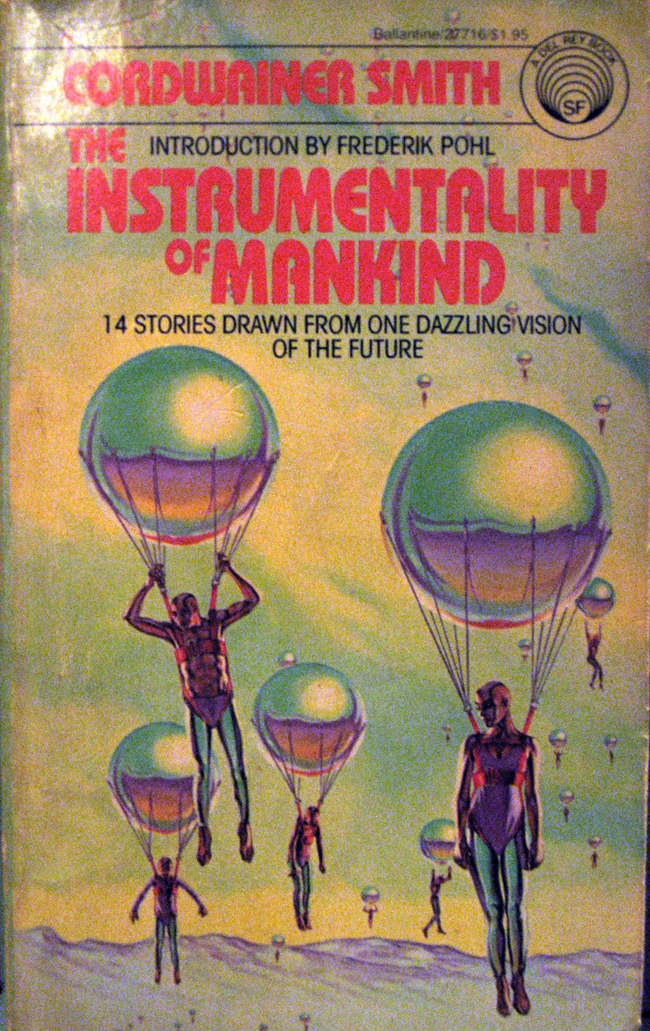
Anna Grace Carpenter: The first I remember trying to imitate was Cordwainer Smith. He had a flair for not letting story get in the way of the occasional stylistic flourish and I loved it. Later Tad Williams and Raymond E. Feist made an impact on how I used characters to best tell the "exciting" parts in ways that actually had an emotional impact, plus a particular style of world-building that has stuck with me. (I would be hard-pressed to explain this, but I know that it's there because of reading their work.)

Things started to be less copycat once I really started writing a lot. The more I was using words in storytelling regularly, the more my own style began to emerge from the way I pictured certain scenes and the dialog I heard from my characters. At which point those authors moved from a category of imitation to one of influence.

HC Playa: So there are 4 authors that spurred me into writing: Sherrilyn McQueen, J.R. Ward, Karen Marie Moning, and Patricia Potter.

All four build intricate worlds, whether it's dropping you into the romantic lives of people in 1100 AD Scotland, a hidden Vampire society, a murder investigation turned apocalyptic collision of Fae realms and human, or weaving mythology into romance and adventure.

I didn't copy any of them directly, but they all made characters breathe on the page. They weren't afraid to weave love into blood and gore and battles. One of my favorite things that I did copy was the reoccurring cast that doesn't necessarily feature the same POV from book to book.

Ernest Russell: My earliest influences were Poe, Verne, Wells, and an anthology called Tales of Time and Space. Later Lovecraft and the circle of writers from Weird Tales.

Of these early influences, there is one that influences every story. That is Jules Verne. One of the things I LOVE about Verne's stories is he did research and did his best to not only incorporate the science and technology of the story's time period but to project it forward into what might become. As such I try, even in my fantasy writing to research what I am writing and make it plausible within both the world rules for the story and what I find historically or current science and technology and translate it into the story.

Frank Fradella: F. Scott Fitzgerald, Robert B. Parker, and Chris Claremont. Remove any one of them and I'm not sure I'd be a writer at all. My college professor in English told me to look at Parker for dialogue, and he was right. Fitzgerald showed me how to make prose feel like poetry, but it was Claremont who taught me how to tell a story. I had been reading comics books off the spinner rack for years, but the first comic book I *remember* is Uncanny X-Men #131.

Tom Powers: A weird mix of Walter Gibson, Paul Ernst, and H.P. Lovecraft. Still echoes of them all, plus a bit of Norvell Page. Much of what I write is in the traditions of those writers' genres.

Pj Lozito: I wanted to write like Lester Dent, Edgar Rice Burroughs, Raymond Chandler and Sax Rohmer.

Teel James Glenn: Robert E Howard, Lester Dent, Peter O'Donnell, Dash Hammett.

Krystal Rollins: My inspiration: Mary Higgins Clark from my past, and my present is you,, Sean. Her work continues to inspire me in how I create my characters. Her words are printed in black ink and white paper but in my mind, it's blooming with color. I keep writing Sean because of you. (Editor's Note: Awww... Shucks. Thanks, Krystal.)

Charles Gramlich: Ray Bradbury for one

Murky Master: So Dragonlance and the anime Escaflowne, above all else, got me into writing seriously when I was about 13 years old. It took another ten years before I returned to that old dream, but I wrote part of a fantasy novel in those days that I am still surprised at its quality compared to what I wrote today.

John Morgan Neal: Stan Lee, John Broome, Gardner Fox, Bill Finger, Bob Haney, Denny O'Neil, Archie Goodwin, Len Wein, Steve Englehart, Jim Starlin, Roy Thomas, Doug Moench, Michael Michael A. Baron, John Ostrander, Mike Barr, William Messner-Loebs, Bill Mantlo, Marv Wolfman, and last but opposite of least, Chuck Dixon.

Michael Dean Jackson: When I started writing (as Jack Mackenzie) I was inspired by a lot of military science fiction; Heinlein, Jack Campbell, David Weber, Lois McMaster Bujold, etc. It was with those inspirations that I wrote THE PARADIGM TRAP and THE MASK OF ETERNITY.

Do those elements of your inspirations still show up in your current work? Howso? Are they things you do consciously or have they just been internalized by the years of doing them?

Frank Fradella: Completely internalized. I took Parker's style for a spin on its own, and it felt like wearing one of those 1970 Halloween costumes that comes with the hard plastic Batman mask attached by a string. It was a conscious choice to find me in that amalgam, and that's the writer I became.

Anna Grace Carpenter: I do still love a stylish bit of storytelling. Voice, unexpected use of language and grammar (or lack thereof) to catch the reader's attention at a critical moment are some of my favorite things. And that all grew from early attempts to mimic Cordwainer Smith. And the storytelling inspiration I got from Feist and Williams is still there too. Using all the characters to tell the story whether we see their PoV or not. Allowing heroes to not always be heroic and villains to not always be villainous without diving into a grimdark grey. And allowing tragedy to occur, sometimes in very small ways that adds a bittersweetness to big triumphs.

I don't think it's deliberate, it's just how those inspirations encouraged my own voice and writing the kind of stories I like to read. Because that was what first made me want to imitate them - they wrote stories I loved. And now I write stories I love so the influence is still there, but organically after years of practicing my own storytelling.

HC Playa: At some point, I found my own writing voice, but for all my novels, these elements remain, including having two central protagonists (usually a male-female romantic pairing, but like JR Ward, I branched out the more I wrote).

Depending on the story it can almost seem like a hero and side-kick type of casting, especially as I pit them against larger-than-life dangers. (As I type this I suddenly see why my publisher says my writing is pulp 😂.) I don't lean into the romance aspect as much as those authors tended to. More like Moning's Fae Fever series, the romantic aspects take a back seat to the apocalyptic events and characters dealing with their issues.

I have read plenty of classics of multiple genres, but it would be disingenuous to say I am influenced in style by those stories.

I don't aim to write the next classic that future college students dissect to figure out what I meant when I said the sofa was an ugly flea market reject.

I write to entertain. I use elements from the stories I love reading. I love weaving in magic and the amazing, because life always needs magic.

John Morgan Neal: Yes. I'm a big ol' ape in more ways than one. But never outright. The stuff I love is in my DNA. So it has to shine through.

John L. Taylor: Many facets of my inspirations are like a reflex now. A subconscious thread. I still lean on Lovecraftian themes and first-person narrations in horror but avoid the adjective salad pulp writers often used when stories paid by the word (Lovecraft was great at taking a whole paragraph of them to say "it was an amalgam of parts that defied description, an offense to biology itself.") I guess that's the real difference between me and my inspirations: I prize concise writing. I suppose that's the last vestige of Updike left in me. But it's a great influence to retain/

Rob Cerio: I still feel like I use Cussler's "opening Gambit" formula and basic formatting of action scenes. Azimov's use of "working-class schlubs" is something that still crops up all the time in my work.

TammyJo Eckhart: I can't answer question one so question two also doesn't apply. While there are authors that I loved and still love, the idea of copying them in any way never entered my mind. I was writing stories from kindergarten onward.

Murky Master: Things I took from Dragonlance were:

  • mixing cultures is both hugely interesting and creates lots of conflict, from Tanis Halfelven's internal identity drama. I'm biracial myself so it was interesting seeing someone "like me"
  • Bad guys are F-ing Awesome. Raistlin made a permanent mark on my picture of wizards and magic and the lure of power magic brings. You need no further proof than to behold my profile pic, after all. Nothing makes me hahaha quite as much as my hourglass-eyed boi. Lord Soth was pure mother finding METAL as well and remains my fave Ravenloft Darklord.
  • Escaflowne was a romance and an epic fantasy all at once. Later on, I would actually sit down and read a romance novel and find it totally awesome, and I like to have strong, real relationships in my books because of that anime.
  • also, the anime was grand in scope, full of pathos and beautiful at times, unspeakably cruel at others (looking at you Dilandau). It helped me understand PTSD and the weight of honor as well as the power of dreams to destroy and create. Dilandau also made me like insane villains.
  • the Adventures of Batman and Robin cartoon with Bruce Tim as the art director also made me love art deco and Pulp sentiments. The episode featuring "The Grey Ghost" and Brendan Frasers The Mummy sealed my fate. Now I can't help but have all cap titled like DESTROYERS FROM WALMARTS BEYOND and COURT OF THE GLISTENING LUNCH LADIES and such.

Chuck Dixon: I read so much before I started writing for a living that I have no idea who's work I've intuited over the years.

Michael Dean Jackson: However, around the time I was writing my books I discovered the television series SHARPE on the History Channel. I loved every episode and I loved Sean Bean as Richard Sharpe. So I figured I would try the novels by Bernard Cornwell and I loved them even more. The books were, I found, immensely better than the show.

And it was those novels and the character of Sharpe who fired up my imagination and helped me come up with my own, military SF version, a character called Jefferson Odett.

I have only written two Jefferson Odett books, DEBT'S PLEDGE and DEBT'S STAND, but I do have a third one that I may eventually get to. Nevertheless, Jefferson Odett is more than a little inspired by Richard Sharpe, in the same way that Horatio Hornblower, C.S. Forrester's seafaring adventure hero, inspired Bernard Cornwell's character.

I am under no illusion that my novels have anywhere near the quality of Cornwell's or Forrester's, but the inspiration is there.

Tuesday, September 14, 2021

Creating Effective Story Bibles


This week, we're going to pull out the red letters for bibles... No, not that kind -- Story Bibles! Some writers love them, some find themselves stifled by them. Some don't like having to use them but find them necessary regardless. This week, we talk about series bibles (or story bibles, as I've also heard them called). 

What goes into an effective and efficient story bible?

John L. Taylor: I use one even for single short stories, here goes mine. What goes in needs to be three things 

A. Character Bios that define their behavior and background to be consistent. 

B. the guide to overall tone of each piece and what tropes/themes are hard no's and which are auto includes. 

C. The overall arc of the series (if a planned number of stories) and what plot points resolve where and what milestones each character's arc reaches.

Aaron Rosenberg: Premise, setting, characters, theme, tone--anything that needs to be consistent throughout the stories. The more closely tied together they are, the more detail the bible requires. Often, for a series, this includes a timeline of existing events, and that and the character bios are updated as things get added and changed.

Andy Fix: Character basics (personality, physical description, any special abilities/gear character uses regularly, list of supporting characters and relationships to main character, anything that might make the setting stand out.

Gordon Dymowski: A good bible has character descriptions (including relationships and possible backstory), setting, and some examples of what to avoid in writing that particular character.

Bobby Nash: You need to get to know the characters in the bible. This will show the definitive version(s) of the character(s). Changes to that can happen, but this lets all involved start at the same place. Locations, terminology, special skills, equipment, etc. are also shared here. Where they live, work, eat, relationships, etc.

Sean Taylor: Something that a lot of folks don't think about that I really appreciate as a writer is a sort of web that connects the characters' relationships. Who is in love with who? Who doesn't get along and why. That helps me with the deeper, character-driven parts of the story I'm writing.

What shouldn't, but you often see in one anyway?

John L. Taylor: A detailed "beat sheet" of exactly what happens when in each piece. If you read the Encyclopedia Brown books as a kid, you get why this is a bad thing, as each book was basically a copy and paste of the first with altered clues. 

Aaron Rosenberg: I don't know that there's anything you SHOULDN'T include, it's just that you run the risk of bogging people down with too much detail they don't necessarily need.

Andy Fix: Detailed history of past exploits (unless there is an overarching story arc.)

Gordon Dymowski: A detailed history of the character. (I don't mind links/information about reprints/publications/etc, but it's the writer's job to do the research).

Bobby Nash: No one particular thing leaps out, but sometimes story bibles have too much information, not all of it necessary to write the character(s).

Sean Taylor: The dry, encyclopedia tone. I much prefer it when a story bible can give me a flavor or taste of the writing and the characters' voice, even when presenting the cold, hard facts of the bio and beats. 

Is a story bible something you look for before contributing to an anthology or series?

Bobby Nash: If it’s a character I am unfamiliar with, the story bible can prove quite useful. I’ve also found it useful in doing media tie-in work, even if I do know the character. Often, licenses come with a large list of dos and don’ts from the owners of the IP. It’s their toy so they get to tell you how to play with it.

In writing the story bible for The Ruby Files, you and I focused on the characters and their relationships first, then the settings, then types of stories we were looking for. I thought that worked rather well.

Gordon Dymowski: Definitely - a bible demonstrates that a publisher has done due diligence in researching a character to ensure its viability. Especially in developing a series surrounding a character, since having some continuity and cohesion between writers.

Andy Fix: Absolutely! It makes the editor’s job easier and prevents rewrites.

Sean Taylor: Every damn time. 

Aaron Rosenberg: For a series, yes. For an anthology, only if the stories are actually tied together. If it's just a thematic link, like "all the stories should be about bards," no, I don't need a bible.

John L. Taylor: Only for series. An anthology can vary in tone each entry. Series fiction like The Executioner or Longarm books that are published under a house name need better consistency. 

What's your experience with story bibles? How have they been helpful to you? Or have they?

Andy Fix: I’ve found them extremely helpful in wrapping my brain around a character, which, in turn, helps with figuring out a satisfying story. Fans of an established character are going to want to see certain tropes show up in any given story, and a good bible helps establish what those tropes are.

Gordon Dymowski: I find bibles very helpful when writing - I love having some background as a launching point for further research. It also helps me maintain a consistent tone and avoid a publisher's criticisms. Bibles can be a good guide for writing a character who may be relatively obscure.

John Morgan 'Bat' Neal: My late dear friend Cliff Roberts was the world's biggest Aym Geronimo fan. And he loved background stuff. All of his RPG characters had extensive backgrounds. And he wanted that info for other characters as well. And he wanted that with Aym. But often when he would ask me a question about her, I'd answer "I don't know."

Bobby Nash: They are helpful in terms of knowing what the publisher and/or license holder expects. I know that I am working on an IP I do not own therefore I can’t just do whatever the hell I want. Knowing what is expected helps me craft my story. It’s good to know what they are not looking for as well as what they are. As you once told me, and I quote this often, “Don’t blow up Cleveland. We may need it later.” I believe we put something like that in The Ruby Files bible because we were looking for stories of a certain type and they weren’t world-shattering stories like that.

Yes, it's a TV model, but the info is still fantastic.

Nik Stanosheck: I don't have one for my anthology, just plot points that need to be hit in each story. For The Vhaidra Saga, I have a story bible in Word and a timeline in Excel.

John Pence: I have only ever written such a thing for TV/movie people, and wrote them specifically for a cocaine attention span. I don’t use them in real life. yet." That drove him crazy.cure as well.

Aaron Rosenberg: When I wrote for Star Trek SCE, the bible was fantastic, and all the authors received regular updates. The bibles for WarCraft and StarCraft were both excellent and very thorough. I've worked on some projects where the bibles were extremely thin and vague, and more confusing than helpful.

Sean Taylor: I've found them very helpful both as a writer and as an editor. It's usually really easy to tell who really used them and who just gave them a cursory glance before writing for you. 

John L. Taylor:  I've not had to use one professionally until quite recently and found it quite helpful.

Publishers, do you require story bibles for anthologies? Do you find writers tend to request them?

Aaron Rosenberg: For ReDeus, OCLT, and Scattered Earth, we do have bibles. We update those every so often to make sure they're current, and refer to them ourselves when we do books in those series, to make sure we, too, are staying consistent.

Bobby Nash: I always ask if there is a story bible. If so, I read it and follow those instructions.

Sean Taylor: Any time I'm creating and editing  an anthology, I always create a precursor story bible to help the publisher get the vibe and tone, and then further develop it for the writers. 

Friday, June 11, 2021

AYM GERONIMO AND THE POSTMODERN PIONEERS: TALL TALES’ NOW AVAILABLE!

FOR IMMEDIATE RELEASE

ACTION! ADVENTURE! PULP! SCIENCE FICTION! MYSTERY! HORROR! DRAMA! SPORTS! ‘AYM GERONIMO AND THE POSTMODERN PIONEERS: TALL TALES’ NOW AVAILABLE!

Pro Se Productions proudly announces that an anthology years in the making is available in print and digital formats. Originally conceived as a comic concept and appearing in the Shooting Star Comics lineup, this modern pulp hero and her team of adventurers live again in a massive collection of tales from some of today’s best writers-AYM GERONIMO AND THE POSTMODERN PIONEERS: TALL TALES!

Headquartered in the Wonder Wall, a complex carved from a side of the Grand Canyon. the PostModern Pioneers travel to all corners of the globe and undertake dangerous deeds, discover the unknown, defy disasters, and defeat the diabolical using the advanced tools of technology forged by the brilliant mind of Ms. Geronimo and the prodigious skills of her comrades.

With a Preface by Chuck Dixon and all story introductions and character biographies written by AYM Co-Creator J. Morgan Neal, these modern-day tall tales are told by Sean Burnham, Rebecca Upson, Diane Colchamiro, Neil Sarver, Scott E. Hileman, Cliff Roberts, Sarah Beach, Corrina Lawson, Brenda Roberts, Danny Donovan, John David Bock, Bobby Nash, Sean Taylor, Scott McCullar, Tommy Hancock, and Eric Burnham.

AYM GERONIMO AND THE POSTMODERN PIONEERS: TALL TALES-Available from Pro Se Productions!

Featuring a stunning cover by Co-Creator Todd Fox and cover design and print formatting by Sean Ali, TALL TALES is available in print at https://tinyurl.com/3xh8568f for $15.99.

This pulpy anthology is also available on Kindle formatted by Antonino lo Iacono and Marzia Marina for $2.99 athttps://tinyurl.com/3s9srbf2. Kindle Unlimited Members can read these PostModern Pioneering adventures for free!

For more information on this title, interviews with the creators and authors, or digital copies for review, email editorinchief@prose-press.com.

To learn more about Pro Se Productions, go to www.prose-press.com. Like Pro Se on Facebook at www.facebook.com/ProSeProductions.