Showing posts with label Maya Preisler. Show all posts

Friday, January 24, 2025

DEVOUR THE RICH now available from Above the Rain Collective!

Above the Rain Collective has released Devour The Rich, a horror anthology. I have a story in this one called “Secret Employer” that puts a spin on the Undercover Boss phenomenon. I love writing a good twist. This story allowed me the opportunity to try my hand at a tale that would feel right at home in The Twilight Zone. It was fun. Thanks to Juliet Rose for letting me be part of it.

 About Devour The Rich:

Who hasn’t wanted to exact revenge on their oppressor? From bad bosses to corrupt corporations, and the greedy elite, this anthology has it all. Tales of the poor, marginalized, and working class being pushed to their absolute limits and screaming, “enough is enough!”

Each story will take you through the horrors many face surviving day-to-day, and how they finally snap to take down those who control their very livelihoods. These stories will make you squirm in your seat and root for the underdog, even when it ends in a bloody, bone-chilling victory.

Stick a fork in them, they’re done.

Featuring stories by Kirsten Noelle Craig, Wayne Turmel, Maya Preisler, Brýn Grover, Christine Cunningham, Bobby Nash, Alanna Robertson-Webb, Pete Russo, Kelly Barker, R.E. Sargent, D.Z. Hollow, Ian Gielen, Besu Tadesse, Christina Graves, R.C. Abernathy, and Juliet Rose. Cover art by Alexandrea Christianson. Published by Above the Rain Collective. https://abovetheraincollective.com

Devour The Rich is available at the following retailers:

Thursday, August 29, 2024

Help! My Characters Hijacked My Story! (But Did They? Did They Really?)


We've heard it as writers over and over again: I was going in one direction, but my characters sent me in another direction. But... is that true? Can our characters really hijack a story from us? Let's ask the panel of experts and get to the bottom of this mystery. The game's afoot, Watson!

How secure are you in your plots when you begin writing a novel? Or a short story? Is one form more or less likely to be disrupted or redirected by a shift in characterization than the other for you?


Daniel Emery Taylor: I’m a screenwriter but in MOST cases, I have scenes and plot points but no finalized plot. I’m more of a free writer … just creating characters, putting them in situations, and letting things evolve naturally.

Sean Taylor: I'm the oddball type who will sit and drive and think on a plot for months before I commit to even beginning to put it on paper. I'm rarely a pantser. Like, almost never. No. Even rarer than that. I like to have a first direction in mind before I start typing. But I think I'm the odd man out for thinking that way. I do it for both longer stories and short stories. 

Because of that, I've never really been one to believe that my character honestly have any control over the story. I'm the writer, damn it, and I made them up. I may add details to their character as I write, but that's not them doing anything. 

HC Playa: As someone who started writing life as a strict pantser and then slowly shifted to some murky middle between pantsing and plotting, my plot is always up for negotiation 🤣. In general, I have specific story beats I want to hit, but if I find a better way or a more character-driven way to get there along the way, I make the changes. For me, novels have far more wiggle room for plot changes than short stories do. It isn't that I can't achieve character growth in short stories, but for me personally, I have to have a concrete beginning/middle/end and expected word count already in my head to tackle a short story. That former concrete planning on the front end tends to override character whims.

Sean Harby: I normally have an idea where I want the story to go, but even after I've done an 'Outline', I often alter things if the story seems better told another way. As far as one type more vulnerable to drastic changes, I would say my novels are less set in stone than my short stories or novellas.

Brian K Morris:
I'm a plotter who doesn't look at his outline once the writing begins for the day. This way, inspiration can lead me to fresher modes of thought (or into dark alleyways where there's no escape, which has happened more than once). For the most part, I'm secure in the plotting, but will consider a better way as it occurs to me.

Maya Preisler: For me, sitting down to write is like a road trip. I know where I want to start and end, but I recognize my route may deviate because of roadblocks or because I found something cool I wanted to visit along the way and adjusted my course accordingly. In my experience, longer pieces of writing are more likely to be disrupted or redirected because they’re longer journeys so there are more opportunities for distraction.

Robert Freese: Not secure at all. It’s like a new day, I have no idea what’s going to happen next.

Dale Kesterson: I always know the key plot points of my mysteries (I don't want to have to actually SOLVE the thing on the fly 🙂 ) but there have been times when what I have in mind isn't right for one of my characters.

L. Andrew Cooper: I do a lot of pre-writing for novels, usually starting with notes about the lead characters and then developing them as I develop the plot outline, which will spawn more characters if/as needed. If characters are going to shape the plot, they’re usually going to do it at the outlining stage, so the plot is pretty secure when I begin the actual drafting. That said, in the novel I finished drafting, um, today, Alex’s Escape, the development of two characters and the relationship between them caused me to rework the outline, shrinking it by three chapters so I could change the trajectory toward a new ending and then add three more chapters to develop new concepts (I didn’t want to increase the book’s length if I could avoid it). So, my method doesn’t guarantee plot security. I do less pre-writing for short stories, so characters are more likely to turn a tale in unexpected ways, but they still don’t very often. As a side note, I don’t think characters have ever taken over during the drafting of a screenplay. A screenplay’s story beats are too exacting for me to leave much to chance before I draft.

Jamais Jochim: Yes, they can if you've written them well enough.

My short stories are more likely to survive intact, but only because there's less time for them to influence me.

Bobby Nash: Oh, I love this topic.

I start with loose plots. I know certain things that need to happen. I call these plot points signposts. Then, I set my character(s) off toward the first signpost, but let the characters dictate how I get there. Sometimes, this takes me down paths I hadn’t planned as the characters react to situations. Other times, I uncover wonderful character moments.

When you say your characters send you in a new direction, which of these meanings is closer for you? (a) I wasn't really planning anyway, so I just went with the flow (pantsed it). Or, (b) I had a solid plan in place, but the more I got to know my characters or the more they changed as I wrote them, I had little choice but to refigure my plots.


Daniel Emery Taylor: It’s a little of both. I oftentimes will have specific scenes or dialogue in mind that, as a character evolves and becomes more real, no longer feel authentic. This happens after casting, too … the actor will bring their own input and twist. This can also change the trajectory. We try to make the characters as real as possible and then listen to what they tell us.

Chris Riker:
I trust my characters to steer clear of cliches and predictable plots.

Sheela Chattopadhyay: For the runaway projects, it was both a and b. However, the sidetracked parts were more characterization and trying to flesh out more of the world than I was wanting to. It was closer to a non-pulp style, so I'm thinking of rewriting it closer to a pulp style since that tends to be smoother relatively in the writing process.

Robert Freese: I’ve had characters that received an entirely new fate because I grew to love them.

Jamais Jochim: B, sorta: I let the characters change the plot a lot, but a good part of my original outline does survive. Albeit barely.

Bobby Nash: Of these two options, I’m closer to A, but really I’m more option C, which is a combination of A & B. Often, things will shake out in dialogue that makes me realize something important about the character or the plot. In one novel (no titles to avoid spoilers), the antagonist says something that made me realize that he was more involved with something that happened to the protagonist than originally planned. This was a big revelation, not only for the readers but for me because it wasn’t planned. This made the story better and the relationship between the two characters much more interesting.

In a short story, I had a pretty simple plot. Good Guy. Bad Guy. Victim. A couple of secondary characters. My plot was pretty straightforward since it’s a short story. I was writing the final act, where the good guy and bad guy meet face-to-face for the first time. As they are talking to each other, I realized that the bad guy wasn’t the “real” bad guy of the story. That’s when another spoke up and the story went from straightforward to one with an interesting twist that made the story better. I went back to drop clues to the twist and was surprised to find that they were already there. The characters knew before I figured it out.

In a series, I planned a villain arc where the protagonist and antagonist would meet in book 1, then again around book 3, and then have a final showdown in book 6. In book 3, I killed the antagonist. It wasn’t planned, but it felt right for the series and the story. It also allowed another character to move up from a secondary or tertiary character to become the main protagonist. That character ended up being a better villain than the one I killed off early. A happy accident. Certainly not planned. Also, as with the previous example, the clues were already there. That character had been planning a coup all this time. I just didn’t know it yet.

L. Andrew Cooper: B

Brian K Morris: Definitely the latter. I will come up with quirks for the characters as they become more real in my mind. I won't surrender control to them, however, nor will I blame them for my digressions. I'm the one in charge and I'm where the story buck stops.

Maya Preisler: Neither? B is a bit closer. I usually have a plan but it tends to be a broad outline and I fill in the details as the story flows. For me, it’s less about getting to know my characters and more that even our best friends and closest relatives still possess the capacity to surprise us. Often when my characters make unexpected choices I find those decisions make perfect sense in hindsight, especially once I revisit their backstories.

Sean Harby: I'm not one to say the characters change the story. The story changes because I feel it's better told another way or feels more satisfying. I do try to get inside their heads as far as reactions to circumstances and dialogue, but the story determines how it unfolds. So ... sort of?

HC Playa
: For me, it is a little of both. I write a mix of series and stand-alone stories. When it's a character I know really well I might just go with the flow b/c I can step into that character like a seasoned actor. When it is a new and unfamiliar character, it's usually me fleshing them out and realizing the idea I initially had doesn't match up with the character I have built so far. It's easier to change the plot a bit than to go back and rebuild the character.

Sean Taylor: If my characters ever redirect me, it's almost always because I didn't really know them well enough to build a plot around them yet. I jumped the gun, and they became better characters while I was writing, it was because I didn't pay attention when I should have been watching them (or creating them and figuring out who they were/are in the first place). 

How well do you know your characters when you begin a work? Do you think that it's only because they're becoming more fully fleshed out as you write that they're reshaping your plot? Have you experienced the opposite, where because you knew the characters inside and out, the plot was changed little because it was already based in character?


Bobby Nash: Character is key when writing this way. Knowing how a character reacts to certain things informs where your story goes. If you take 3 characters that you know well and drop them into the same plot, you will get three different stories because how those characters react and respond to the plot you put in front of them will be different based on who those characters are. These are “real” people to me. If I try to make them do something out of character then it feels wrong to me and to the readers. Have you ever read a book with characters you know well and thought “That character wouldn’t do that?” That’s what I try to avoid by trusting my characters. It doesn’t work without trust.

HC Playa: Oh absolutely. I rewrote my first novel about 5bazillion times. After 3 short stories and 3 novels, I know exactly how each of these characters is likely to act. I just finished a digest novel with a "bonus" story and am starting the final installation. I haven't quite worked out my plot yet, as I have just started, but I expect few deviations. I know how I want this series to end. I know the players. I know the various motivations and conflicts. All I have to do now is weave it all together.

Most of my short stories have gone precisely as I planned in part because I have the character and vignette set in my head before I ever put my fingertips to the keyboard.

Lucy Blue: For me, all the details of plot come from character. I have a situation going in, and I know who my characters are at a pretty deep level not because I plan it but because I just do. Character and dialogue are my superpowers as a writer; both just sort of happen for me. And from that comes plot.

Daniel Emery Taylor: They reshape the plot as they become more fleshed out, yes.

Sean Harby: I have a pretty firm grasp on the high points of my characters when I begin, but through writing them, I get to know them a little better. As I said above, the way I see them reacting does impact the story.

Sean Taylor: I tend to know them inside and out, at least in all the important ways that make the plot matter. I know what they want. I know what they're willing to do to get it. I know what will get in the way of them achieving that. And I know what it will cost them in terms of their soul to claw their way back to a second chance to achieve it when the first one (or few times) fails. I also know their major relationships to other characters and enough "job application" information about them to have the kind of minor details that make a character seem real and not just paper thin. 

Robert Freese: My relationship with my characters is like any friendship- the longer I hang out with them the better I get to know them. More times than not, I know all their strengths up front, it’s their vulnerabilities I discover as the story is written.

Maya Preisler: It depends on the work. For my longer pieces, I usually spend hours agonizing over the details of my character’s lives to really learn who they are. In my shorter pieces, the characters tend to spring from my imagination more fully formed. That’s a fascinating question. “More fully fleshed out” does seem like an accurate way to describe the process. From an internal perspective, there’s a sense of immediacy that occurs as I’m writing where it feels as if the character acquires a sense of agency and enough self-awareness to struggle against the plot. I have had that happen once, where I based the characters off of people I know and love so there were relatively few surprises in my plot. However, that’s only happened once.

Sheela Chattopadhyay: The current one that I'm writing is fairly secure. No one is trying to jump into a different storyline or genre yet. It's a short story, which is probably the difference.

The previous attempts have characters changing everything up, including time frames, and genre, and adding new characters whenever they can't solve something for their own amusement. I was aiming for a book for the other projects, so that might be part of it.

In my runaway projects, I would get to know them too well and they derailed my plots badly. On my current short story where I haven't paid any attention to word count and have been writing it on a typewriter, I had an idea of what I wanted to happen and of my characters. It's going smoother as I know less about my characters before I write.

Brian K Morris: A bit of both, but I know the broad strokes that make up the characters before I begin the actual writing. The little touches that make them more interesting often come to me as I flesh out the story.

L. Andrew Cooper: For novels, I usually know my characters very well before I begin drafting. They tend to live in my head for weeks, more often months, sometimes years, trying out different fantasy scenarios, before I pin down their details and try them out in a storyline. Therefore, I’m more likely to experience a plot that changes little because it was already based in character. For example, in my forthcoming novel Noir Falling, the central (perspective) character was loosely inspired by someone I knew 25 years ago, but I watched what I took from the real person grow and change dramatically before I put him on the page. By the time he got words, though, I knew what his character arc would be, an arc inseparable from the plot of Noir Falling. Of course, writing Noir Falling would have been impossible without a good map… I expect readers to find aspects of it dizzying… but no matter how surreal and seemingly random things get, it was all planned in advance. Characters for screenplays and short stories don’t tend to live in my head as long before I write them, but I still usually know them, flesh and all, before they appear on the page.

Jamais Jochim: I know them absolutely before I start writing, and then they show me things I just can't unsee. Some just say, "Nope."

Thursday, March 14, 2024

Fanfiction -- No Longer a Dirty Word in Fiction?


For this week's roundtable, let's talk about fan fiction. For a long time, it was synonymous with both "amateur" by professionals and "theft" by IP owners. But that has seemed to be changing as time moves on. So, this one is for all the fan-fic writers out there. Let's chat.

What is your experience with fan-fic?

Angelia Sparrow: I got into pro writing from fanfic. I have done a few filed off pieces (took an old Star Wars fiction, made Luke a girl and Han a cat-girl, kept the plot, changed the end)

Kay Iscah: I've written four or five fanfiction novels, including a perspective trilogy (same story from 3 different limited perspectives), a novella, and some short pieces. But I'm careful to separate it under a different pen name from my professional work, and think it's important to respect the copy right holder's wishes when it comes to writing fanfiction. I've also edited or beta read stories for others.

Ed Erdelac: I started out writing Star Wars fanfic and was eventually hired to write the real thing a couple of times. My last novel was a thinly disguised Friday The 13th fanfic. 

Bobby Nash: I started out writing the characters I knew and loved. That helped me learn the basics of writing and eventually it led to creating my own characters and telling their stories.

Jana Oliver: My first few stories were fan-fic though I never uploaded those so no one else has read them. All three were book length (a Dr Who and 2 Babylon 5s). My fan-fic proved I could handle plotting and the story structure, and so I started writing books set in my own worlds.

I do not read fan-fic, especially anything based on my main UF series due to the legal implications. I just ignore that those exist, though I was kinda jazzed when they first appeared.

Danielle Procter Piper: The most valuable thing I've learned in writing fanfiction is that another writer is going to jump you and nitpick your work, telling you how you're not following the original ideas to the letter. It's fanfiction. I can do what I want. 

Susan Roddey: Oh, do I have thoughts on this... Let me preface this by saying fanfiction writers are absolutely lifting IP from the creators. That's just the way of the craft. HOWEVER... I cut my writing teeth on fan fiction. Granted, most of it is terrible and will never, ever see the light of day beyond what used to exist on Livejournal and in old Yahoo! Groups, but it helped me learn how to write. When the rules of the world are pre-defined, it's easier to focus on technique - dialogue, plot, characterization, etc. I took what I learned playing in others' sandboxes and used it to create my own original work.

Nope, wrong kind of fan.
Jason Bullock: I have had a little experience with fan fiction of owned IP. I have written several novellas and short stories of public domain characters. My family has written several works of fan-fic of sci-fi television series however. I have read several fan-fic series including sci-fi from movies and television for entertainment as well as creative inspiration.

Maya Preisler: I’ve been writing fanfic for about thirty years, though it’s only recently that I’ve started “publishing” stories on AO3 for others to read. My most popular work is an ongoing epic series that currently has around 263k words and around 16k page views.

Bertram Gibbs: For several years, on top of my original stories, I was given the chance to write a few DC Comic stories for this online fan fiction group. My first was a tribute to the 80s Justice League series (‘The Return of BWAH-HAH-HA’) where Plastic Man, Blue Beetle (Ted Kord) Booster Gold (with Skeets) take on Lex Luthor using their combined powers of annoyance. That was because DC didn’t want to publish the novel (rubes). It was so well received, I was invited to write a few more (a time travel Batman story and a JSA piece). And if invited here, I’ll be more than happy to share them with you.

What are the pros of writing fan-fic that you've experienced?

Maya Preisler: First and foremost, fan fiction has become a form of self-care for me; it allows me to escape to another galaxy and process my thoughts and feelings through fictional characters. Fan fiction has brought me several friendships, including meeting one of my readers at DragonCon. Having a community of readers who value and support my writing encourages me to persist and continue long past when I would normally have abandoned a story. I also cannot overemphasize how good it feels as a writer to wake up to comments, kudos, and other notifications. Receiving positive feedback is also an excellent dopamine boost.

Additionally, writing fan-fic assists me in growing and developing my skills. As someone who often gets mired down in the details while writing, fan-fic empowers me to practice by skipping the steps (like naming characters) which would normally cause roadblocks for me. This allows me to focus on the details of my writing such as foreshadowing, grammar, word use, dialogue, descriptions, and even story flow. After two years of consistent fan-fic practice, I can see already see where my writing has improved.

Susan Roddey: I think the pros are very much what I mentioned above -- it's a sandbox. You don't have to worry about keeping the details of the world straight because those who would read your work in that world are already familiar with the rules. It takes a large part of the stress of writing off the table so it becomes easy to pick the skill you want to develop and practice. I learned character voice by emulating well-known characters. I learned how to build a plot by fixing the things I saw wrong in the properties I love. It also gives writers a sort of neutral ground to play with gender identity and sexual orientation because again, the rules are set but can be manipulated so long as you keep the changes within the confines of the character's predefined personality. It does also create a sense of community - a place where people can belong. It's a fantastic arena for outcasts because we can find common ground among other outcasts. For the most part, it's a very accepting and loving community. I met nearly all of my friends as a result of fanfic communities.

Danielle Procter Piper: The benefits of fanfiction are that it's good practice writing, immediate feedback, and can help establish you as an author worth following.

Bertram Gibbs: It’s refreshing to write stories that I feel have yet to have been explored in the comics and enhance known characters. As a writer, there’s always that ‘what if’ moment where an interesting story comes from your soul and you hope that the writers of the stories you hold dear will share that thought. And when they don’t, you know that it’s up to you to put those thoughts to paper (or computer), to experiment with the beloved characters physically and/or emotionally, and create unexplored twists.

Kay Iscah: I think fan-fic can be a good training ground for writers. It's functionally not much different than franchise writing, except you have fewer rules to follow and no hope of a paycheck. Using another writer's characters well involves study of those characters and building a deep knowledge of their world. Fan fiction writing at it's best is a pure love of the characters and the craft of writing. It's writing for joy and not profit, a modern version of retelling stories around a campfire.

Jason Bullock: I have found inspiration creatively with fan-fic. I have written several fan-fiction stories in scripts for fan comics, including Star Trek Next Generation, Sky Captain and the World of Tomorrow, X-FILES, and Murdoch Mysteries. I found writing those particular IPs gave me the challenge to put myself into the experiences of exotic universies helps me stretch my range. Meek characters, hubris-ridden oligarchs, otherworldly interloper, all were subject to me writing them in inside their own skin. How would they act? How would they talk? Why would they react to situations they would be placed in? These are a few of questions that I would need to familiarize myself with about the characters I was writing.

Bobby Nash: It’s good practice. It’s a fun hobby. You can polish your writing and maybe translate that into getting a professional writing gig.

What are the cons of writing fan-fic that you've experienced?

Kay Iscah: At it's worst, it's amateur porn, exploiting characters for name recognition.

And that's really the worst part of fanfiction. It's often thoughts without filter, which is one thing for your diary and another when sharing it with other people. Particularly for sexual titillation. My worst experience was being in fan group for a Star Wars character. Another person who seemed normal in forum conversations asked me to read her story, and it was just a graphic description of a gang rape using established characters. And I don't mean the story included a difficult scene. I mean there was no story, just a scene of gang rape with no warning that the content was explicit. I believe I was a minor at the time as well, though the person who sent me the story had no way to know that.

Ed Erdelac: I've personally found that so-called fans aren't particularly supportive of anything that isn't given the licensor's official stamp of approval or that doesn't go for broke and use the exact names of everything. Even then, there are perceived tiers of licensed fiction. All in all, too many amateur gatekeepers. I don't think I'd indulge myself in it again.

Jason Bullock: Conversely speaking to the answer of the previous question, I am limited in the level of changes to the characters beyond the established paradigms put in place by the original author. No permanent body modifications, no personal alteration that would destroy existing cannon, or death of lead characters is allowed when writing fan-fic.Bertram Gibbs: Finding a place to show and share your stories and get feedback to see what you could have done differently or, being a writer, get a modicum of praise because our egos could power a third world country (I know mine is).

Maya Preisler: For me, I’ve noticed it’s easy to become accustomed to the praise and positive feedback to where I feel less secure in my writing when no one is actively cheering me on. I’ve also noticed that the dopamine reward of posting a chapter is much quicker than publishing a short story (not to mention a novel), which makes me more likely to want to write fan-fic than the five original WIPs I have going.

Bobby Nash: I run into way too many people that think they can publish their fan fiction and make money off of it. That’s when fan-fic becomes theft and the publishers/IP owners start cracking down. If you do fan fiction, know that it cannot be sold. You don’t own it.

Danielle Procter Piper: The pitfall was discovering the person mentioned in the first answer. 

Susan Roddey: Readers are brutal. If you get even the smallest details wrong, fanfiction readers will absolutely level you in the most savage way possible. However, I think the biggest con is that there's a belief now that "if you can write fan fiction, you can change the names and call it original," and that's not always true. There has to be a differentiation between your world and theirs. You can't just scrape a few details off the top and pass it as new. There also seems to be a trend of fan-fic "rules of writing" bleeding over into original work. I see a lot of readers and editors complaining about things like point of view (fanfic rules don't widely accept an omniscient narrator in my experience), and many techniques that were used by the older writing generations appear to have been pushed out of popular use.

You'll have to forgive my soapbox moment, but as a con, one of the worst for me is the concept of real-person fic. Fictional worlds and characters don't bother me in the slightest because again...not real. Made up. There for the daydreaming. But I have seen some truly creepy things written about real people that toe the line of questionable. It's a worrying trend to me because it perpetuates the idea that celebrities "belong" to the fans. Maybe it's just me, but it makes me VERY uncomfortable.

How and why do you believe the world of fan fiction is changing? Do you see it becoming more or less acceptable to the reading public?

Jason Bullock: The acceptance of fan fiction is filling the void of mediocrity and overuse of story themes or clichéd elements presented to them in media across the board. With writing strikes involving established media outlets, you and I are always looking for that next great literary concept to share with everyone else in the paradigm of our favorite universes. Fan fiction is becoming accepted even more so in a wide range of target audiences. Children's fables to adult slasher stories, fan-fic is meeting the creative needs of many in today's story desert.

Kay Iscah: I think people are becoming more aware of what fanfiction is, particularly as we connect more with strangers who share our niche interests online. When I started writing fan fiction, I was a kid before the internet and thought I was the only person who did such a crazy thing. My first hope had been becoming a franchise novelist, but for Star Wars, you had to be invited which meant establishing yourself as an author with original work first. I even wrote a letter to Lucasfilm and got a polite rejection and a book mark.

Even some copyright holders have learned to embrace it as a way to keep fan bases engaged between releases. Like at one point Lucasfilm had fan film competitions and Pretty Little Liars experimented with letting people monetize fanfiction through a program with Amazon.

I think it will always be seen as amateur because it is amateur, and that's the fun of it. But a hobbyist knitter may still be excellent at their craft. The campfire storyteller may keep you spellbound. Monetization is not always a mark of quality. High point of my fanfiction career was having a librarian tell me that she like my version of Harry Potter's last year better than Rowling's.

However, I still know I was playing in Rowling's (or Lucas's) world. If I want to be ranked among the great writers, I can't just be a good wordsmith but also be a world builder.

Bobby Nash: As I mentioned before, there are folks out there trying to sell stories with characters they do not own. The publishers and IP owners then crack down and inhibit the fan-fic hobby for everyone.

Maya Preisler: I believe that as preservation of fan-fiction through online archives continues, along with support for legal protections, fan-fiction will become more popular and acceptable to the reading public for a variety of reasons.

First, I think fanfic provides readers with a lot of possibilities that aren’t as feasible in mainstream publishing because it eliminates a lot of barriers. Fan-fic is accessible to anyone with an internet connection, the text can be enlarged or turned into an audiobook with any screen reader, and it can be translated to someone’s native language in-browser. Additionally, fan-fic allows for the extension of comfort media, empowering fans who are craving familiar people and places to enjoy new stories within the safety of their favorite fandom.

Second, fan-fic has also historically been more diverse and inclusive than published media, as it allowed for the creation of works which would have been banned under the Hays Code or simply never considered publishable for containing certain subjects.

Third, fan-fic allows a fandom to evolve and adapt media franchises into something better. Many dedicated fans have already retooled several problematic IPs into alternate versions far better than the original ones ever could have been.

Fourth, the myths and legends which once collectively belonged to humanity are now owned by a handful of media companies and that number is actively growing smaller and smaller. Fanfiction reclaims the collective ownership of these cultural myths and returns them to the hands of the public, empowering us to former deeper personal relationships with them as we imbue them with better representation and deeper meaning.

Susan Roddey: It's absolutely becoming more acceptable, particularly with the awards bestowed on AO3 as a whole. There are absolutely some gems on that site, but there are also some pretty terrible things. I also believe that fanfic as a craft is on the upswing because people have less money these days and it's always (or at least it should be because we get into serious legal issues if it's not) free to read.

John L. Taylor: While I haven't written outright fan-fic, I'll weigh in with this. Works that become part of a culture's heritage are ones that have fan input. Creators like H.P. Lovecraft and George Lucas understood this, and their worlds have flourished for decades after their contemporaries faded. Star Trek had a very similar experience where fan writings of many kinds brought a dead IP back to life. It's weirdly important to a work becoming remembered and passed on to future generations. Mythologies begin that way, and fan stories make the difference between myth and a limited IP. Case in point: the SCP Foundation stories. The entire IP is literally fan fiction based on a random Reddit NoSleep post. Yet it is one of the most vibrant shared universes ever written. Let fan-fic thrive

Bertram Gibbs: I see more fan fiction sites popping up, but I also see what appears as stories that break the traditional characters and the way history has presented them. Some use LGTBQ angles, which while good are not truly showing the characters we love and respect. They are unnecessary twists that do not enhance the story and (I feel) are designed for shock value. Not saying that there isn’t an audience for these stories, but it feels like the focus is not on the heroes or villains or the hearts of the stories, but wish fulfillment of the writers.

I think that fan fiction can be more acceptable if there were more known and publicized sites that invite new and old writers to contribute, giving their spin on known characters, and to develop new, interesting and entertaining stories.

Tuesday, February 8, 2022

When is a dove not a dove? Symbolism in fiction.


We've heard it all before. 

"It's never just rain. It's baptism."

"Sometimes rain is just rain."

"Two brothers fighting is always a reference to Cain and Abel."

"No. They just happen to be on opposite sides of a civil war." 

Symbolism. It colors so much of our writing. And yet we are so divided by it. Some embrace it. Some claim it ruined reading for them. Some say it's everywhere. Some say most of it is hogwash. 

This week we're looking at how we writers balance our straightforward plot writing with our metaphorical and symbolic writing -- if at all.

Where would you rate your work on a scale from "the plot IS the story" to "the true meaning is hidden in the symbolism"? Why?

Maya Preisler: I’m very close to the end of the spectrum where the true meaning of my writing is hidden in the symbolism because that’s how my brain functions. I analyze and over analyze the world around me so my writing does the same in reverse. I want to invite my readers on a journey that can go as deep as they are comfortable taking it. I like the idea of rewarding the very clever ones with extra information other people never figured out, like the ultimate Easter egg.

Bobby Nash: I sometimes pepper my stories with symbolism, but for the most part, the story is the story. My stories tend to be more character focused/driven. Sadly, I’m not that deep.

Ef Deal: The plot is the story, yes, but the plot is played out by characters whose motivations touch a deeper level. Book 1, for example, has the vicious Count Draganov, who has no compunction about stealing the souls of the dead, just as his son had no compunction about raping my MC and leaving her for dead. Book 2 has a vampire pursuing my MC, and the MC has to reckon with her position as someone who is vulnerable. And so forth... I think a novel should operate on three levels: action, character, and audience. Symbolism helps connect to the audience.

Nancy Hansen: I'm on the lower end of the scale as a writer because I really don't make much effort to consciously work symbolism into my writing. If it appears it's simply part of the characterization or the plot. I'm not a big planner when it comes to writing, most of my stuff just evolves from some seminal idea as I bang on the keyboard.

John French: Some people who have read my stories have found meaning in them I did not consciously put in. On hearing that, I decided to let my subconscious do the heavy lifting while I just write the stories.

Nikki Nelson-Hicks: I tend to allow symbols to grow organically. If I try too hard, it just becomes too twee.

John L. Taylor: I tend to overkill on symbolism. I find it to be an effective method of commentary without being blatant about it. Some of my imagery is more obscure and cryptic than others, but the use of symbolism serves me well and makes my work more satisfying to myself. Perhaps that's the greatest downfall there, writing becoming self gratifying to the extreme. But I say don't fear to use symbolism, especially in horror fiction.

Elizabeth Donald: Before approaching my MFA program and exploring literary fiction, I'd definitely put myself higher on plot than symbolism. To a certain extent, I hold the same beliefs now: I feel that if you're trying for symbolism, if you have to force the True Meaning of This Story, you're probably writing a boring story.

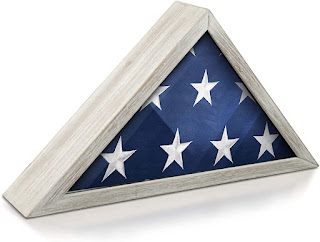
Do you typically use symbols to highlight the themes and tones of your work? What are the common ones (flags for dead military family members, boxed away wedding band for divorced/dear spouses, etc.) you find yourself using?

Gary Phillips: These are some deep questions to ponder. But definitely used some symbism in the new novel coming out. Set in '63, a Korean war vet turned crime photographer inherits a Speed Graphic in the war after the correspondent profiling his squad is killed in combat.

Ef Deal: Yes, I use the description of the settings to serve as symbols; the decaying elephant in the Place de la Bastille, the weather-tattered crepe-paper, the colors of the sky at dawn or dusk. I have a character my MC doesn't trust, and his eyes "gleamed in the gaslights of the Rue St. Jacques." The choice of words in a description conveys the entire tone of a scene: Is the sunrise golden or a glaring yellow? Is the sunset a gentle lilac or the lurid purple of a bruise? Do the masts of the moored ships reach into the sky, or do they claw the sky? Do they resemble a long-dead forest? There's so much that can be conveyed in these kinds of 

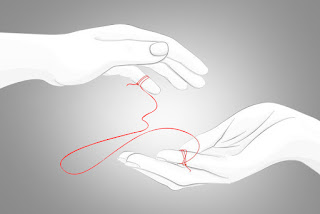
Maya Preisler: Yes, I absolutely use symbols to highlight the themes and tones in my work. I tend to use ravens and crows for connections to the underworld/afterlife and red threads for fate or destiny.

Elizabeth Donald: Sometimes the curtains are blue because that's what the writer saw when they looked out the window, and not because they were attempting some kind of existential philosophy about depression or deep water or bluebells which really mean Texas... That said, the best fiction is the fiction that makes you think and feel, and even changes your mind. You can't read a novel by Toni Morrison without considering what she is really saying about racism and classism in America, and exploring the meaning behind "blue eyes" in THE BLUEST EYE is a necessary part of understanding the novel. 

Nancy Hansen: Now and then I will give a character a name that in whatever language it's from means something representing the character's attitude or looks. Especially if the character is based on someone I don't like in real life. <EVIL GRIN> Most of the time, that's more for my sake than the readers. If they get it—great! Whatever goes into a story I write is there to add to the flavor and move the plot forward, so I'm not giving it a ton of thought.

Bobby Nash: I focus on things that are important to the characters so it’s different for each, but I do use common themes and tones per character.

If you tend to avoid symbolism in your work, why do you prefer not to use it? 

Elizabeth Donald: I still don't actively try for symbolism, to use an image or object to stand in for something else... but if I'm doing my job, if I'm using the language well and drawing on the reader's intelligence as well as emotion, then the symbolism will organically appear in the prose.

Nancy Hansen: I'm not avoiding using symbolism, it's just something I don't think too heavily about. Writing is kind of organic for me, I sit down and get ideas on a page, and then develop and refine them as I go along until the entire plot makes sense.

John French: Back in high school literature class, we had a long discussion about whether the writers and poets we were reading actually meant what we were reading into them. It ended with the teacher saying something like "We'll probably never know but, for the test, if I say it's bird imagery then it's bird imagery." 

Bobby Nash: I’m more of a straightforward kind of storyteller so I don’t spend a lot of time thinking about symbolism. It’s just not something I think about.

Maya Preisler: Doesn’t apply to me, but to answer your question in reverse, I prefer to use symbolism because that’s how my English teachers taught me to dissect the classics so it makes sense to build my written worlds with those same blocks.

Do you have other writers you consider the great masters of symbolic writing or tight plot-based writing? What makes their work so fantastic?

Nancy Hansen: This is tough for me because I am such an eclectic reader and so I delve into a variety of books and stories. I read for enjoyment and don't care too much to overanalyze what I'm reading. One of the things that ruined upper grade English classes for me was having to dissect books and look for deeper meanings. Sometimes a story is just supposed to be entertaining and maybe somewhat enlightening. I'm good with that.

Maya Preisler: Several classic writers come to mind (thank you high school English teachers): Shelly, Hurston, Fitzgerald, and Dickens being the first. By contrast, the realm of speculative fiction seems to be more plot driven, though some like Mercedes Lackey use both plot and symbolism to drive their stories. I find those to be most satisfying because I enjoy picking apart the threads of the tales and finding the hidden gems within them.

Ef Deal: Early French novels through the 20th century at least are all about the symbols, and I majored in French so I am spoiled by them. Gregory Frost and A.C. Wise use powerful similes and metaphors to enrich their works. Gregory Maguire, at his best, does the same, but I find his work hit-or-miss. Jane Yolen and CJ Cherryh weave symbols so eloquently into their plots, I come away breathless sometimes.

Tuesday, November 9, 2021

Mocha Memoirs Press Focus #10: Maya Preisler

This month I'm following up the previous series (eSpec Books) with a new one -- this time the amazing writers of Mocha Memoirs Press. Meet Maya Preisler! 

Tell us a bit about your latest work.

The Laws of Entanglement is a ghost story about love after death and how love teaches you about yourself. It’s Donnie Darko meets Practical Magic

What happened in your life that prompted you to become a writer?

Honestly, trauma. Writing has always been a form of escape; a safe place to explore myself, relationships, emotions… anything that I might feel nervous expressing in my waking life. 

What inspires you to write?

Life, usually. There have been definite moments that I’ve made note of and said, “This is going to be a story one day.”  

What are the themes and subjects you tend to revisit in your work?

The red string of fate, ravens and crows, love transcending death, returning from the dead, vengeance, empowerment, and transformation. 

What would be your dream project?

I’d love to write a short story for one of the Valdemar anthologies; it would be an honor to contribute to the world of Velgarth. Of course it would be a childhood dream come true to write for Star Wars. Otherwise, an epic Xianxia style fantasy series. 

What writers have influenced your style and technique?

Mercedes Lackey, Anne McCaffrey, Isaac Asimov, Anne Rice and Alice Hoffman. 

If you have any former project to do over to make it better, which one would it be, and what would you do?

Probably one of the fantasy novels I was writing in high school; The Children of Compromise. The concept of gods stealing each other’s children to raise as their own is still fascinating to me. Though I think this time I would delve into the intergenerational ramifications of colonization and the conflict of being a product of both sides; my protagonists wouldn’t be the children of Welsh deities stolen by the British ones, they would likely be the children of the Americas, Africa, India, and any place the British Empire once held hold. 

Where would you rank writing on the "Is it an art or it is a science continuum?" Why?

I would rank it on the art end of the continuum. As a visual artist, my best training in the language of symbols came from my high school English teachers. Whether you are creating static visual art, a time-based piece such as film, or a written piece — the level of complex thought and multi-layered communication is the same. Science is a method; a system for analyzing the world around us in ways we can all agree upon. Art is language; a form of communication of complex ideas.

What is the most difficult part of your artistic process?

Prioritizing creativity. I tend to place everything else in my world first. The drawback of being a professional creative is that my own personal projects tend to be pushed so far to the back burner that they fall off the stove and live underneath it with the dust bunnies. 

How do your writer friends help you become a better writer? Or do they not?

Peer pressure. For the longest time, I was under the delusion that I could either be a visual artist or a writer, but not both. Unfortunately, writing is contagious. Authors love to hang out together and goad each other to write and submit things. And the next thing you know you’re signing each other’s books. True story. 

What does literary success look like to you?

Having my own category of Fan-Fiction on AO3. At the point that people love your creation enough to want to play in their sandbox instead of their own, you’ve left a mark on the collective unconscious in a positive way. 

Any other upcoming projects you would like to plug?

I always have something brewing. Right now I’m working on an actual play Star Wars RP podcast as well as a sequel to and a parallel universe exploration of The Laws of Entanglement

For more information, visit:

www.mayarenee.com