It's a common start to a flame war online. Someone's favorite character, usually from an older work, is getting a new lease on life for modern readers. Great! Right? Only, it turns out not so great. Someone's favorite character isn't quite the same anymore.
He may have a new female sidekick. His ethic about killing may have changed. He began during Kuwait instead of WWII. Or the costume doesn't have the underwear on the outside anymore.
Whatever the reason, the old fans aren't happy.
But the studio/publisher doesn't seem to care. They have to, after all, "re-imagine" the character for today's audience of readers/movie-goers.
So this week, we're going to look at that process with the help of several writers who regularly have to make those choices as they bring commonly known characters to life in their tales of action and adventure.
Let's start off positive. When is tinkering with a character for the benefit of reaching a new audience a good thing?
Ron Fortier: When the character has been all but forgotten by everybody, including the old fans. Then it's time to try some re-imagining. But as long as there remains a viable, dedicated and loyal following of the character, one should take their feeling into consideration and then tone down any revisions.
Dan Jolley: I ran into this when I was working on the comic book re-launch of
Voltron for Devil's Due Productions. I watched
Voltron nigh-religiously as a kid and loved everything about it, but when it came time to do the comic book series, DDP sent me all of the old Voltron episodes, and I quickly discovered that they, to put it kindly, didn't quite hold up. Part of it was that I was watching them with the sensibilities of an adult, but perhaps a bigger part was that my memories of the show candy-coated it and glossed over its many, many, many flaws. I knew that if the comic was going to work, I'd have to make some changes to the property, some merely cosmetic, some right down to the premise. Because if I had simply translated the existing show to comic format, whether adapting the original stories or setting new stories in the same framework, the critical and commercial reception would have ranged from simply "negative" to "brutal." (The tutu-clad dancing mice in particular had to go.)
Ed Erdelac: When the character has fallen into obscurity to the degree that they're adventures are no longer available or are out of print. I can't count the number of times I've been delighted to hear of even the lamest of remakes because I know some profit-minded suit is gonna re-release the orignal material to try and cash in. I'm mercenary in that regard, but somebody will always do it. It's embarrassing to admit, but when Robert Blake went on trial I was ecstatic to pick up the first season of
Baretta on DVD.
Bill Cunningham: I think one only needs to look at the recent
X-Men: First Class and
The Dark Knight movies to see how reinvention can invigorate a character or series. In both instances the writers took a look at what worked before, what works for today's audiences and found a way to make it work. Specifically, in
X-Men the writers took the latter day Magneto/Xavier relationship and posited it from the start, creating a deeper emotional resonance to the onscreen action. In addition, they took the premise of the first
X-Men comic (Magneto steals missiles from the army base) and re-imagined it in light of both history (the Cuban Missile Crisis) and visual impact (Magneto is fired upon from multiple warships and must stop the missiles mid-air).
Selah Janel: When it’s done out of respect and love it’s fine.
Batman The Animated Series kept a lot of the themes that people loved about Batman and adapted them to work for an after-school audience. It gave Gotham a fantastic new look and turned many of the once-comedic villains into sympathetic and frightening characters. Plus for a cartoon it balanced out Bruce’s pain and burden very well. It worked because everyone working on it obviously cared about the details and the story.
Lee Houston Jr.: One thing you have to remember is that the need for revising, even just to stay "contemporary," is because most publishers never foresaw the markets lasting as long as they have, especially within the comic book industry. They originally thought there would be a change over every 10-15 years as one generation of audience was replaced by another. But the fans did remember and care. More important, they were also keeping an eye upon continuity, something the publishers and creators weren't because of the generation changeover theory.
Another thing that does not help is the passage of time. A lot of the adventures written in the past were contemporary when originally created, but are considered period pieces today.
When does it cross a line and become something, in a fan's eyes, worthy of derision?
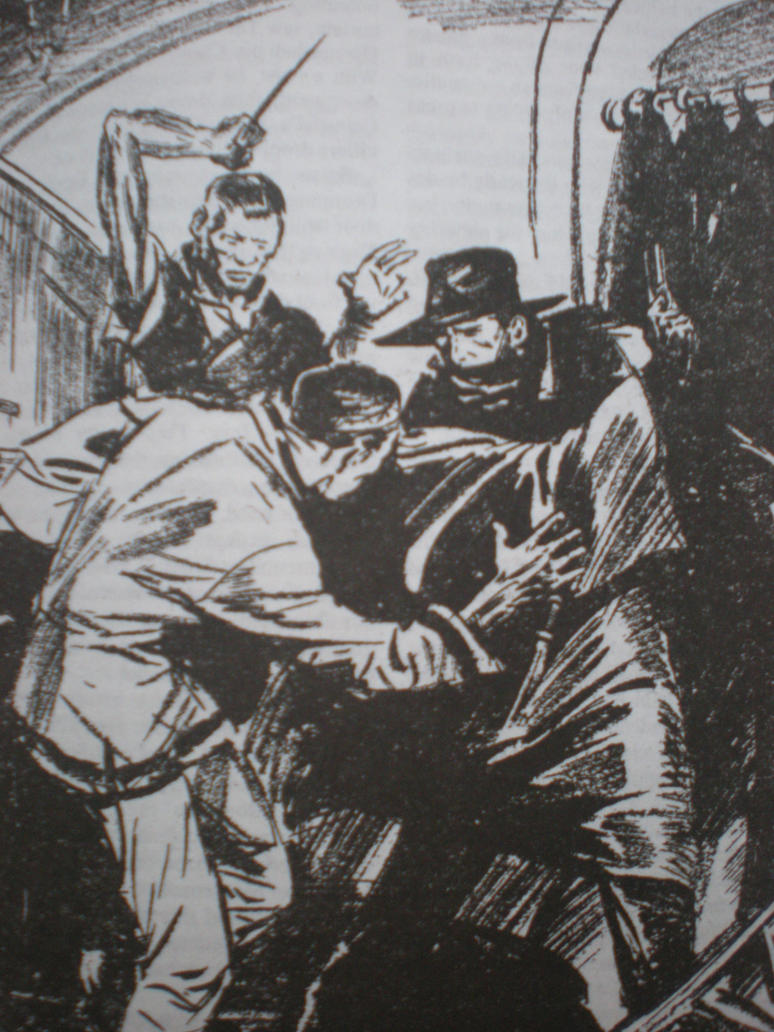
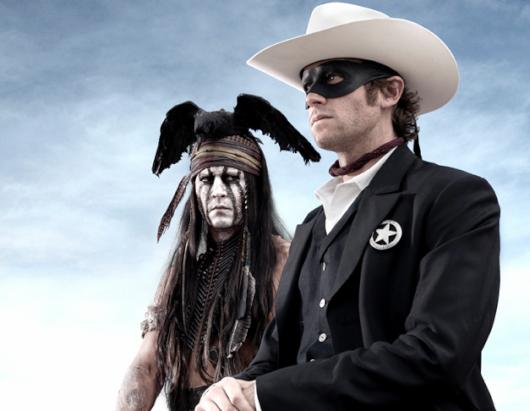
Ron Fortier: Easy. When you stop respecting the core essence of the character. The Green Hornet and Lone Ranger as original envisioned were serious heroes with a specific moral code. No matter how you shape their adventures to suit new audiences, the core essence can never change. Doing that basically changes the character to an entirely different character. That being the case, why not invent your own?
Dan Jolley: I would say it crosses the line when the re-launch shows no respect for the original property. There are right ways and wrong ways to re-launch something, and I got caught up in the wrong way when DC asked me to write the new
Firestorm book back in 2004 or so. After seeing the massive fan backlash regarding Green Lantern, I first wrote a pitch that treated the original Firestorm, Ronnie Raymond, with a great amount of respect and basically gave him a hero's send-off as the title transitioned to its new protagonist, Jason Rusch. That pitch was summarily rejected by DC brass. Part of it was that DC felt they had done everything they could possibly do with Ronnie Raymond at the time; in their eyes, he was a bankrupt character, and they just wanted to cut ties with him as fast as possible and move on. Another part of it was that DC decided Ronnie Raymond didn't have enough of a fan base to maintain the necessary amount of sales on a book, so he wasn't a viable option for the lead role no matter what we did with him. At the time, I was just thrilled to get a monthly book, and though I voiced my concerns, when they were flatly overruled I basically decided to get with the program and do what DC wanted me to do. I don't think my run on the book did the title any favors, honestly.

: When some integral component to the character's original appeal is compromised or abandoned entirely. Imagine Batman as an overweight woman with a machinegun or something (because hey, it'll reach a wider range of demographics!).
Bill Cunningham: When the new story or reimagined character doesn't make me care, doesn't involve me in the story, and simply spoonfeeds me spectacle over substance.
Selah Janel: What ticks me off is when reboots are obviously done for money. I mean I grew up in the eighties where everything was marketing – do people think we’re not going to figure it out? I’m tired of seeing everything that was special to me as a kid turned into a marketing machine that has no effort behind it. Those movies take the lowest common denominator from the source material and turn it into something that’s almost unrecognizable. It’s just arrogant.
Lost Boys: The Tribe forced onto fans what it thought they should want. The director didn’t even like the original movie! No effort was made to try to make a real sequel – most of the jokes and conflicts were recycled wholesale but sexed up and modernized with the assumption that no one could tell the difference. And we could all tell. Overall it’s a title that for the most part isn’t worth mentioning.
Lee Houston Jr.: Sure, you might need to start a series over from the origin point to explain who the hero is and why they do the things they do. For example, the original might have been a World War 2 veteran and the modern version might now have seen action in the Middle East. No problem there. But if the character was a decorated soldier in the past and is a buffoon lucky enough not to shoot his own foot today...
Why is it such a big deal? Shouldn't fans be happy simply that their favorites are being published again or are being brought to TV or to the big screens?
Ron Fortier: We all grow up with fictional heroes of one type or another, which do shape our lives and our world views. They do teach us about moral, doing the right things, being honorable, fair etc.etc. Heroes show us the right path to follow. When insensitive producers come along eager to make a fast buck by sensationalizing our heroes and altering them purposely for those gains, its pretty much attacking everything we grew up believing in. Cynical, Hollywood types have no moral compass as to how to be a hero. Their concern is only box office take and ratings and if the world is a darker, less decent place when they've torn down our heroes, they don't care. As Luke Skywalker said rather simply, "I care."
Dan Jolley: The inherent difficulty here -- some might say inherent impossibility -- is that fans THINK they want the same things they got when they were younger. As I mentioned before, most of the time our memories gloss over the faults of properties we loved. That's just a thing human brains do. It's very, very rare that something we loved as children, for instance, is as good as we remember; in fact, a work of fiction, no matter what medium, has to be basically perfect in order to give you the same experience both the first time you're exposed to it and then when you see it again 20 or 30 years later. (
Casablanca comes to mind as an exception to the rule. That movie is damn near flawless.) So, essentially, somebody who used to think
Knight Rider was the greatest show on television stands a good chance of being impossible to satisfy with a new version, because the
Knight Rider in his head is this idealized, fault-free version of the show that never actually existed. Maybe you can do a re-launch that captures the spirit of the original and is really spectacularly good and makes some people happy, but no matter how good your effort, there will be a group of fans out there who think what you're doing is shit compared with the original.
Ed Erdelac: I'm gonna use an example here that I know a lot of people are not gonna agree with. I hate the
Lord of The Rings movies. Loathe them. But I've always been enamored with the books. The feel of them, the whimsicality, the depth of the world and the emotional scope of the adventure are inimitable.
To me, the movies are like reading Cliff Notes. They're too fast, too loud, and packed with insipid dwarf jokes that take you right out of the world (Okay, not entirely like Cliff Notes).
I was as excited about
The Lord of The Rings movies as anybody. To me, they were going to be the new Star Wars. They had a director I respected (at the time), an amazing cast, and from the sneak peek photos, a great sense of the visual appeal of that world.
The Fellowship Of The Ring was the most disappointing experience I've ever had at a movie theater, bar none. I went away cussing. I hated it. I never even bothered with the second one (I recently tried to give it another shot, tuned in on TV in time to see Legolas surfing down a staircase on a shield shooting arrows and promptly turned it off), and I got dragged to the third one (which mellowed my dislike somewhat, but still had a lot of plain stupidity in it).

Now, the greatest crime to me wasn't that I'd wasted the price of the ticket, but that for all millions of kids who had never read Tolkien, the film series would be their first experience with it. It would lead them to the books, which was a good thing, yes, but the movies do not accurately convey the books. The pacing is all wrong. LOTR the movies are a nachos and cheese popcorn fueled D&D session full of Jon Woo style battles, wisecracking, kick-ass women and sweeping crane shots. LOTR the books are an epic, serious meditation on the change of war punctuated by moments of whimsy and slow heartbreak.
Now back when I said all this originally, I was written off as a purist who wanted to see Tom Bombadil and the barrow wights. It wasn't that. It was the books, man! I personally witnessed people who never attempted to read anything the sheer scope of LOTR in their lives pick up
Fellowship Of The Ring and put it down after only a few chapters, because for them, it was a bait and switch. The movies were not indicative of the writing or the characters or the world. No frat boy hobbits, no blubbering oafish dwarves, no black riders catching torches in their teeth. For them, it was a misrepresentation.
And that's the danger of 'reimagining' -- you misrepresent the original property and a lot of people who seek it out based on the new product are dissatisfied, and the rekindling flares out. Now I know this didn't happen with
Lord Of The Rings, that I'm in the minority. I accept that. But what about
The Green Hornet, or a limitless number of other characters who were not translated faithfully?
Bill Cunningham: It's a big deal because fans are voting with their money. They want to see you fulfill the promise that you are going to tell them a great story, and lead them to a place in their imagination that's worthwhile.
Selah Janel: It matters because usually it’s something that a fan/consumer associates with a part of their life that meant a great deal to them. Fandoms aren’t just things people like – usually there’s some sort of personal connection and meaning. And it’s just really arrogant to assume that you know better than other people or can “fix” a universe or something. Again – this usually comes from things being done for money and focusing on the lowest common denominator. When it’s done well it’s not usually much of an issue.
Lee Houston Jr.: Readers and viewers not only want to see their favorites continue, but want them to continue the way they remember, for that not only keeps the character "fresh", but vicariously helps the audience hold on to a piece of their youth too.
What role does the writer have in trying to find balance for both new and old audiences?
Ron Fortier: The writer has the important task of writing something that is true to the characters' essence, respects the old fan base and at the same time put a fresh spin that does contradict those elements and attracts a new audience of fans. It is no easy job, but again, dealing with respect and love for these classic characters is pretty much trying to be that hero yourself. Difficult, but when done right, so richly rewarding.
Dan Jolley: The most important part of the process for the writer, I would have to say, would be to identify the true spirit of the show, or the books, or the comics that you're re-launching. If you can pinpoint what the original work was really about, and then reproduce that in a new/modified/tweaked/overhauled format, that's probably your best chance of pleasing some of the original fanbase and finding success with new viewers/readers. I'd say J.J. Abrams is pretty good at that, since a lot of people liked his new
Star Trek movie, which comes equipped with one of the planet's most dedicated fanbases. That being said, and at the risk of dating this article, I will guaran-freaking-tee you that when Tim Burton's new version of
Dark Shadows comes out, there will be a group of die-hard original series fans out there who think it's utter garbage.
Ed Erdelac: The writer is the interpreter, trying to broker peace between two warring factions. He's the guy that offers the compromise that will either spare the land (the character) or destroy it. He has to reward the loyalty of the lifetime fans (because if he doesn't, he risks their ire, which could result in extremely negative word of mouth) and yet try to provide enough crossover appeal to bring in new consumers for the suits. It's a delicate balance and it doesn't often work.
Bill Cunningham: The writer must first understand that he has a responsibility to understand the core concept of the character he is seeking to update. By misunderstanding or neglecting the core concept, the character will not make sense, period. The writer must seek to care about his characters and make them whole people who have a valid reason (within the context of the story) for doing what they do. That is the engine that drives their character to do the things they do.
The writer must also understand context. How does a character from the 1930's work for today's audience without sacrificing the engine that makes the character unique and whole. For example, the recent
Green Hornet movie neglected the entire engine of the character in service to the jokes.
Selah Janel: The writer has a huge job trying to bridge the gap between old and new. They have to give an audience some aspect of a series or character they haven’t seen but keep enough of what’s loved of the original in or else the story/universe becomes something else. I could see where that would mean keeping in stuff they may not care for personally if it’s in the best interest of the universe/series. In a sense you’re trying to remodel someone’s home. You’re in a place you didn’t build and you want to make it work better or give it an updated/sleeker look – but you can’t totally start from scratch because it’s not your house. You aren’t the one that ultimately is going to be living there.
Lee Houston Jr.: The most important thing when writing or revising an established character is to remember what made that character special and unique to begin with, and not treat the property as either a potential cash cow or fodder for a comedic romp.
=======================================================================
To follow the works of these fine creators who took part in this roundtable, simply look for their links on the list of Heavy Hitters on the right side of this page.


 You'll also note this time was the rise in paranoia over communism and the potential annihilation of everyone on the planet via nuclear weaponry. We understood the sword of Damocles we had hung above our own heads.